
 KOR
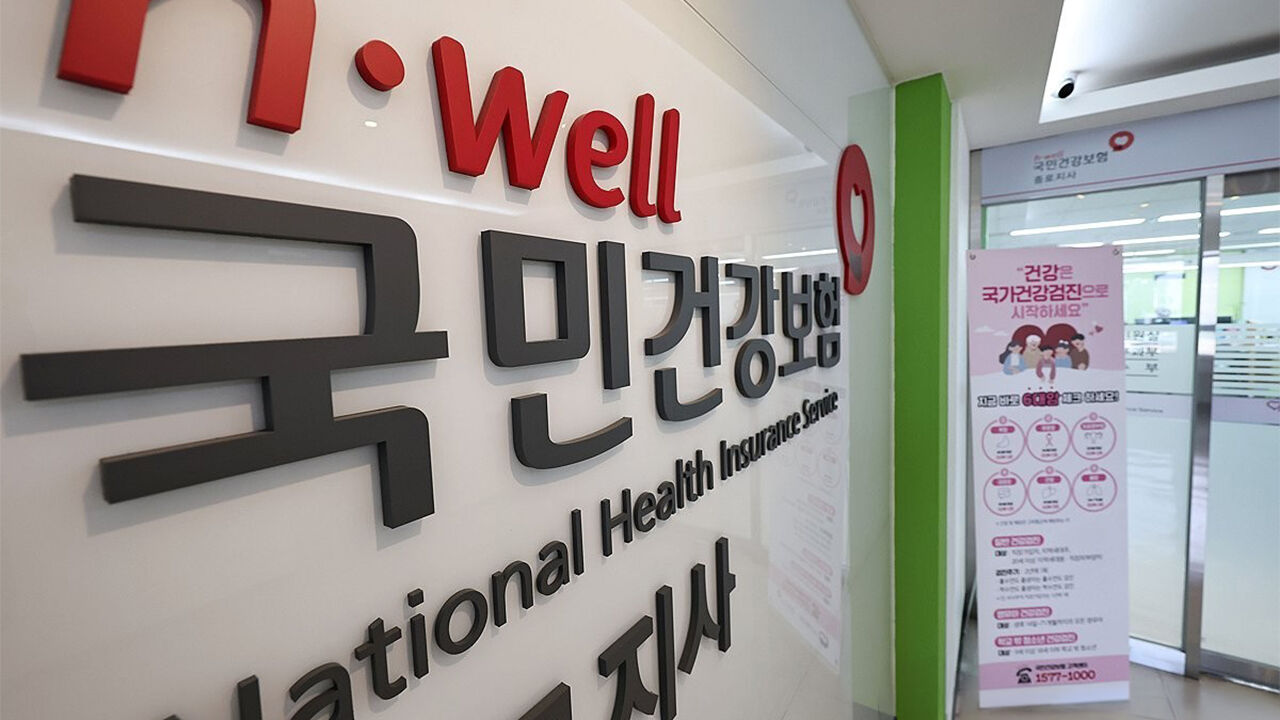
▲ National Health Insurance Service
Authorities are considering measures to levy health insurance premiums on separately taxed incomes—such as daily worker income and certain financial and pension incomes—which have been subject to taxes but excluded from health insurance premium calculations.
This move aims to resolve equity issues, as health insurance premiums have traditionally been levied on office workers' monthly salaries and self-employed individuals' business earnings while certain separately taxed incomes were exempted.
According to the Major Business Implementation Status data submitted by the National Health Insurance Service (NHIS) to the National Assembly's Health and Welfare Committee for the parliamentary audit, the agency officially reported the pursuit of "imposing insurance premiums on unassessed (separately taxed) income" as a core task to enhance the fairness and equity of premium burdens.
Under tax laws, separately taxed income is not added to comprehensive income, and the tax obligation is concluded through withholding.
Currently, the NHIS only selectively levies health insurance premiums on limited categories, such as separately taxed rental income or financial income exceeding 10 million won per year, leaving the vast majority of separately taxed income in institutional blind spots.
A representative item pointed out as a blind spot is "daily worker income."
Under the Income Tax Act, daily worker income is subject to a tax withholding at the lowest rate of 6% after deducting 150,000 won per day.
Although monthly income statements are submitted to the National Tax Service and tracked, this income has been completely omitted from the criteria for calculating local health insurance premiums.
Consequently, irrationalities have persisted where high-earning daily workers, who move across multiple work sites and make tens of millions of won annually, register as "dependents" under family members' health insurance plans and pay not a single penny in health insurance premiums.
Gaps in the asset and financial sectors also remain.
Profits from policy-driven special financial products—such as separately taxed high-yield fund dividends and excess earnings from Individual Savings Accounts (ISAs) that are tax-exempt under the Restriction of Special Taxation Act—have been exempted from health insurance premiums due to a lack of taxation data and legal grounds.
In addition, private pensions of 15 million won or less per year and separately taxed other income of 3 million won or less per case also remain outside the health insurance premium imposition network.
The NHIS views that leaving such tax-exempt, reduced, and separately taxed incomes unaddressed undermines the principle of "income-based imposition."
Accordingly, the NHIS is carefully reviewing phased plans to incorporate all separately taxed labor and asset incomes of individuals with the actual ability to pay taxes into the health insurance premium imposition system, aiming to secure fairness with the earned income of wage workers and ensure the financial soundness of the National Health Insurance.
(Photo: Yonhap News)
※ Please note: This article was translated by AI and may contain errors.

 Video News
 Video News
 Video News
 Video News
 Video News