Will U.S. Midterms Shake South Korea's Wallet? The Reality of the Bill Awaiting Right After the Election [Reporter's Notebook]
Lee HanseokSeoul
Published2026.11.02 11:15ViewView Count
The U.S. Midterms Are Not Someone Else's Problem
The midterm elections, which will renew more than a third of the U.S. Senate and all 435 members of the House of Representatives, are now just around the corner. In this election that will determine the future power of the United States, the biggest battleground is whether the Republican Party, which currently holds both the White House and both houses of Congress, will retain its congressional power, or if the opposition Democratic Party will recapture the House and apply a powerful brake. However, this fight is by no means someone else's problem across the ocean. This is because it could fundamentally shake our export companies, the wallets of our citizens, and even the security landscape of the Korean Peninsula. The place facing the most immediate threat is our export companies. Korean companies have poured tens of trillions of won into the United States, building semiconductor, electric vehicle, and battery factories one after another.
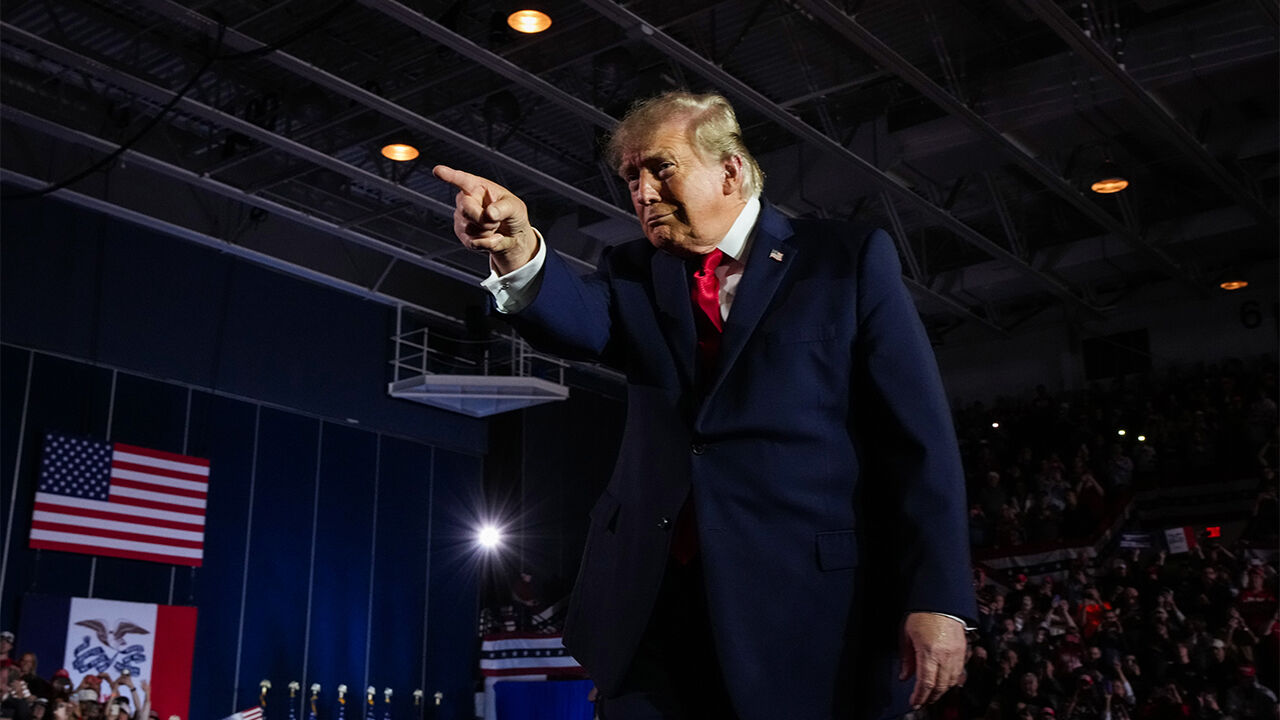
[Donald Trump / U.S. President: In addition to the 50 billion dollars South Korea has already promised for the Alaska project, Taiwan is also planning to invest 4.4 billion dollars.]
However, the White House's America First policy and tariff pressure cards continue to squeeze our companies. Whether our companies can breathe a sigh of relief depends on the outcome of this election.
If the Democratic Party takes control of the House, it can put strong political brakes on the administration's unilateral tariff blitz through hearings and budget deliberations. Conversely, what happens if the Republican Party succeeds in defending both houses of Congress? Trade pressure demanding "build more factories and create more U.S. jobs" will inevitably become much fiercer.
Directly Connected to Our Wallets?
The second issue is directly related to your wallets. These days, the dollar exchange rate and U.S. Treasury yields are fluctuating day by day. Not only retail investors who have poured over 100 trillion won into U.S. stocks, but also domestic stock market investors are suffering. Looking at past elections, once the midterm elections are over, market uncertainty has generally subsided to some extent. If the opposition Democratic Party wins the House, creating a divided government where the opposition controls the legislature, it will become difficult for the administration to recklessly borrow money to spend or push for tax cuts. In that case, sovereign bond issuance would decrease, likely giving soaring interest rates and the dollar exchange rate some breathing room. Conversely, if the Republican Party continues to monopolize Congress, policy drives accepting fiscal deficits could continue, prolonging the tunnel of high interest rates and high exchange rates.
What About the "Defense Cost Bill"?
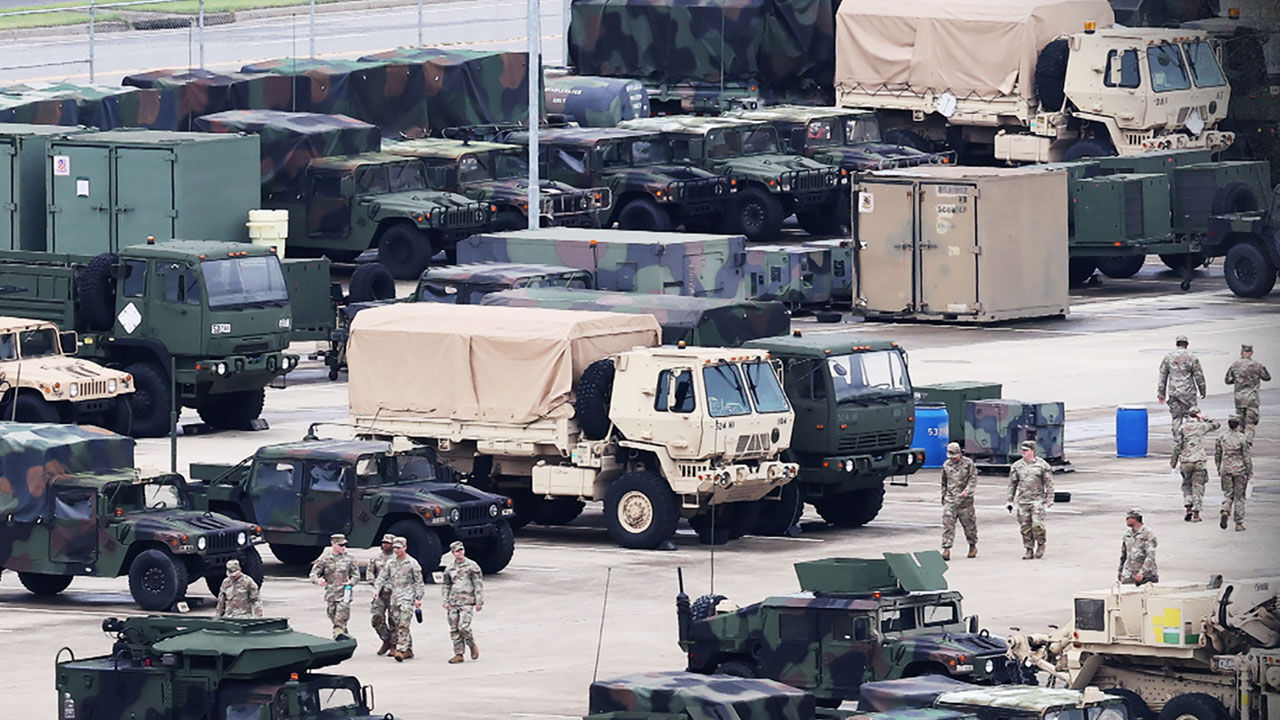
The final issue involving security and money is the "defense cost-sharing bill." Everyone is well aware of the Trump-style transactional alliance stance. The prevailing outlook is that immediately after the election, pressure to drastically raise the cost of stationing U.S. forces in South Korea will intensify. The safety valve in this situation is the U.S. Congress. During the first Trump administration, Congress set a precedent by blocking arbitrary reductions of U.S. Forces Korea through the National Defense Authorization Act. This is why it is crucial how strongly politicians who value the traditional South Korea-U.S. alliance hold their ground in Congress. Only then can they block the White House's unreasonable demands to extort defense costs using U.S.FK reductions as leverage.
Republicans vs. Democrats: No Matter Who Wins
Judging by grassroots sentiments in the U.S. ahead of the election, the opposition Democratic Party is widely projected to likely regain a majority in the House. On the other hand, a razor-thin ultra-tight race with a 1 to 2 percentage point margin is unfolding in 5 to 6 battleground Senate states. This walking-on-ice competition continues where the majority party could flip by just 1 or 2 seats. As moderate voters, infuriated by soaring inflation and cumulative living cost burdens, sway violently, the Republican Party is also fighting tooth and nail to defend its final line of defense. Of course, whichever side wins, one thing is clear: the huge and fierce wave of America First will not be easily broken. Ultimately, from the very moment the election ends, we must thoroughly delve into the newly configured congressional power topography. It is a time when meticulous and smart diplomacy toward the U.S. by our government and companies is more desperate than ever.
※ Please note: This article was translated by AI and may contain errors.

 KOR


 Video News
 Video News
 Video News
 Video News
 Video News