
 KOR
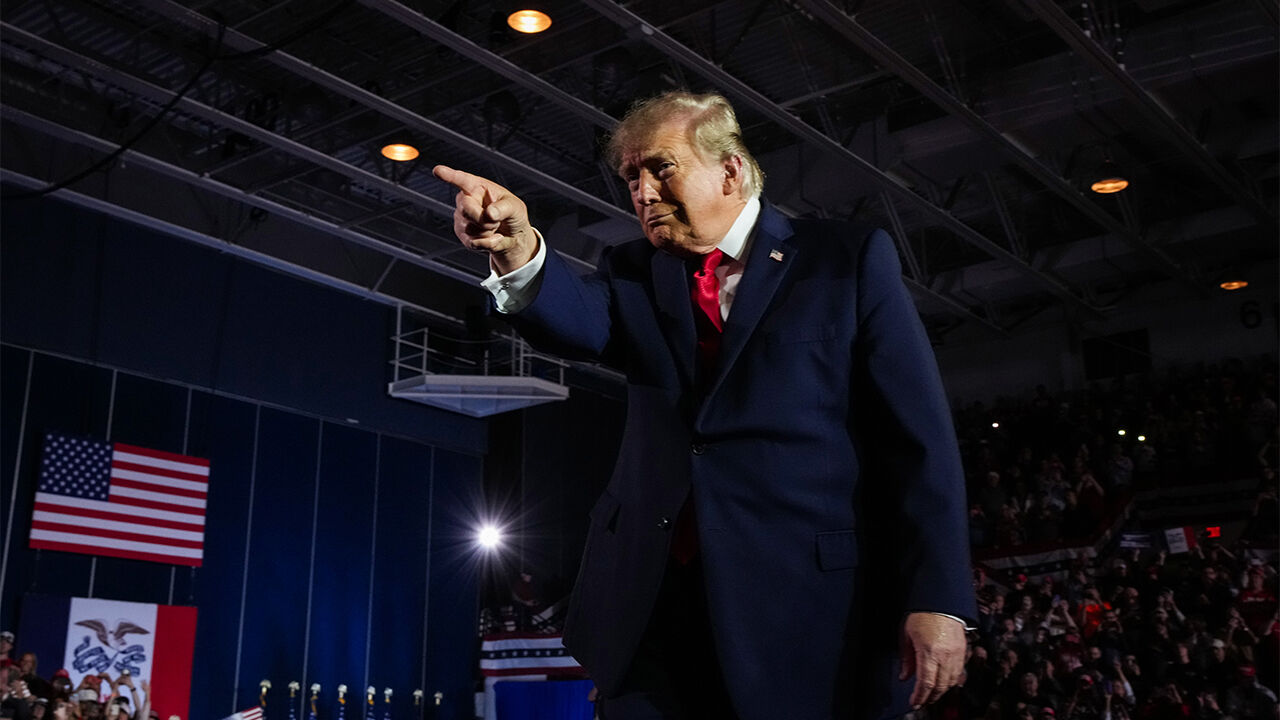
▲ U.S. President Donald Trump campaigns for the midterm elections at the Five Flags Center in Dubuque, Iowa, on November 1 (local time).
U.S. President Donald Trump stated on November 1 (local time) that the United States is "very close" to reaching a trade agreement with Canada.
Speaking to reporters upon arriving at a campaign rally in Iowa, President Trump said, "We have outlined a very good agreement with Canada."
Mentioning that he spoke by phone with Canadian Prime Minister Justin Carney the previous day, he emphasized that if an agreement is reached, "it will be great for our farmers, great for our country, and fine for Canada as well."
Earlier in the day, Prime Minister Carney also took to social media platform X to confirm his call with President Trump, stating that both countries have continued "constructive discussions" regarding the framework of a trade agreement.
Prime Minister Carney explained that the conversation was a continuation of recent negotiations aimed at discussing a mutually beneficial trade framework to create jobs, ease the cost of living, and protect Canada's language, culture, and sovereignty.
He added, "Our negotiating teams will work to achieve these outcomes over the coming weeks."
President Trump also mentioned that the negotiations include the Keystone XL pipeline project, which transports Canadian crude oil to the United States, explaining that the Canadian side will bear the construction costs.
The project was previously halted in 2021 when the Biden administration revoked its cross-border permit citing environmental concerns.
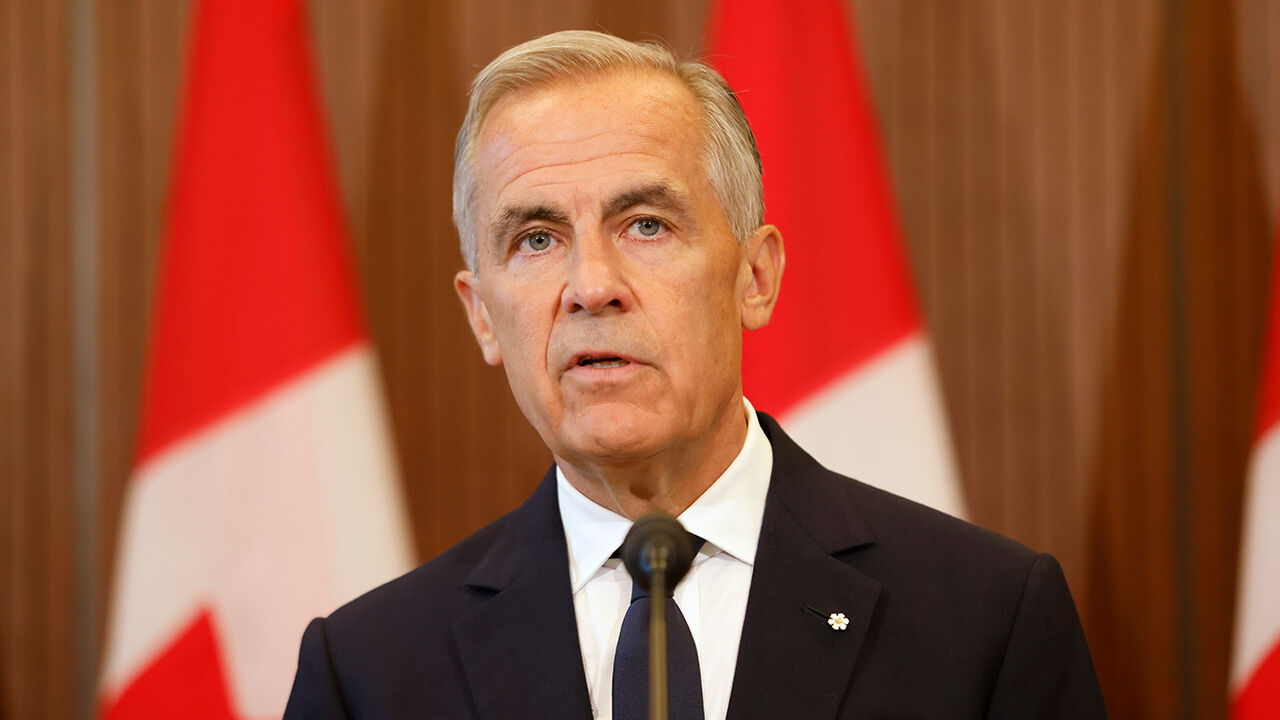
However, the Canadian Prime Minister's Office did not immediately issue a statement regarding this.
The United States and Canada have engaged in trade tensions over recent months, slapping billions of dollars in tariffs on each other.
While discussions are underway regarding potential U.S. tariff relief on Canadian steel and automobiles, specific details of an agreement have not been announced.
The remarks came two days ahead of the U.S. midterm elections, with the tariff dispute with Canada emerging as a key campaign issue in northern border states such as Michigan and Maine.
Daniel Béland, a professor at McGill University, analyzed recent U.S. moves to adjust tariffs as "the result of recognizing the political toll of a trade war in border regions."
Robert Bothwell, a historian at the University of Toronto, compared the atmosphere of improving bilateral relations to "a brief sunny spell before the rain returns," pointing out that progress in negotiations should not be overly anticipated.
(Photo: Getty Images, AP, Yonhap News)
※ Please note: This article was translated by AI and may contain errors.


 Video News
 Video News
 Video News
 Video News
 Video News