
 KOR
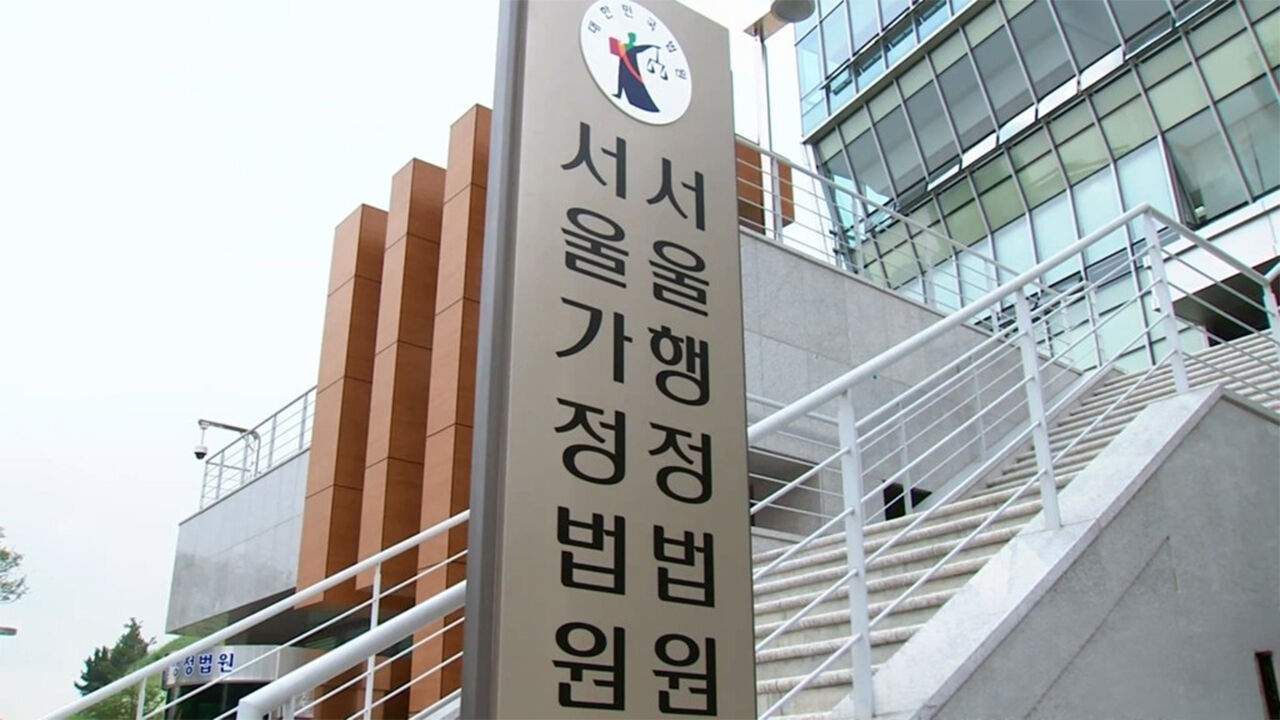
▲ Seoul Family Court and Seoul Administrative Court
A court has ruled that telling a subordinate employee who was trying to use annual leave, "Have your husband watch the child," constitutes workplace bullying.
The 12th Administrative Division of the Seoul Administrative Court (Presiding Judge Kang Jae-won) recently ruled against the plaintiff, A, in a lawsuit filed against the head of a district office in Seoul to cancel a disciplinary pay cut.
A filed an appeal lawsuit after receiving a disciplinary pay cut for workplace bullying while working at the district office.
It was revealed that while receiving a work report, A told a subordinate, "Don't try to explain it to me," and pointed out to an employee with no attendance issues by saying, "You came in late, what time did you arrive?"
In addition, A made remarks that put pressure on employees multiple times, such as telling an employee who wanted to take annual leave to care for a child, "Have your husband watch (the child)."
A claimed that the disciplinary action was unfair, arguing, "These were remarks made in the process of demanding corrections for a subordinate's repeated failure to follow instructions and negligence in work management as a department head, and they were merely at the level of ordinary conversation."
However, the court judged that each of A's remarks constituted workplace bullying.
Specifically, the court pointed out, "The remark 'Don't try to explain it to me' was not a work instruction, but rather a reprimand of the employee's attitude and a blocking of reports or explanations, which exceeded the appropriate scope of work," adding, "It is likely that this created undue pressure on the counterpart and constricted the working environment."
It also interpreted that "the remark 'You came in late' was not an issue raised about the employee's tardiness or attendance, but rather appeared to be a remark expecting the employee to arrive before the general reporting time."
The court further noted, "The remark to have the husband watch the child made it difficult to use legitimate annual leave and was an instruction regarding personal life rather than work."
The bench judged that the level of discipline was also appropriate, stating, "Considering the importance of the public interest in preventing workplace bullying and establishing discipline in the public service society, the pay cut cannot be considered excessive compared to A's misconduct."
(Photo: Yonhap News)
※ Please note: This article was translated by AI and may contain errors.


 Video News
 Video News
 Video News
 Video News
 Video News