
 KOR
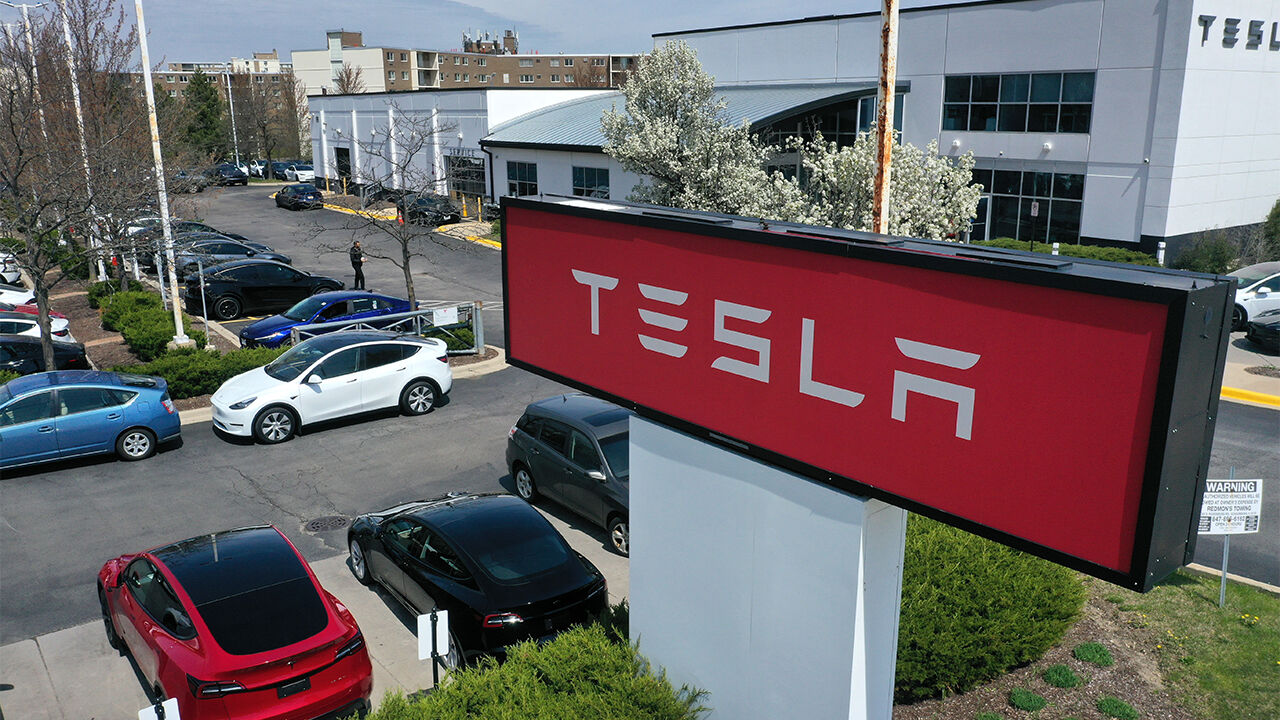
▲ Tesla
A court has ruled in favor of Tesla in a lawsuit filed by vehicle owners seeking a refund after purchasing the Full Self-Driving (FSD) option, claiming the feature was not properly implemented.
The 30th Civil Division of the Seoul Central District Court (Presiding Judge Kim Seok-beom) ruled against the plaintiffs today (October 29) in a purchase price refund lawsuit filed by 89 Tesla owners against Tesla Korea Ltd.
The plaintiffs, who purchased Tesla vehicles equipped with the FSD option between 2019 and 2022, filed a lawsuit in December 2024 demanding contract cancellation and refunds, claiming that the feature had not been implemented even after several years, thereby violating the obligation to provide the option.
However, the court did not accept any of the owners' claims.
First, the court judged that the FSD function purchased by the owners does not mean "Level 5" fully automated driving, which allows a vehicle to drive without a driver.
The court explained, "The FSD option purchase contract is an uncertain-term contract stipulating that the relevant functions will be provided when regulatory approval and technological advancement are achieved," adding, "This refers to partial automation requiring driver intervention, which includes basic Autopilot (AP) features such as lane keeping, along with Enhanced Autopilot (EAP) features like Summon and Autopark."
The court thus determined that it cannot be concluded that Tesla's performance of the contract has become impossible simply because Level 5 autonomous driving features have not yet been provided.
Furthermore, the court pointed out, "The FSD option purchased by the plaintiffs means that it is applicable to the vehicle hardware 'HW 3.0'," and "it cannot be considered a failure of performance regarding the purchased option just because they did not receive the exact same version of the FSD option features implemented on 'HW 4.0'."
The court also stated, "When purchasing the FSD option, the plaintiffs were already provided with AP and EAP functions, and they purchased the option while factoring in that it could take a considerable amount of time for additional functions to be released," adding, "Even if the provision of functions was delayed, it was to comply with domestic and international regulations and related laws, so Tesla cannot be held responsible."
Citing the fact that the owners have already been provided with some functions and remain in a position to receive additional functions to be developed in the future, the court also did not recognize Tesla's warranty liability for defects.
(Photo: Getty Images)
※ Please note: This article was translated by AI and may contain errors.


 Video News
 Video News
 Video News
 Video News
 Video News