
 KOR
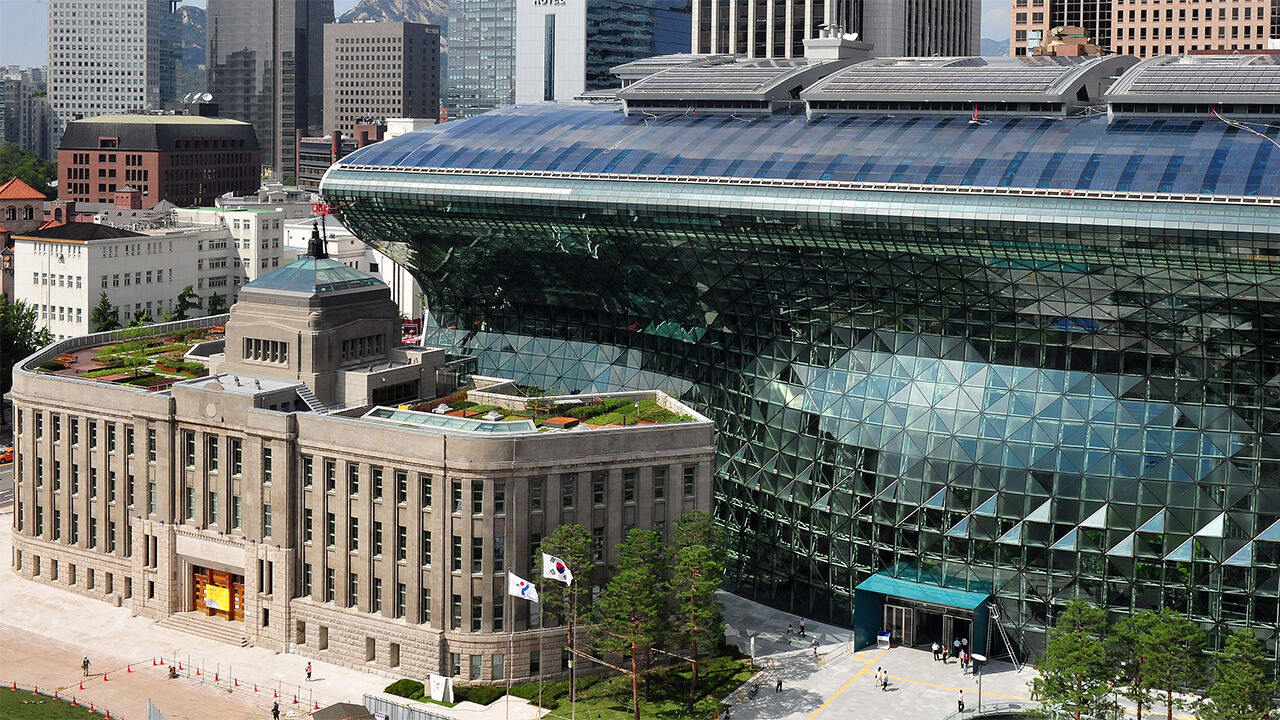
▲ Seoul City Hall
The Seoul Metropolitan Government has proposed a budget of 55.7 trillion won for next year, representing an 8.3% increase from this year.
The city plans to heavily invest in youth support and housing stability, including providing generative AI access passes to 500,000 young people and supplying approximately 27,000 public rental housing units.
Seoul Mayor Oh Se-hoon held a press briefing at City Hall today (the 29th) and announced the 2027 budget bill totaling 55.7445 trillion won.
This marks an increase of 4.2667 trillion won, or 8.3%, compared to this year.
The most prominent project is the "Youth AI Growth Pass."
Seoul plans to inject 26.6 billion won to provide 500,000 young people with generative AI access passes and customized training tailored to their skill levels.
The initiative aims to prevent disparities in AI utilization skills from leading to gaps in employment and income.
Last month, about 5.6 billion won related to this project was entirely cut during the Seoul Metropolitan Council's deliberation on the supplementary budget.
Seoul has revised the project plan and reflected it once again in the main budget for next year.
The city also plans to invest 46 billion won in the Seoul Tech Academy to foster 4,500 AI talents.
Housing supply and housing cost support will also be expanded.
A total of 1.1228 trillion won will be funneled into supplying 27,200 public rental housing units.
The city will also newly supply 500 units of "Seoul-style Saessak One-room" apartments for university students.
The number of beneficiaries for youth monthly rent support will increase from 23,000 this year to 32,000 next year.
Up to 200,000 won per month will be provided to homeless young people, with 126.2 billion won allocated for related budgetary needs.
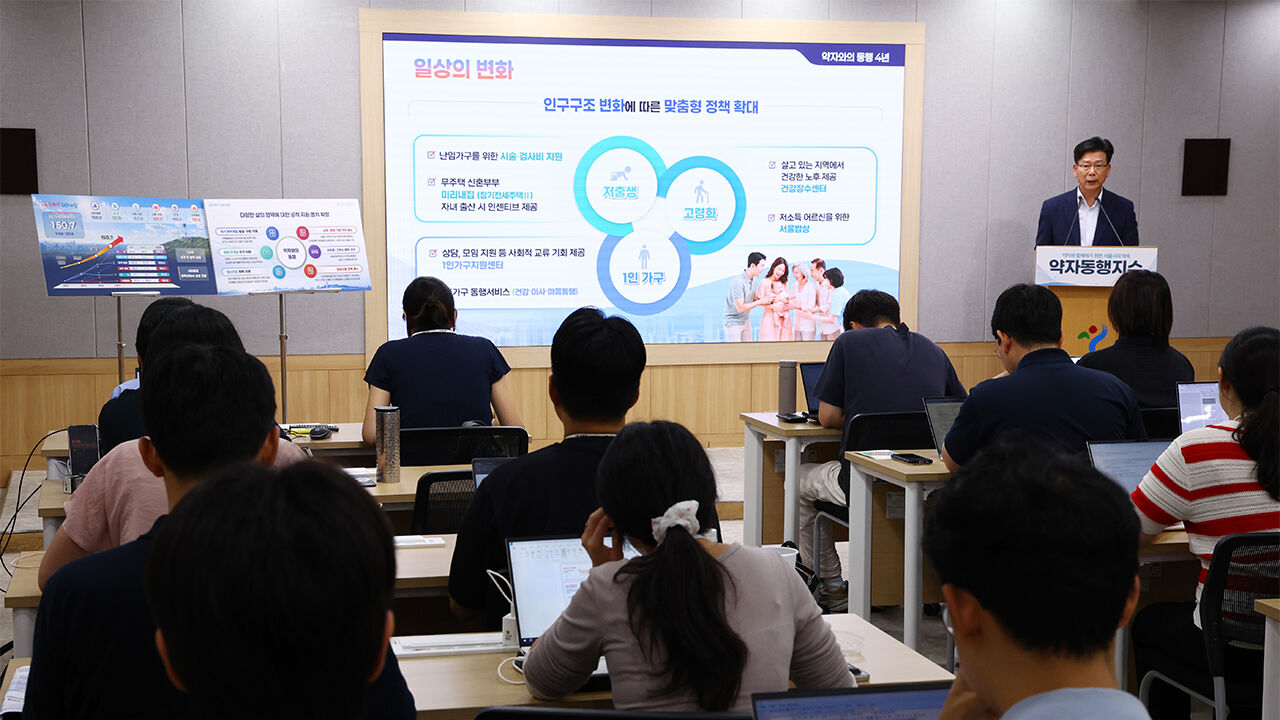
The budget for Mayor Oh's core policy, "Accompaniment with the Vulnerable," stands at 17.6892 trillion won, up 13.1% from this year.
The city will expand livelihood, medical, and education benefits as well as public job support, while newly introducing the "Seoul-style Stuck-in-the-Middle Generation Pension" for middle-aged residents nearing retirement.
Projects to vitalize the nighttime economy will also be pursued in earnest.
The city will additionally create 10 "Moonlight Yanjang" zones where people can enjoy night food and culture, while also injecting budget into improving nighttime scenery along the Han River and operating the DDP permanent light show.
In the field of citizen health and safety, the "Wrist Doctor 9988" project will be expanded to cover metabolic syndrome, dementia, and smoking cessation management.
The city has allocated 236.2 billion won for deep underground rainwater drainage tunnel projects in areas such as Gangnam Station and Gwanghwamun.
Plans are also in place to inject 747.8 billion won into the Climate Companion Card to lower the burden of public transportation costs.
However, Seoul's mandatory financial burden is growing due to the expansion of government welfare programs and other factors.
Seoul explained that the city budget burden resulting from national subsidy projects will increase by 1.17 trillion won next year.
At the same time, the city stated that it will maintain the debt balance at the end of next year at around 11.5690 trillion won, similar to this year's level.
This budget bill will be submitted to the Seoul Metropolitan Council tomorrow (the 30th).
Currently, the Democratic Party holds 80 out of the 118 total seats in the city council, making it a key point of interest how much budget for Mayor Oh's flagship projects—such as the Youth AI Growth Pass, which was cut once before—will be reflected during the deliberation process.
(Photo: Provided by Seoul Metropolitan Government, Yonhap News)
※ Please note: This article was translated by AI and may contain errors.


 Video News
 Video News
 Video News
 Video News
 Video News