
 KOR
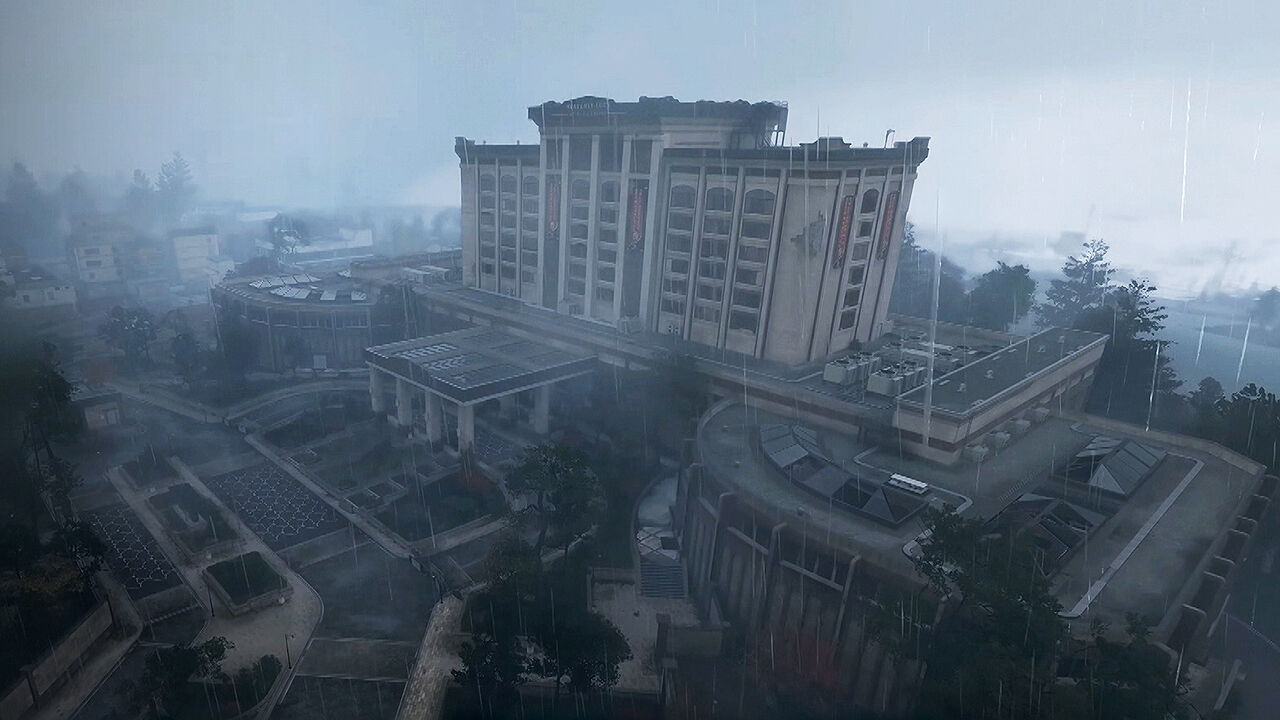
A Franchise That Sparks Controversy with Every New Release
In the 2019 reboot of the original Modern Warfare series, there was strong backlash from Russia, which was portrayed as the villainous nation. The depiction of a Russian general as a villain slaughtering civilians became a major controversy. Within Russia, sales of the game were suspended and its release was rejected.
There is also the case of "Six Days in Fallujah," released in 2023. It recreated the 2004 Battle of Fallujah in Iraq and faced intense pushback during its development from Iraq War veterans and families of fallen soldiers.
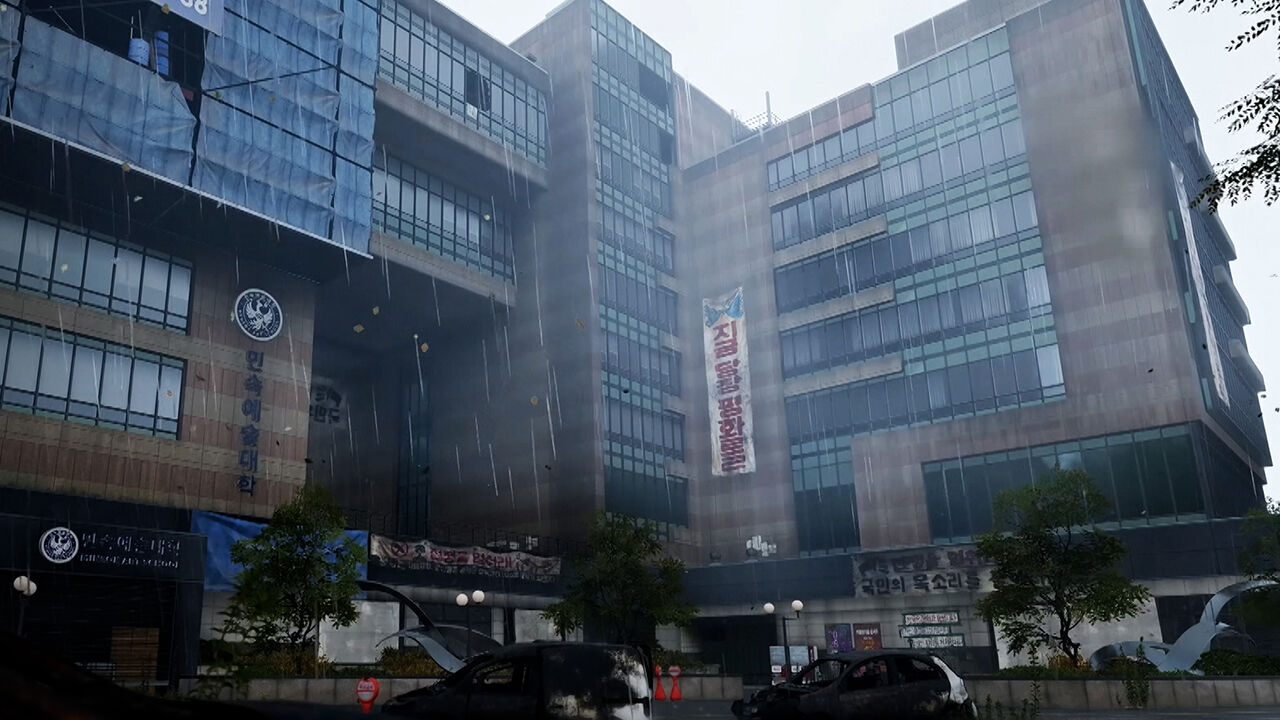
Arguments For and Against Gamifying War on the Korean Peninsula
① Freedom of Creation and Expression
Proponents argue that video games, like movies, literature, and television dramas, are a narrative art form whose creative autonomy must be guaranteed. They point out that making certain subjects taboo due to real-world constraints or political reasons risks creating cultural sacred cows and leading to absolute censorship. In contrast, opponents counter that given the division of the Korean Peninsula under an armistice, consuming an issue directly tied to national survival as mere commercial entertainment for thrills carries too heavy an ethical burden.
② Security Perspectives and Perception of Reality
Those in favor explain that it can raise public awareness regarding North Korea's actual military threat and the possibility of asymmetric provocations. They argue it serves as an opportunity to reaffirm the importance of security and a practical defense posture that might be overshadowed by peace discourse. On the other hand, opponents point out that the horrors of war, civilian casualties, and the collapse of social infrastructure are downplayed, while the thrill of military operations and win-or-lose logic are highlighted, thus distorting the gravity of reality.
③ Audience Perception and Characteristics of the Medium
Audiences, including gamers, say they possess the media literacy to clearly distinguish virtual narratives from real-world politics. They argue that fears over game content influencing perceptions of reality are unfounded, questioning whether there is any evidence that people who play games are more prone to violence. Conversely, some argue that because the game belongs to an immersive genre like first-person shooters, it should be approached with greater sensitivity. Since players directly carry out shooting and military operations, they are more likely to become desensitized to violence and war compared to consumers of other media. Critics argue that even if shooting game enthusiasts do not go shooting people in the streets, there is a high likelihood of becoming desensitized to the dangers of firearms and the necessity of regulations.
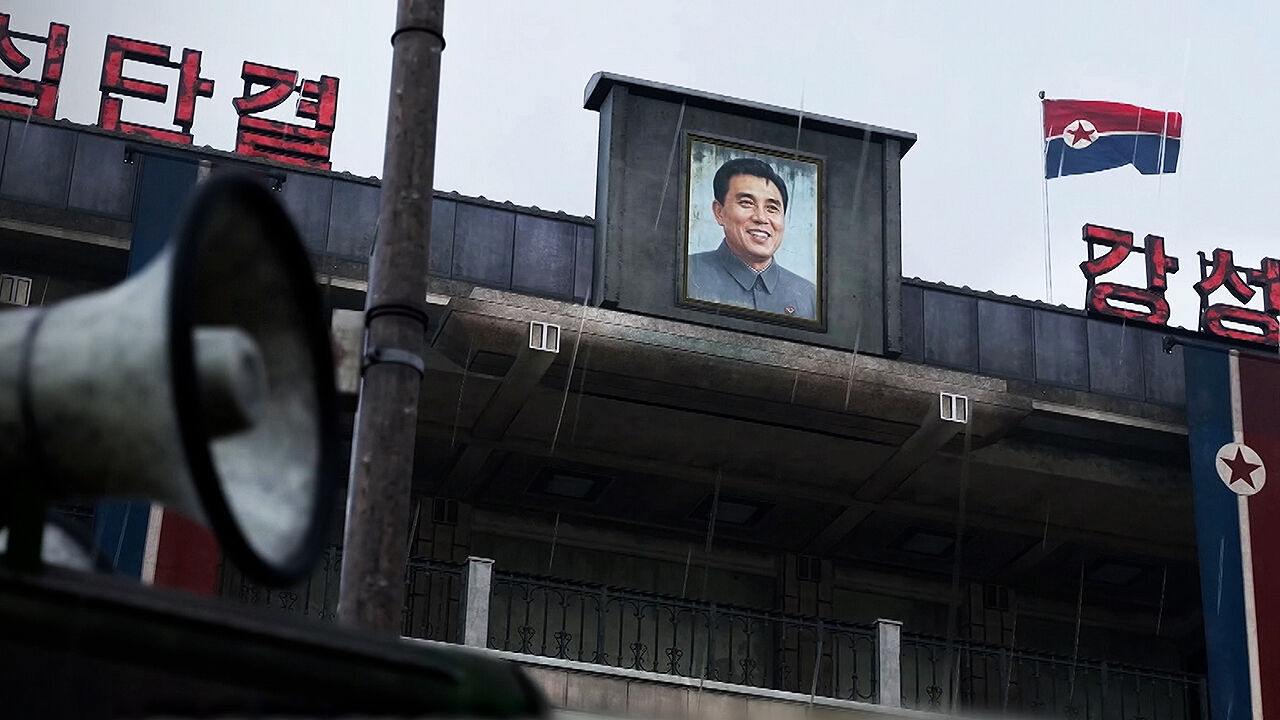
Potential Impact on Heightened Military Tensions
① Amplification of Social Anxiety or Security Fatigue
When news of real-world military provocations overlaps with the visual stimulation of a virtual war scenario, it can excessively trigger psychological stress and a sense of crisis regarding an "actual conflict" among the general public. Conversely, in a society where tension has become normalized, a paradoxical desensitization could occur where even real crises are perceived unrealistically as "events in a game." Neither outcome represents a healthy psychological state.
② Polarization of Public Opinion and Intensification of Ideological Conflict
Surrounding the acceptance or regulation of the game, hardline stances against North Korea intertwined with "freedom of expression rights" are sharply clashing with calls for regulation based on "pacifist tension reduction." The realm of cultural consumption is escalating into a battleground for political partisan conflict. In fact, arguments calling for regulations on the release or distribution of the game are attacked as "being overly cautious of North Korea." Some opposition lawmakers have even referred to this game as if it were security educational material and recommended that the president play it. The debate over the appropriateness of the game's content has effectively devolved into a wasteful dispute over grand strategies toward North Korea.
③ Support for Deterrence Against North Korea and Formation of Hardline Public Opinion
Depictions of military responses such as precision strikes or decapitation operations could bolster hardline public opinion that favors military pressure and strikes at the origin over dialogue or negotiations during an actual crisis. This could positively impact military morale or the strengthening of deterrence. However, it could also serve as a factor that restricts policy flexibility when managing crises or seeking diplomatic exits.
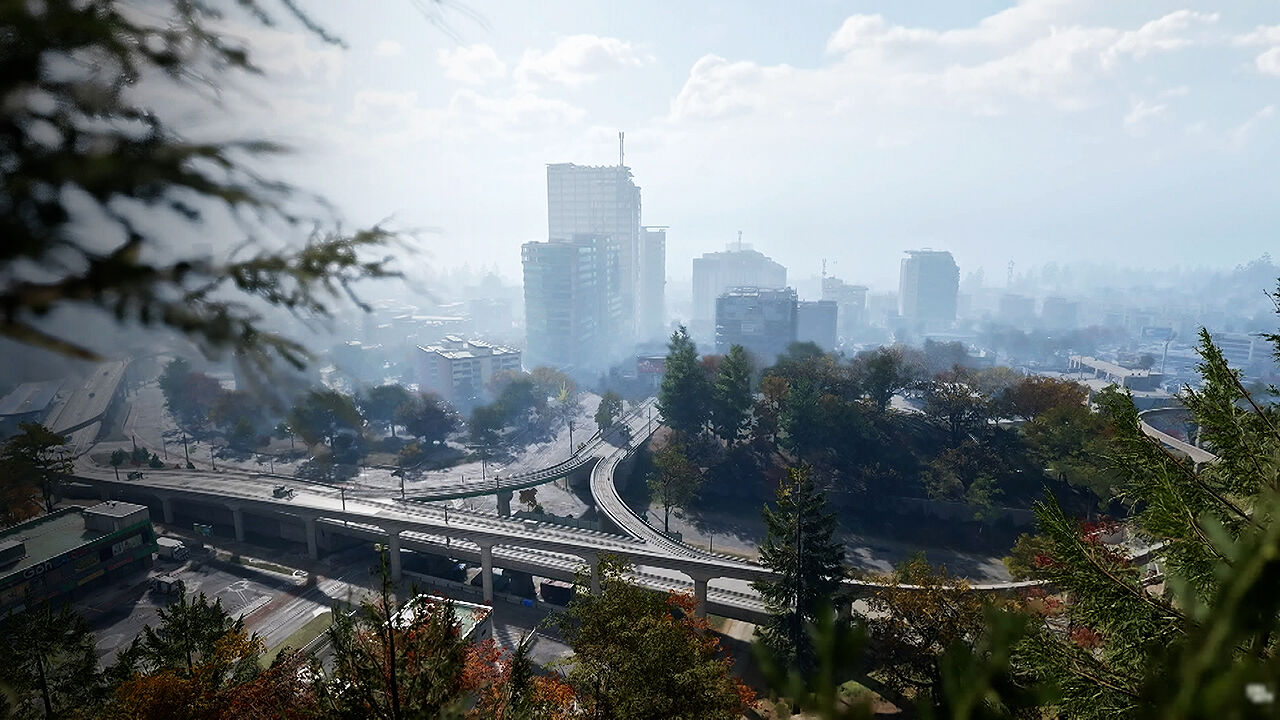
To add, for about 15 minutes immediately following the game's release, users were unable to access the online purchase process. Rumors spread that the South Korean government had artificially blocked access to the game. However, the situation was resolved shortly afterward, and purchases can now be made freely. It appears to have been an internal issue on the game publisher's end rather than a government measure.
※ Please note: This article was translated by AI and may contain errors.


 Video News
 Video News
 Video News
 Video News
 Video News