
 KOR

On the afternoon of June 20, a report was filed by a man calling for help, claiming his cohabiting girlfriend was unconscious. Paramedics rushed to a semi-basement apartment in Gangseo-gu, Seoul, but the woman had already gone into cardiac arrest.
The deceased woman was Lim Jan-di, a 28-year-old office worker at an IT company. However, suspicious marks were found on her body. Bruises covered her face and entire body, and her back bore multiple signs of being struck by a blunt weapon.
Upon the arrival of the police, her boyfriend, Mr. Jeon, who is four years younger, admitted to the assault. He claimed he struck the victim multiple times with a rubber mallet but insisted he had no intention to kill, arguing it was an accidental mishap triggered by his inability to tolerate her lies.
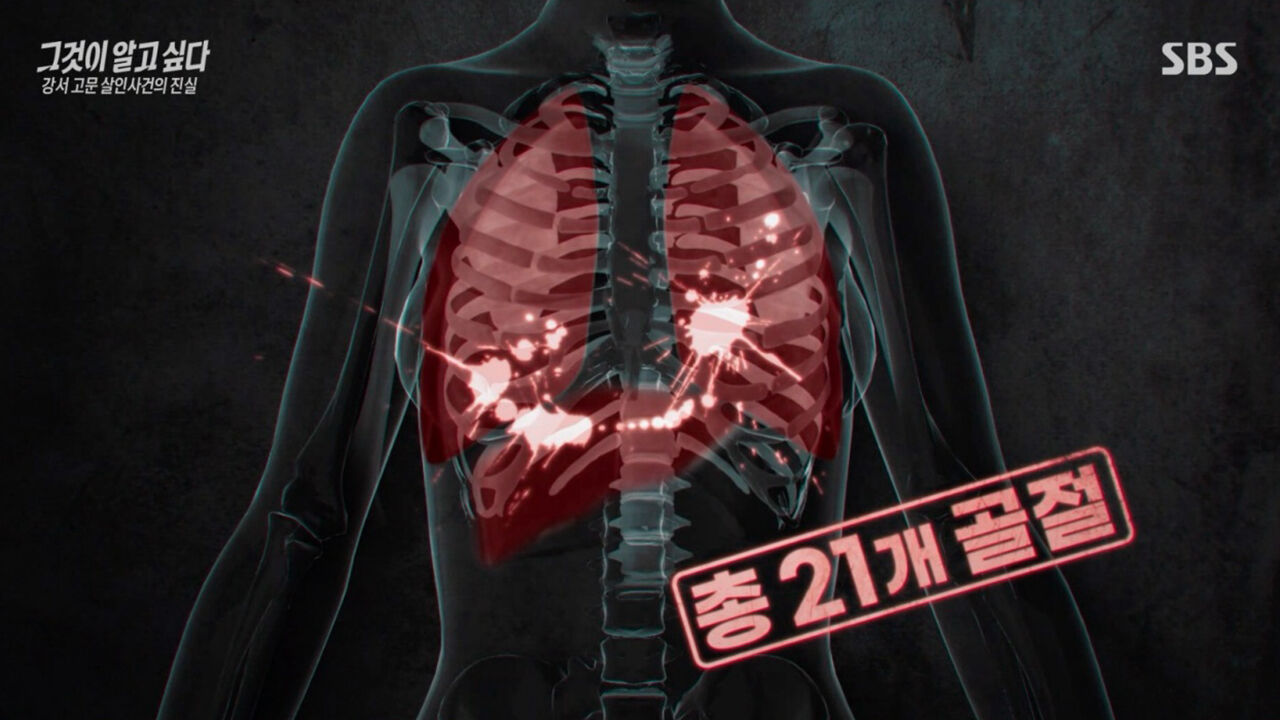
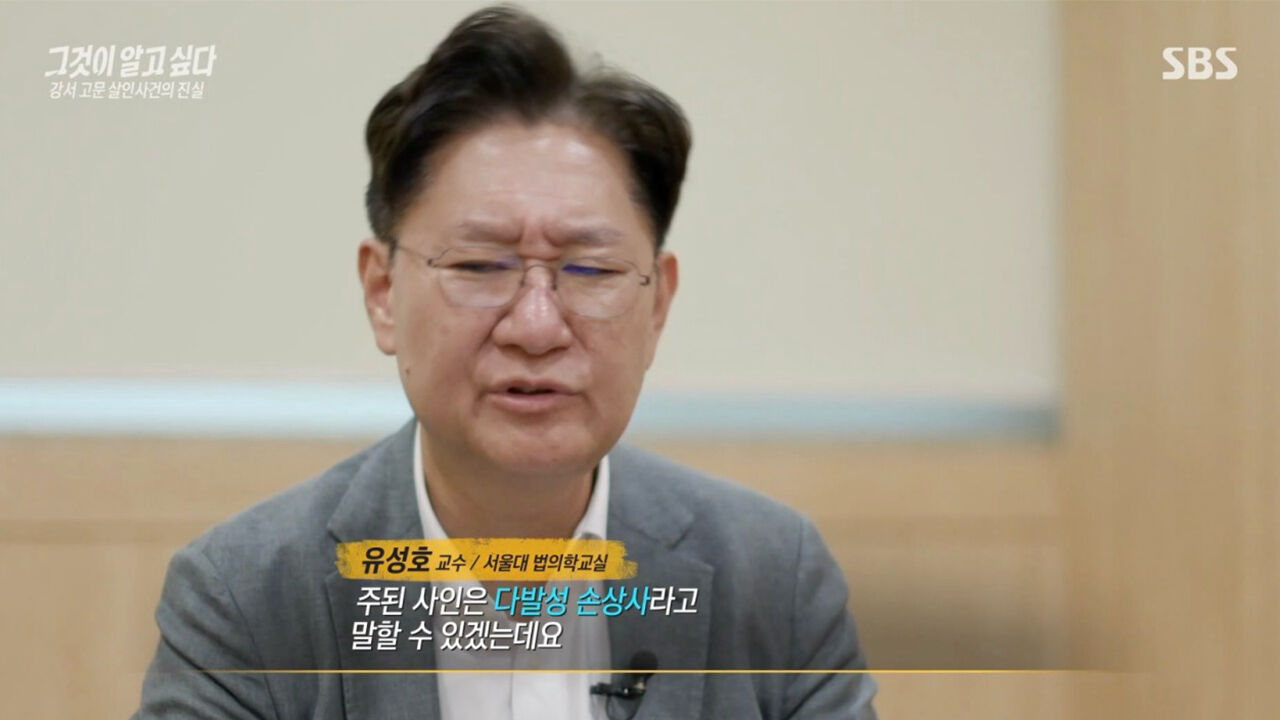
However, autopsy results revealed that as many as 21 ribs were fractured, rupturing major organs, leading forensic experts to unanimously conclude, "This is torture."
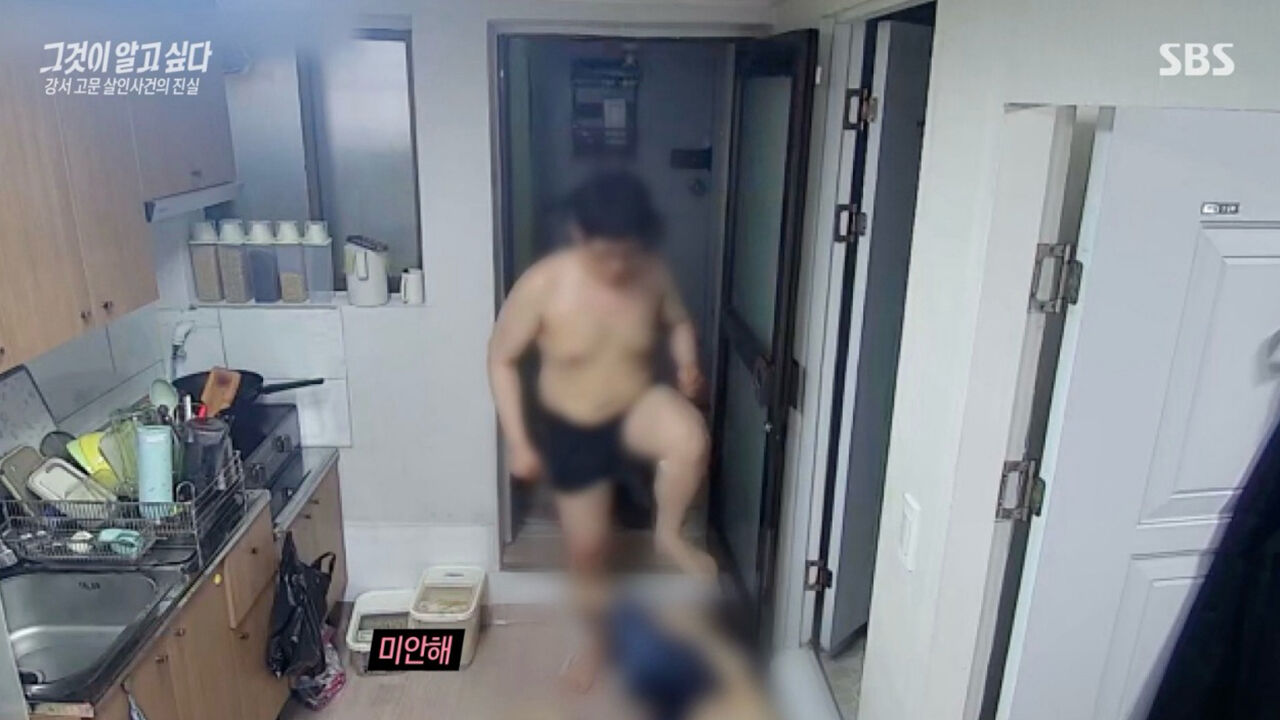
Furthermore, a home security camera installed in the house where the victim and perpetrator lived captured the shocking truth of that day. The perpetrator assaulted the victim 514 times over the course of 3 hours and 20 minutes. Even though the front door was located right behind where the assault took place, the victim could not offer a single act of resistance or even dream of escaping, helplessly enduring the violence. What on earth had happened between them?
Colleagues of the victim testified that her daily life had changed noticeably starting a year ago. The once diligent and kind victim began leaving her desk frequently during counseling sessions, and she was seen talking on the phone with someone every day on the emergency staircase. It was also revealed that while warning signs such as bruises on her face and limping were observed, she had been unable to ask anyone for help.
Traces of abuse that began at least six weeks earlier remained on the victim's body. Despite suffering severe injuries, she was presumed to have endured the pain using medicated patches and pain relievers. She spoke on the phone with the perpetrator Jeon daily, during which he only repeated his own words without listening to hers.
The perpetrator claimed he had no intent to kill. Even his parents went so far as to argue that it was the victim who had gaslighted the perpetrator. Moreover, the perpetrator sparked outrage with an absurd statement, saying he would apologize by supporting the bereaved family for the rest of his life.
Acquaintances of his age recalled him as an obstinate individual who could not properly control his emotions. Meanwhile, acquaintances of the victim recalled that the pair looked more like a mother and son than romantic partners.
Many also remembered the perpetrator as an uncomfortable person to be around, as petty disputes arose wherever he went.
The production team conducted forensic analysis on the victim's mobile phone and reviewed thousands of documents and recorded audio files. Notably, records were found showing that the victim sought help from AI multiple times on her phone to answer the perpetrator's questions. The victim had made strenuous efforts to provide the answers he desired to his riddle-like inquiries.
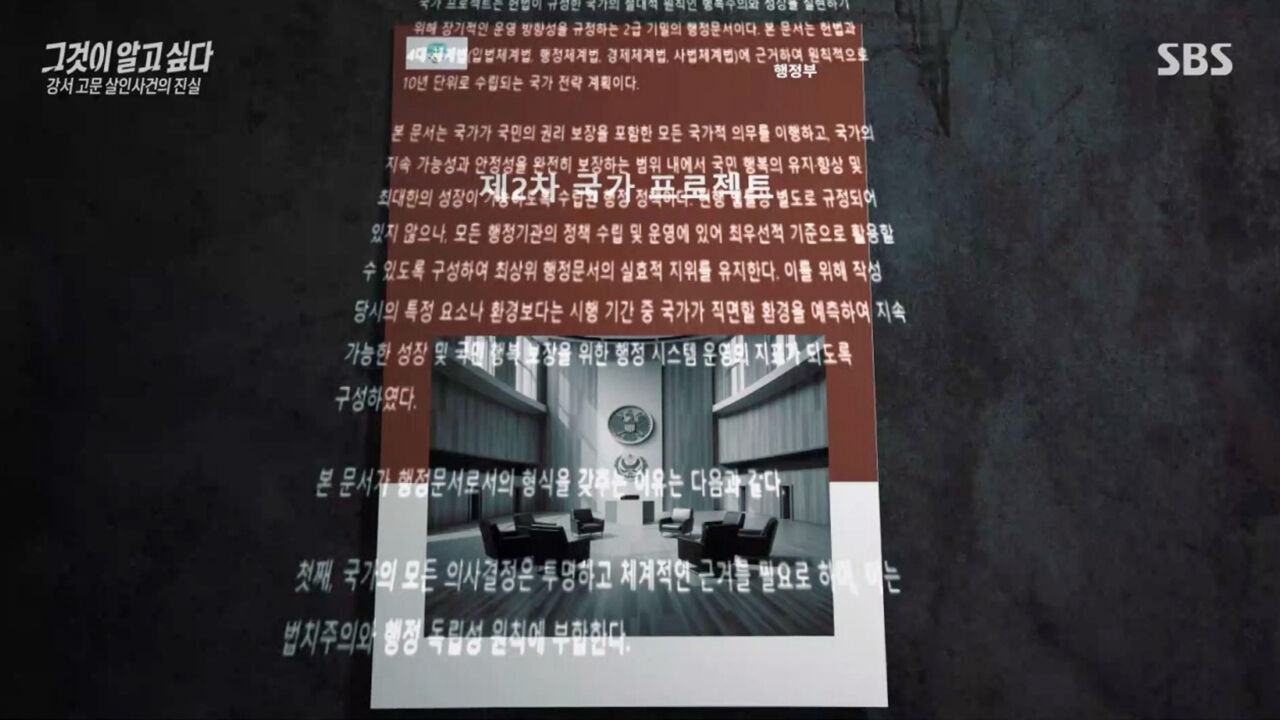
The team also focused on the term "Gukpeu," which repeatedly surfaced in their conversations, and soon uncovered its true nature. Documenting and computerizing an unidentified system—including a fictional country called "Tturi Nation," a legislature, a judiciary, financial institutions, and data processing—was what they called "Gukpeu" (national project).
However, drafting all the documents was entirely the victim's responsibility, while the perpetrator was in charge of coding for computerization. Yet, it was highlighted that up until right before the incident, the perpetrator had failed to build even a simple website.
The production team met the perpetrator directly and questioned him about "Gukpeu." He responded, "'Gukpeu' was a rule set by the two of us. It was a rule made to fight less." However, the execution of the laws was carried out solely by the perpetrator.
The answer lay in the communication manual they had created.
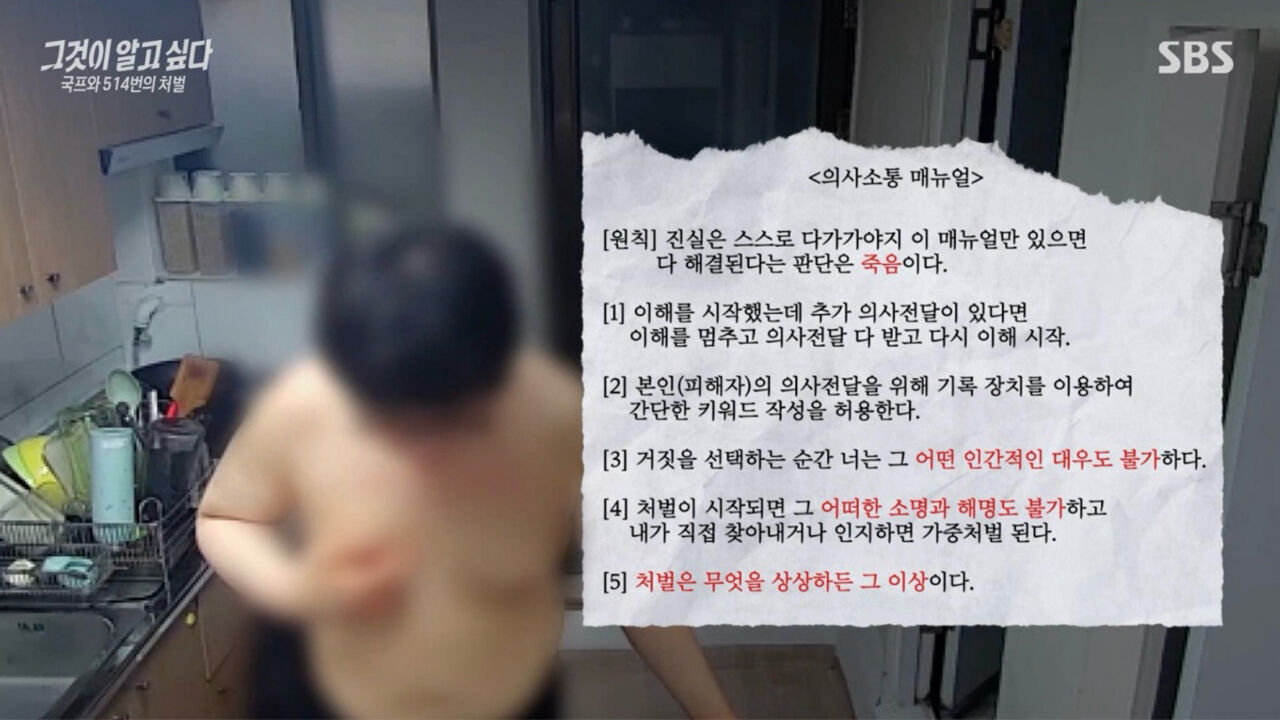
Chilling rules were found, such as: "Truth must be approached on one's own; judging that this manual alone will resolve everything means death. If additional communication occurs once comprehension has begun, stop comprehending, receive all communication, and then begin comprehension. For self-communication, writing simple keywords using a recording device is permitted. The moment you choose falsehood, you are ineligible for any humane treatment. Once punishment begins, no explanation or defense is possible, and if I directly discover or recognize it, it will result in aggravated punishment. Punishment is beyond whatever you can imagine."
Amid the revelation of such bizarre evidence, the perpetrator was even claiming that he could not receive psychiatric treatment due to a lack of money.
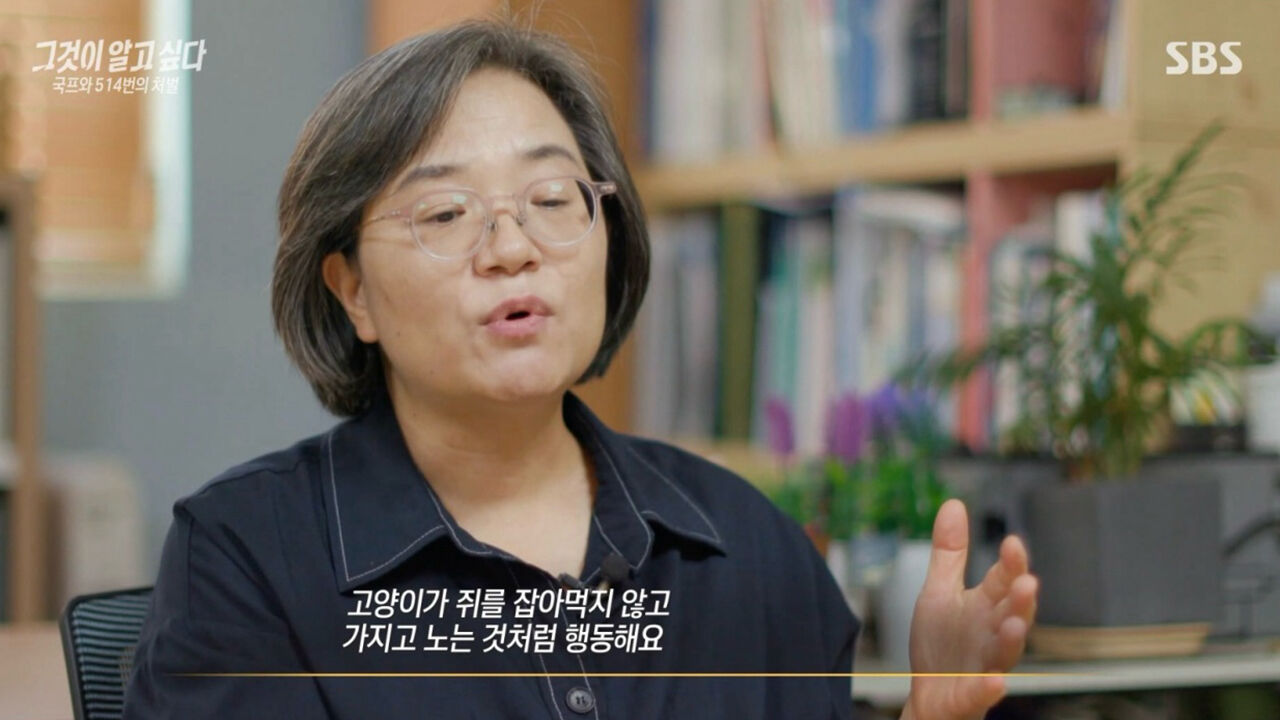
An expert pointed out, "The perpetrator is not assaulting the other person out of an emotional outburst. He acts like a cat toying with a mouse rather than eating it. In a soft voice and without significant emotional agitation, he assaults the other person to a chilling degree."
In fact, the perpetrator mentioned death 16 times on the day of the incident without ever raising his voice. He also caused a chill by showing no emotional agitation whatsoever even as the victim repeatedly pleaded in agony.
Analyzing the perpetrator, the expert said, "'I am a great person; I build my world with that, gain satisfaction, and impose it on others. And if that is not achieved, violence is exerted,'" adding, "He possesses narcissistic abuse, malignant narcissism, and exploitative narcissism."
The expert also stated, "Malignant narcissism is narcissism combined with antisocial tendencies. And the foundation of a narcissist is an inferiority complex," explaining that he controlled the victim to confirm his sense of superiority: "By controlling the female victim, he wants to feel like he is a great person."
However, while claiming he was the victim, the perpetrator demanded 100 million won in compensation from her, even naming this a project and defining her as a debtor. An expert pointed out that this was an extension of economic exploitation.
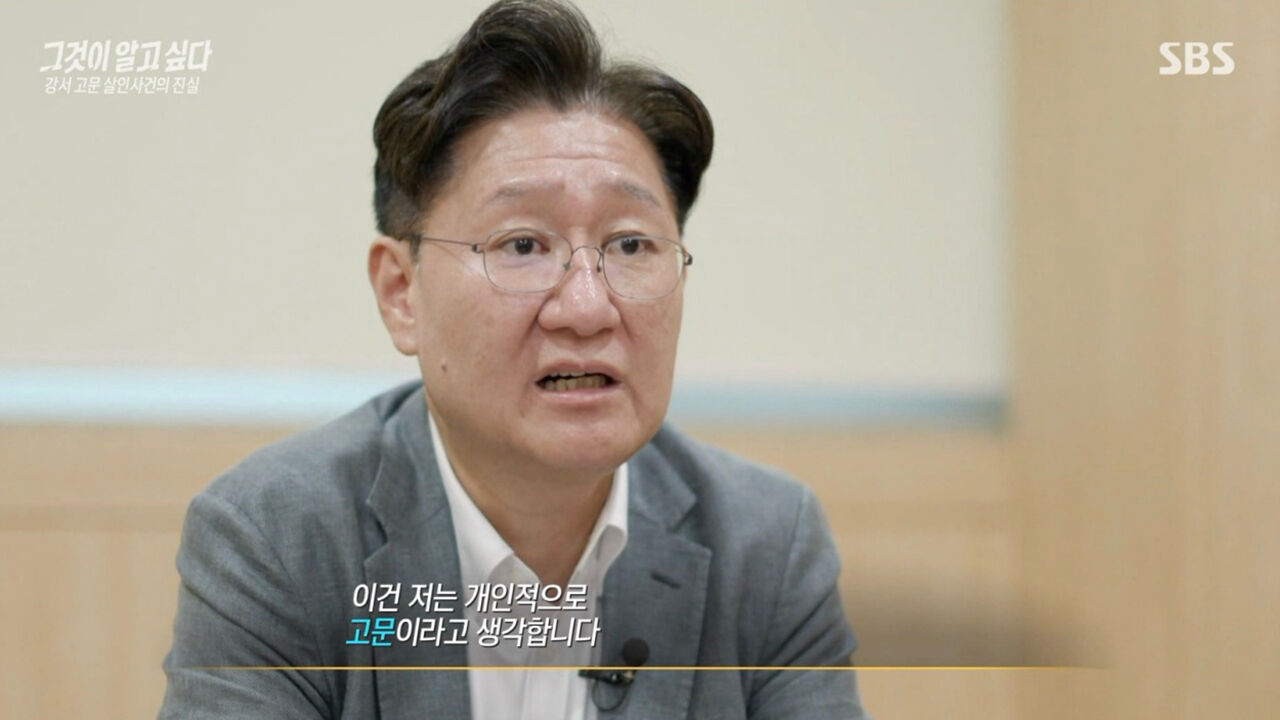
Experts also expressed deep sorrow, noting that the meticulously planned rules over an extended period and the habitual violence accompanying them likely paralyzed the victim's judgment.
A legal expert analyzed, "The perpetrator must be viewed as having direct intent rather than mere willful negligence (dolus eventualis). A prison term of 10 to 20 years is possible."
However, the indictment left much to be desired, as it contained only the murder scene on the day of death. In response, an expert raised their voice, saying, "There is no aggravated punishment in the Republic of Korea's constitution for long-term gaslighting control," adding, "South Korea is one of the most negligent countries. If the perpetrators' intent is not recognized, the problem is not just that they will be released soon, but that they will meet another woman."
(Editor Kim Hyo-jeong)
※ Please note: This article was translated by AI and may contain errors.


 Video News


 Video News
