
 KOR
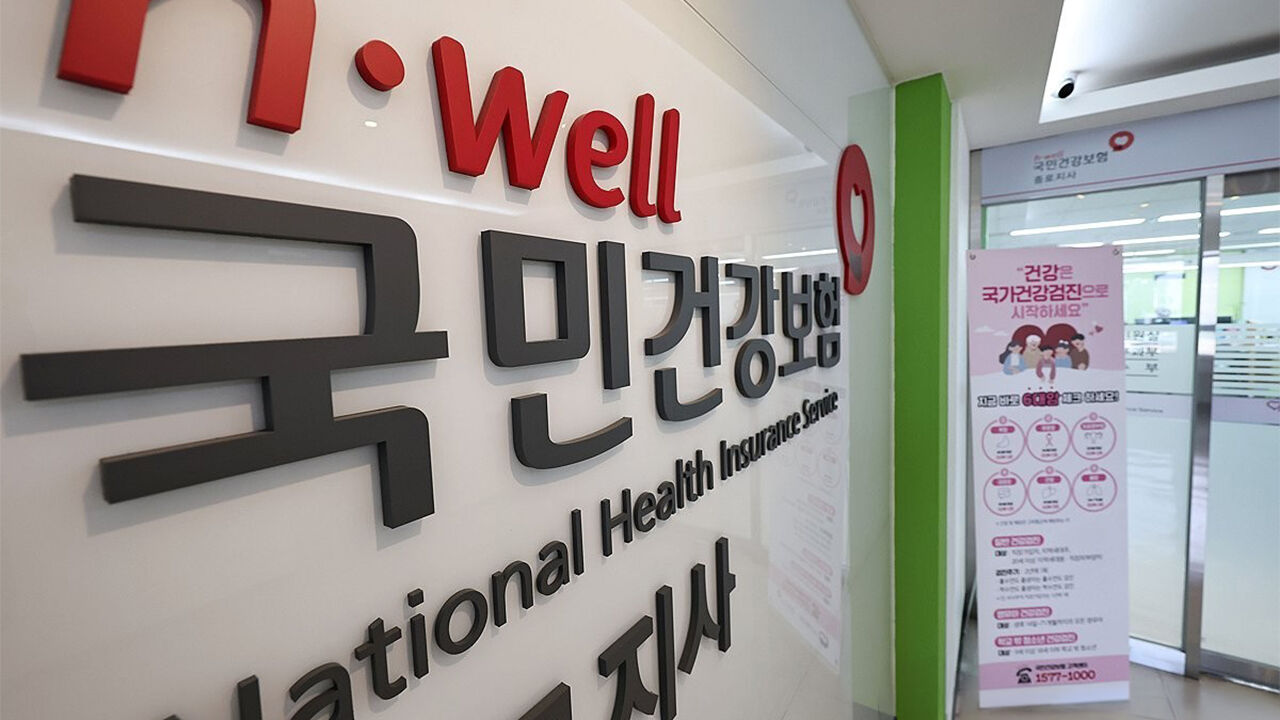
▲ National Health Insurance Service
The unauthorized use and fraudulent receipt of National Health Insurance benefits by stealing another person's name or health insurance card to receive medical treatment has been found to be serious.
Over the past five years and eight months alone, the number of detected cases involving the theft of health insurance cards exceeded 180,000, and more than 2.3 billion won of the medical expenses leaked as a result still remains unrecovered.
Cases have even been uncovered where individuals frequented hospitals dozens of times under someone else's name over a span of 10 years or fraudulently used nearly 80 million won in medical expenses and died without paying back a single won.
According to data on the "Status of Detection of Illegal Reception through Lending and Theft of Health Insurance Cards" submitted by the National Health Insurance Service to Representative Kim Sun-min of the Rebuilding Korea Party, a member of the National Assembly's Science, Technology, Information, Broadcasting, and Communications Committee, a total of 184,443 cases of health insurance card lending and theft were detected from 2021 to August 31, 2026.
The total determined amount of damage reached 4.091 billion won.
Looking at the types of fraudulent receipts separately, malicious identity theft accounted for a higher proportion than consensual health insurance card lending.
Among all detected cases, fraudulent receipts resulting from health insurance card theft stood at 180,330, accounting for approximately 97.8% of the total.
Cases of lending amounted to a mere 4,113.
The amount of damage was also mostly due to theft.
The amount determined from health insurance card theft was 3.827 billion won, nearing 93.5% of the total damage.
However, the amount actually recovered and collected by the National Health Insurance Service out of this was a mere 1.503 billion won.
This means that 2.324 billion won of the theft damage was not recovered, resulting in a collection rate of 39.27%, which falls short of even half.
In contrast, for fraudulent receipts through health insurance card lending, 216 million won was recovered out of the determined amount of 264 million won, recording a high collection rate of 81.82%, showing a stark contrast to identity theft crimes.
Looking closely at specific detected cases, the case with the longest theft period involved the identity of a woman born in 1974, surnamed Lee.
The perpetrator used Lee's name 65 times over a period spanning more than 10 years, from September 5, 2012, to October 24, 2022, to receive treatment for insomnia at a primary care medical institution.
The stolen amount in this case, 644,510 won, was fully recovered.
The case with the largest fraudulent receipt amount involved the identity of a man born in 1980, surnamed Park.
The perpetrator received treatment a total of 105 times while being treated for liver cancer at a tertiary general hospital from May 28, 2020, to November 4, 2023.
The stolen amount generated during this process reached 78,785,460 won, but the recovered amount was 0 won.
The matter concluded with the full amount of damage unrecoverable as the perpetrator died while staying illegally.
Fraudulent receipts involving the lending and theft of health insurance cards by foreigners also accounted for a significant proportion.
During the same period, the number of detected cases of health insurance card lending and theft by foreigners totaled 10,259, with a determined amount of 476 million won.
Among these, fraudulent receipts through theft accounted for 9,076 cases, with a determined amount of 409 million won.
However, the amount recovered from foreign identity theft fraud remained at 149 million won, with the collection rate hovering at 36.43%.
(Photo: Yonhap News)
※ Please note: This article was translated by AI and may contain errors.


 Video News

 Video News
 Video News
