
 KOR
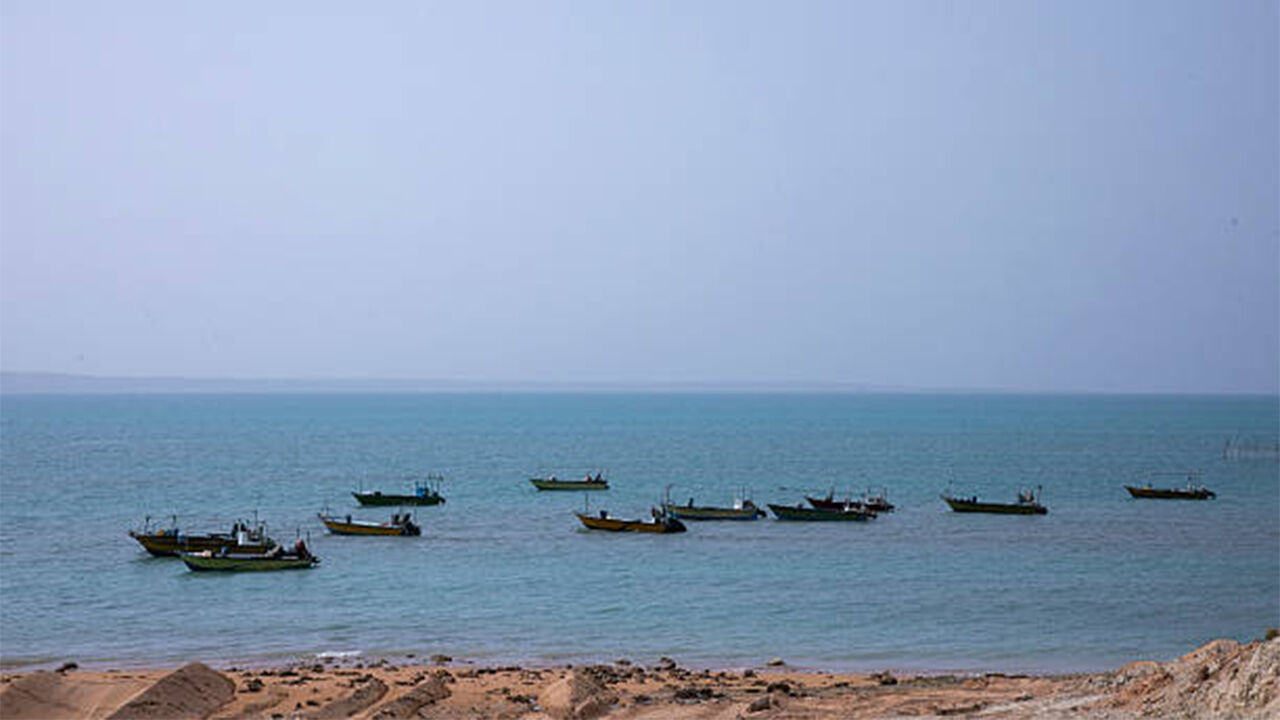
▲ Strait of Hormuz (File Photo)
Amid continuing armed attacks on vessels navigating the Persian Gulf in the wake of the Middle East conflict, authorities have been placed on high alert following a massive oil spill from a tanker struck off the coast of the United Arab Emirates (UAE).
Concerns are growing not only over maritime logistics but also regarding an environmental disaster, particularly as Iran claims control over the Strait of Hormuz—a vital global crude oil shipping lane—and intensively targets vessels that violate its self-imposed navigation regulations in the strait.
The UAE Ministry of Climate Change and Environment announced in a statement on the 23rd (local time) that it had "detected oil spilled from a tanker washing ashore at Umm al-Quwain beach, north of Dubai," and declared the closure of nearby beaches.
Authorities immediately launched containment and pollutant removal operations.
The neighboring Emirate of Sharjah also restricted access to Al Hamriyah Beach as a preemptive precautionary measure.
The backdrop of this oil spill crisis lies in the armed clashes surrounding the Strait of Hormuz.
Since the war in the Middle East erupted following airstrikes by the United States and Israel targeting Iran last February, Iran has effectively controlled the Strait of Hormuz.
In particular, Iran claimed control over the Strait of Hormuz following the signing of a memorandum of understanding (MOU) on ending the war with the United States, and has been indiscriminately attacking vessels attempting to pass through the strait outside of the shipping lanes designated by Tehran.
In response, the United States has blockaded Iranian ports and is escorting passing tankers, but commercial merchant vessels and oil tankers transiting these waters remain exposed to extreme risks of being sunk at any moment.
In fact, the vessel responsible for the oil spill has been confirmed as the Panama-flagged oil tanker GEM NO.2, which caught fire after coming under projectile attack off the UAE coast on the 9th.
Owned by a Taiwanese shipping company, the ship had been operating near the Strait of Hormuz after loading 2 million barrels of crude oil in Saudi Arabia last March.
According to an analysis of satellite imagery by the Dutch non-governmental organization (NGO) PAX, a massive oil slick measuring 40 kilometers long and covering an area of 190 square kilometers has formed around the attacked tanker, spreading to a point just 6 kilometers from the coast.
Due to the oil washing ashore, a pungent odor is sweeping through areas north of Dubai and Sharjah.
A resident of Sharjah expressed anxiety, saying, "It smells like chemical substances as if oil from ten gas stations was poured out, and I thought a gas explosion had occurred."
Greenpeace Middle East and North Africa (MENA) expressed concern, stating, "If what leaked is crude oil, it will blanket the beaches and inflict fatal and severe contamination on marine ecosystems such as sea turtles and birds."
(Photo: Getty Images)
※ Please note: This article was translated by AI and may contain errors.


 Video News

 Video News
 Video News
