
 KOR
Visiting China's Third New City, 'Xiongan New Area,' Firsthand
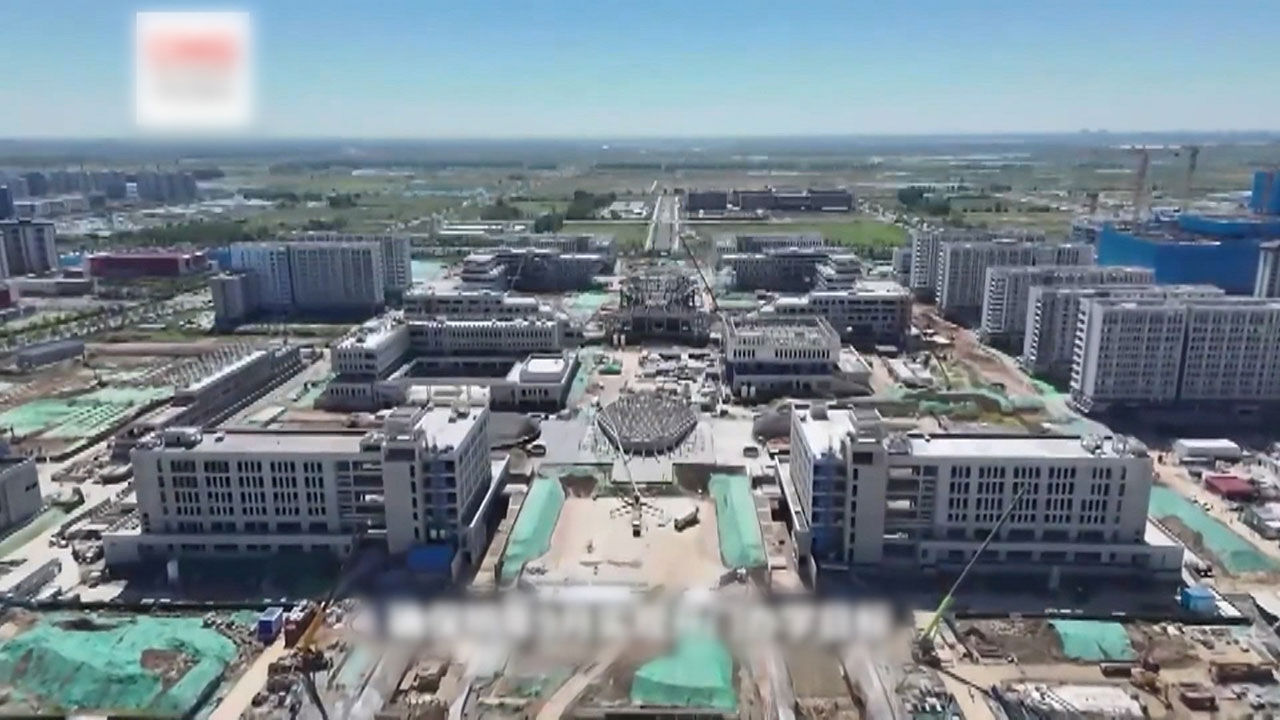
The third state-led new city being built by China is Xiongan New Area, a name that is somewhat difficult to pronounce. Administratively, Xiongan New Area is a small town area in Hebei Province, situated below Beijing and Tianjin. Because it is a special economic zone established across three counties—Xiongxian, Rongcheng, and Anxin—it was named Xiongan New Area by taking the first Chinese characters of their names. I had the opportunity to visit here by taking part in an inspection program organized by the Beijing office of the Korea International Trade Association. After driving for about two hours, an immaculate eight-lane road opened up, leading to a sign for Xiongan New Area.
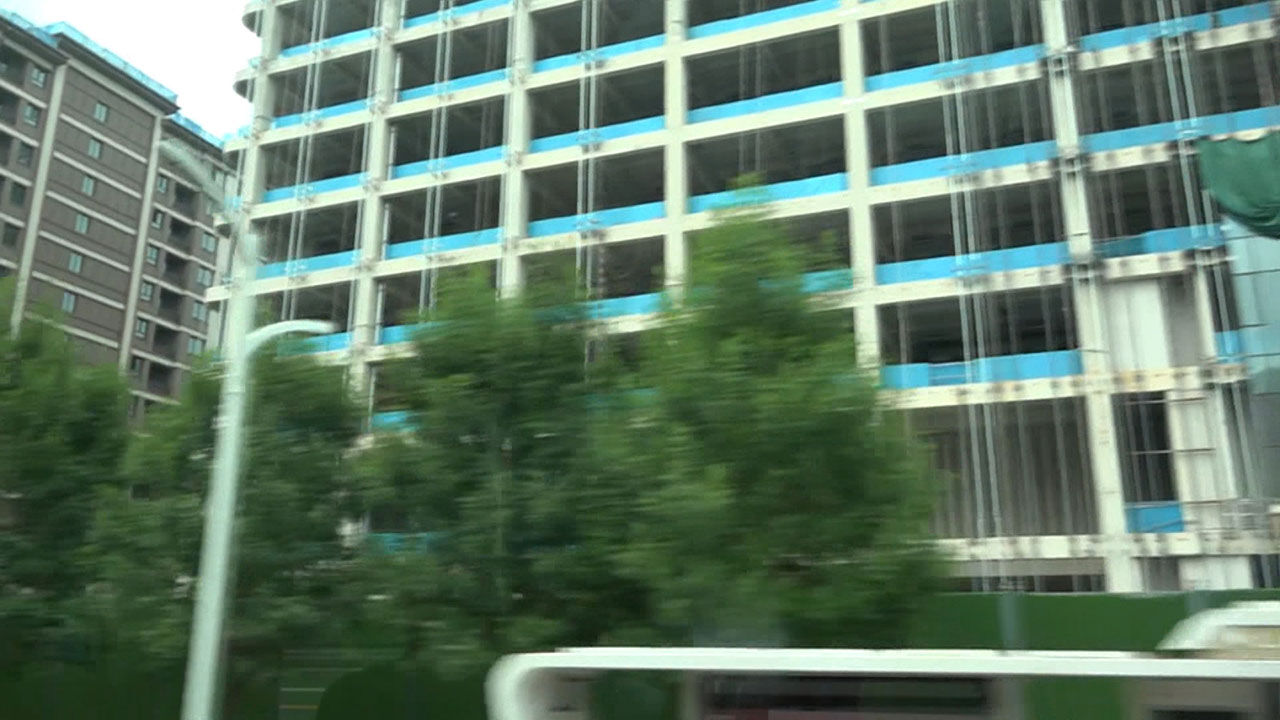
The first place I visited was the Xiongan New Area Comprehensive Service Support Center. It has not officially opened yet, but "A Matter of National Significance" was written in large red characters out front. It can be understood as being pushed as the masterpiece and culmination of the Xi Jinping era to disperse the population and functions excessively concentrated in the capital Beijing and to demonstrate the standard for future smart cities. Many buildings have already gone up in the central district, and even for unfinished buildings, tower cranes were operating non-stop to carry out construction. A high-speed rail station connecting all parts of China was also being built. Once the high-speed rail station is completed, trains will reportedly run from Hebei through Shanxi Province all the way to Kunming in Yunnan Province.
[Li Yuntao / Vice Chairman, Hebei Sub-council of the China Council for the Promotion of International Trade: "According to the national and provincial '15th Five-Year Plan,' Xiongan is scheduled to be developed into a modern city of the highest standard and quality. Specifically, there are six core industrial sectors, which include aerospace information, new materials, and artificial intelligence."]
How Does It Differ from Shenzhen and Shanghai?
Xiongan New Area features a three-tier structure. Above ground, green spaces and human-centered spaces are laid out, while infrastructure such as gas, electricity, telecommunications, and logistics has all been moved underground. Sensors supporting autonomous vehicles and an artificial intelligence (AI) road network are deployed throughout the streets, and all of these facilities are controlled using real-time Internet of Things data.
How Much Has Relocated from Beijing?
[Zhao Yao / Foreign Investment and Foreign Affairs Office of Xiongan New Area: "Regarding high-quality educational resources, which are one of the key pillars of development in this region, more than 20 top-tier universities from across China are scheduled to establish a presence in Xiongan. Furthermore, various support policies have also been prepared to foster overall corporate growth, industrial upgrading, and talent development."]
It was also stated that a so-called "market-driven relocation" is being pursued.
[This is the newly created science and innovation park, where around 280 companies, including those in artificial intelligence and robotics, have already registered or moved in.]
[Researcher at a tenant company in Xiongan New Area: "It's raining."]
[Robot: "I'll get an umbrella for you."]
The blueprint envisioned by the Chinese government appears clear. It aims to keep Beijing as the political and cultural center while transforming Xiongan into a new capital for advanced IT, eco-friendly research, and education. To this end, officials emphasized that they are actively contacting various entities, including high-tech companies and foreign-invested enterprises, encouraging them to visit Xiongan New Area and establish operations here.
All Infrastructure Is Ready, but There Are No People
China has a household registration system known as hukou. One must hold the hukou of the city of residence to access public services such as education and healthcare in that city. Bearing this in mind, officials emphasized that Xiongan New Area is already administratively integrated with Beijing.
[Zhao Yao / Foreign Investment and Foreign Affairs Office of Xiongan New Area: "Holding a Beijing hukou (household registration) is essentially the same as holding a Xiongan New Area hukou. Simply by obtaining a residence permit in Xiongan, you can enjoy all services—such as education, medical care, and shopping—equally with local residents, just as if you were in the same city."]
However, looking at this condition from the other side, it means that state-owned enterprise employees and university faculty members can work in Xiongan on weekdays and easily return to their homes in Beijing by high-speed rail or car on weekends. In other words, while buildings and institutions can be relocated through administrative power, people's lives cannot be forcibly transplanted.
What It Takes for Xiongan New Area to Take Root
China has invested approximately 200 trillion won in Xiongan New Area over the past 10 years and reportedly plans to inject about 800 trillion won more. It remains to be seen whether President Xi's "millennium plan," Xiongan New Area, will move beyond tidy and excellent urban infrastructure to be reborn as a renowned city where people genuinely live, much like Shenzhen or Shanghai.
※ Please note: This article was translated by AI and may contain errors.



 Video News
 Video News

