
 KOR
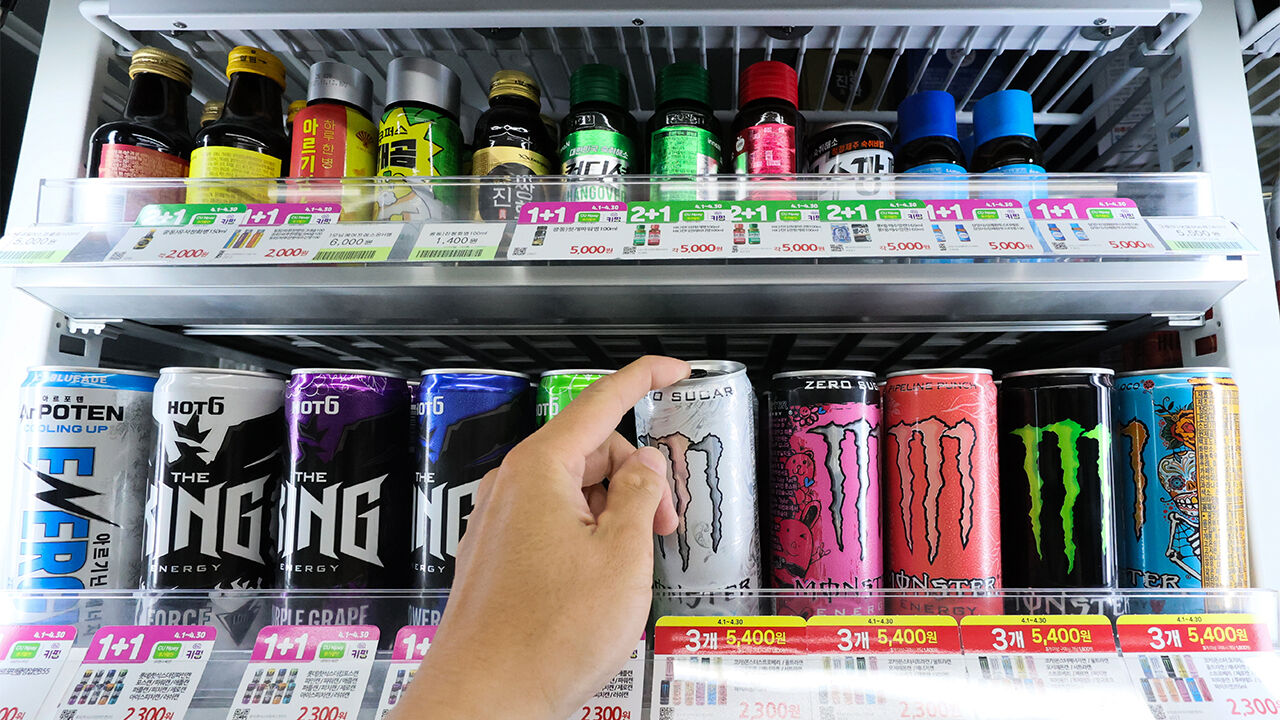
▲ Caffeine beverages displayed at a convenience store
With the College Scholastic Ability Test just a month away, the Ministry of Food and Drug Safety has advised test-takers to refrain from excessive caffeine consumption.
The ministry stated today (Oct. 20) that when consuming caffeine-containing foods to ward off sleepiness or relieve study fatigue, individuals should check the caffeine content and their physical condition to adjust their intake.
The ministry advised checking the daily maximum recommended caffeine limit, caffeine content by food item, and any discomfort felt after caffeine consumption.
The maximum daily caffeine intake for children and adolescents is 2.5 mg or less per 1 kg of body weight.
Accordingly, the recommended limit is around 125 mg for an adolescent weighing 50 kg, 150 mg for 60 kg, and 175 mg for 70 kg.
For adults, 400 mg or less is recommended, while pregnant women are advised to consume 300 mg or less.
Based on the reference values provided by the ministry, the caffeine content per single serving was highest for a 355 ml Americano easily ordered at coffee shops, containing 150 mg.
A 250 ml coffee beverage contains 103 mg, a 20 g energy jelly contains 100 mg, and a 250 ml energy drink contains 80 mg.
For an adolescent weighing 60 kg, just one cup of Americano effectively fills the maximum daily recommended intake.
In addition, since caffeine is found not only in coffee, coffee milk, and energy drinks, but also in tea, chocolate, cola, and energy jellies, the total amount should be considered when consuming multiple food products.
The ministry explained that if discomforts such as heart palpitations, headaches, anxiety, or sleep disturbances are felt after consuming caffeine, intake should be stopped or reduced.
To prevent excessive caffeine consumption among children and adolescents, the ministry prohibits the sale of high-caffeine foods in schools nationwide and at designated quality child-preferred food stores nearby.
In addition, precautions regarding caffeine intake are being promoted at about 78,000 locations frequently used by teenagers, such as convenience stores, libraries, and study cafes.
During a National Assembly audit on Oct. 13, Minister of Food and Drug Safety Oh You-kyung hinted at a willingness to review the introduction of regulations on high-caffeine consumption for children and adolescents, stating that it is "timely."
(Photo: Yonhap News)
※ Please note: This article was translated by AI and may contain errors.


 Video News


 Video News
