
 KOR
KOR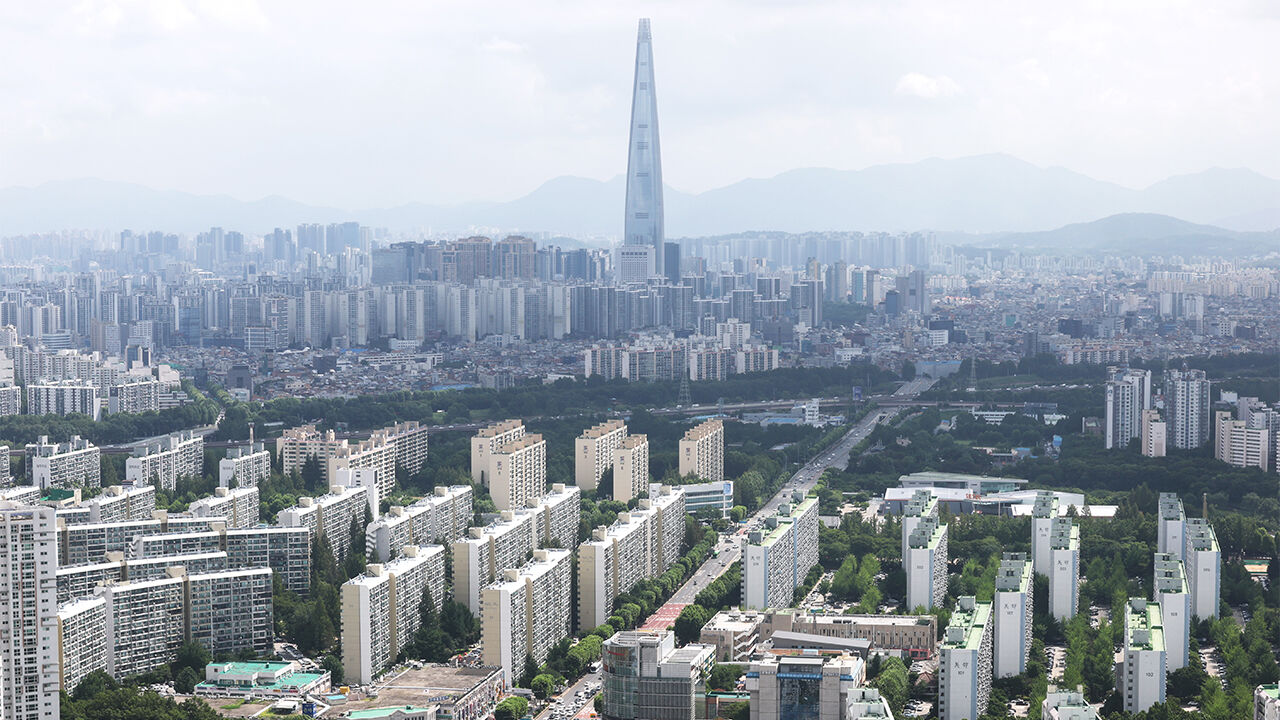
▲ A panoramic view of apartment complexes in the Gangnam area of Seoul
Seoul City has released a white paper reviewing its housing supply policies over the past 20 years, evaluating that the large-scale cancellation of redevelopment zones and focus on preservation-oriented urban regeneration during the tenure of former Seoul Mayor Park Won-soon weakened the foundation for long-term housing supply.
Between 2012 and 2020, the cancellation of 389 redevelopment zones wiped out approximately 430,000 housing supply opportunities, and while more than 1 trillion won in public funds was poured into alternative projects such as urban regeneration, a significant number of these areas have returned to pursuing redevelopment projects, according to the report.
Amid recent claims from the government and ruling party holding Seoul Mayor Oh Se-hoon responsible for the shortage of housing supply in Seoul, this white paper is also evaluated as carrying the character of Seoul City's rebuttal to those claims.
Seoul City announced that it would publish the white paper titled "Evaluation and Reflection on 20 Years of Seoul's Housing Supply Policy" containing these details and held a press briefing at City Hall.
According to Seoul City, the white paper analyzes the process ranging from the expansion of the supply foundation through New Town and redevelopment projects in the 2000s, to the policy shift toward large-scale redevelopment zone cancellations and urban regeneration-centered policies after 2012, and the restoration of the supply foundation after 2021.
Starting with three pilot New Towns in 2002, the first administration of Mayor Oh Se-hoon established supply plans totaling 309,000 units across 35 New Town and balanced development promotion districts as well as 297 redevelopment zones.
However, during the Park Won-soon administration from 2012 to 2020, 389 zones, or about 57% of the 683 redevelopment zones at the time, were cancelled.
Seoul City analyzed that approximately 430,000 supply opportunities were lost in this process.
Among the 389 cancelled zones, redevelopment projects are once again being pursued in 177 areas.
As resident demand to improve aging residential environments persisted even after projects were halted, a considerable number of regions turned back to reconstruction and redevelopment.
Procedural issues during the cancellation process were also included in the white paper.
Sixty-six zones were cancelled by official decree through ordinance revisions without conducting resident opinion surveys, while 264 zones went through resident opinion surveys, but some experienced procedural problems.
Fifty-nine zones were cancelled due to the application of the sunset clause.
For instance, Sajik District 2 in Jongno-gu was cancelled by official decree under the reason of preserving historical and cultural values, but the Supreme Court later ruled the disposition illegal.
In Jangwi District 15 in Seongbuk-gu, opinion survey mailings were not properly delivered to some absentee residents, and Singil District 1 saw cancellations carried out while voter turnout remained at a mere 12%.
A total of 1.096 trillion won was injected, including approximately 911 billion won into urban regeneration vitalization projects pursued as alternatives to redevelopment projects, and about 185 billion won into residential environment improvement projects.
The white paper evaluated that as a significant portion of these cancelled zones later transitioned back to redevelopment projects after undergoing urban regeneration, the limitations of financial investments were also exposed.
The volume of redevelopment project construction starts also dropped from an annual average of 29,000 units between 2016 and 2020 to 15,000 units between 2021 and 2025.
Seoul City analyzed that given the nature of redevelopment projects, which take several years from zone designation to construction starts, the past impact of zone cancellations and depressed new designations led to a delayed decline in housing construction starts.
While the population residing in Seoul decreased by about 18% over the past 15 years, the number of households increased by about 14%, and it is estimated that approximately 1.93 million aging houses will require remodeling or rebuilding within the next 10 years.
The white paper evaluated that since Mayor Oh returned to office in 2021, policy emphasis has been placed on restoring the supply foundation.
The city abolished the residential maintenance index system, introduced the Rapid Unified Planning (Sin-sok-tong-hap-gi-hoek) initiative, recognized project feasibility correction coefficients and current floor area ratios, and promoted Moa Housing and Moa Town projects.
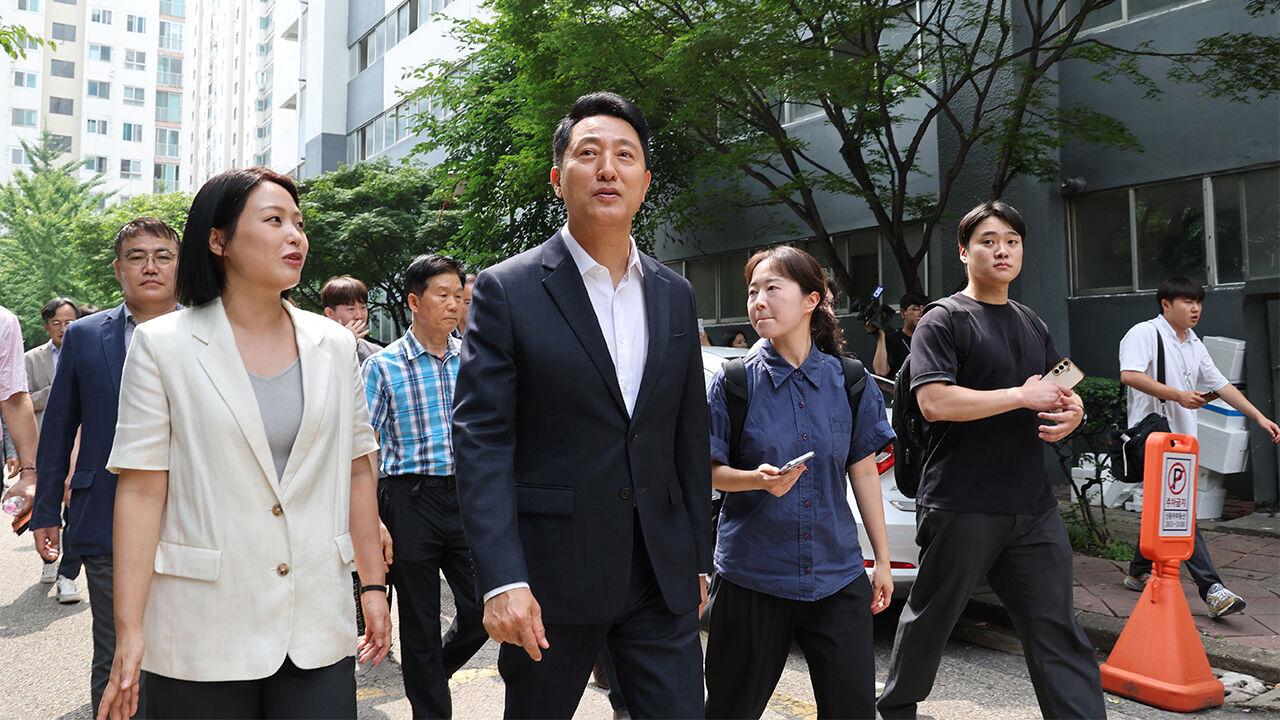
As a result, the designation of redevelopment zones more than doubled from 77 zones between 2016 and 2020 to 172 zones between 2021 and 2025, the city explained.
Seoul City aims to concentrate its policy capabilities on connecting the recovered supply foundation to actual construction starts and move-ins, targeting the commencement of 310,000 housing units by 2031.
Myeong No-joon, head of Seoul City's Housing Bureau, stated, "This is to record past cases with accurate statistics and grounds so as not to repeat the same mistakes and to accurately inform citizens of the causes of the current housing shortage," adding, "We will present the direction for the development of Seoul's housing supply policy."
(Photo: Yonhap News)
※ Please note: This article was translated by AI and may contain errors.




 Video News

 Video News