
 KOR
KOR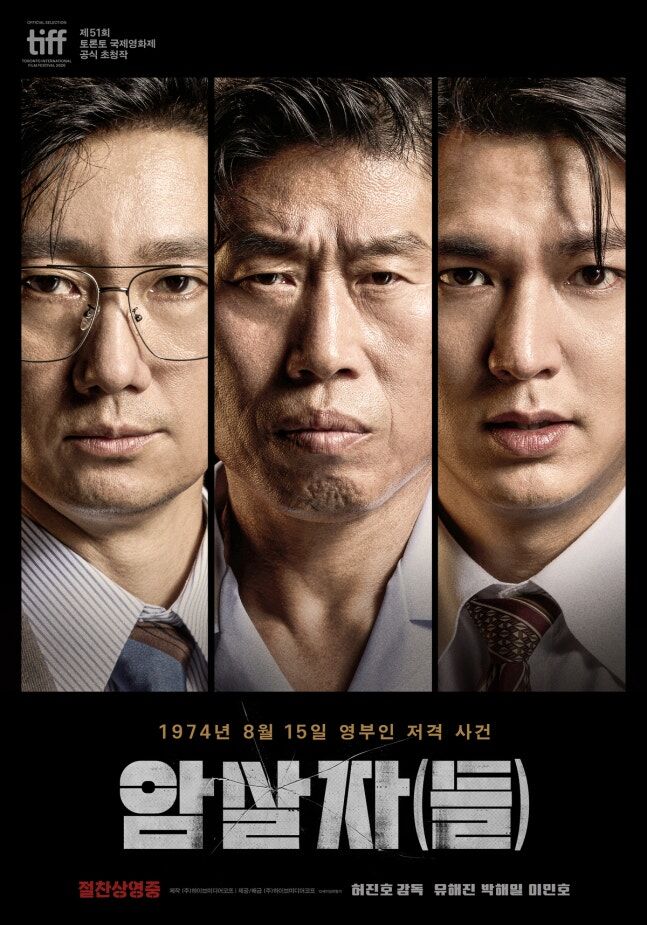
During the broadcast of MBC's "100 Minute Debate" on the night of October 13, various opinions were exchanged among panelists under the topic "The Controversy Over 'The Assassin(s)'.. Historical Truth in Films, Where Does It Go?" This marks the first time in about 19 years, since the controversy surrounding director Shim Hyung-rae's film "D-War" (2007), that "100 Minute Debate" has focused its discussion on a single specific film. The selection of the topic demonstrated how widely the controversy surrounding "The Assassin(s)" is spreading across all directions.
"The Assassin(s)" is a work that reinterprets the stories of figures surrounding the incident through cinematic imagination, using the 1974 shooting of First Lady Yuk Young-su as a motif. However, as recent controversies surrounding historical distortion of the work have emerged, battles are taking place both within and outside the political sphere and the film industry.
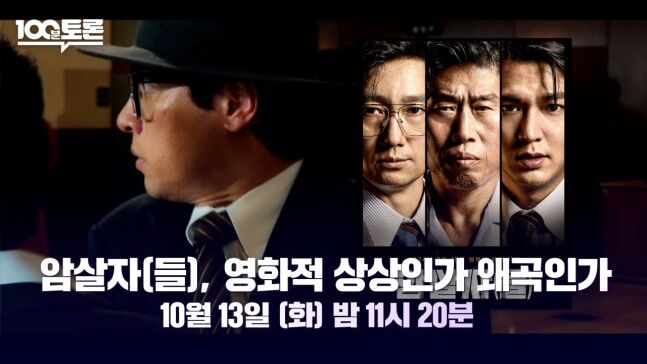
Regarding the film's presentation of a hypothesis hinting at the possibility of intervention by the power elites of the time behind the incident, conservative factions including the People Power Party protested, calling it "historical distortion that shakes judicial judgments and established historical facts." On the other hand, progressive factions such as the Democratic Party of Korea countered, saying, "Excessive political intervention could infringe upon freedom of creation and contract the film industry."
The debate featured appearances by Democratic Party lawmaker Noh Jong-min, film critic Jeon Chan-il, People Power Party lawmaker Yoon Yong-keun, and Shim Yong-hwan, head of the History N Education Research Institute. Unlike many politicians who expressed opinions and emotions regarding the controversy without even watching the film, all four panelists appearing on the day began the debate by stating that they had "watched the movie."
Lawmaker Noh Jong-min and critic Jeon Chan-il expressed the opinion that "evaluations of a film should be left to the audience, and the political sphere must not infringe upon freedom of expression and creative rights in cinema." In particular, they emphasized that personal attacks against actors, such as visiting their homes to stage protests, and other forms of vilification and stigmatization must stop.
While emphasizing that "the People Power Party or the conservative faction is not trying to deny the creativity of the film," Lawmaker Yoon Yong-keun pointed out that "this film is based on fiction as a commercial movie. The film goes beyond the scope of creative freedom to distort historical facts and defame the deceased." In particular, he pointed out that even though judicial judgments regarding Mun Se-gwang have already been made, the content of the film runs counter to those judgments.
Institute Head Shim Yong-hwan pointed out that the historical basis and period verification of "The Assassin(s)" are weak, but criticized the situation in which conservative political circles and online communities raise historical distortion controversies surrounding the film's contents as unnecessary political skirmishes.
Rather than dividing the panelists along conservative and progressive political faction lines, the broadcast on this day appeared to select panelists consisting of two people claiming the film distorts history and two people arguing it is cinematic imagination. The four panelists held slightly differing perspectives on viewing the movie and looking at the political battles. Nevertheless, they spoke with one voice in agreeing that attacks directed personally at individual actors by conservative political circles and conservative civic groups are unjust.
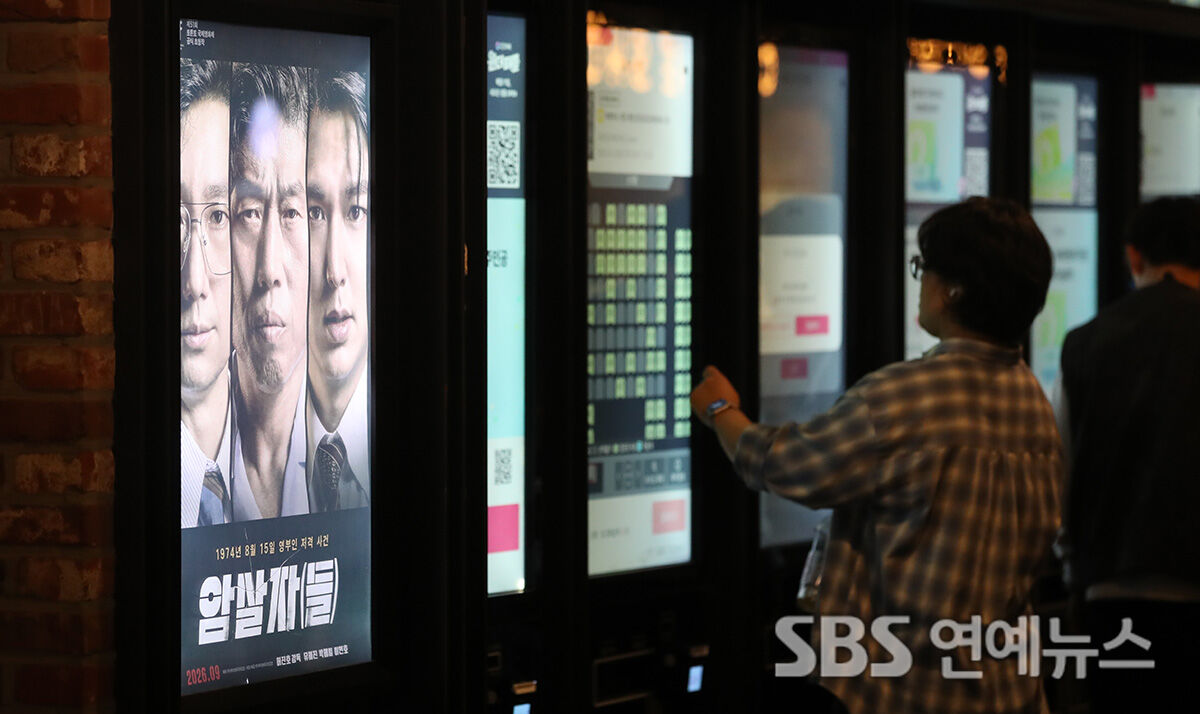
"The Assassin(s)" was released on September 23 and surpassed 3 million moviegoers nationwide in 20 days.
(Photo: Yonhap News / Reported by Kim Ji-hye, SBS News & Culture)
※ Please note: This article was translated by AI and may contain errors.



 Video News
 Video News

 Video News