
 KOR
KOR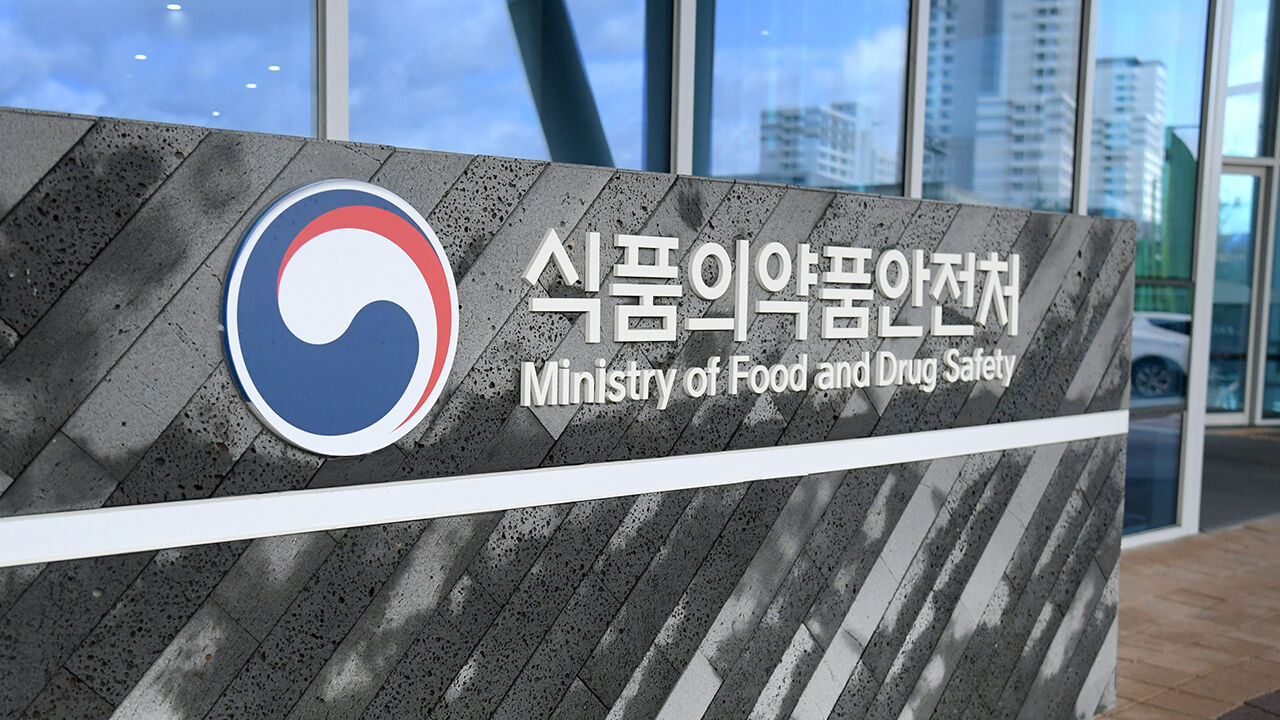
▲ Ministry of Food and Drug Safety
Although a large volume of biological samples, such as blood from South Korean participants, is being sent overseas due to global clinical trials, it has been revealed that the Ministry of Food and Drug Safety lacks even basic statistics.
According to data received by Representative Huh Jong-sik of the Democratic Party of Korea, who serves on the Health and Welfare Committee of the National Assembly, from the Ministry of Food and Drug Safety today (October 13), while around 400 global clinical trials are conducted annually, there are no systematic statistics regarding the scale, destination countries, or reasons for exporting biological samples overseas.
While domestic sample analysis institutions are subject to strict management—such as establishing high-priced equipment, employing dedicated personnel, and undergoing regular inspections every three years—overseas analysis institutions are not subject to regular inspections. Consequently, there are no appropriate means to sanction them even if data errors or trial deviations occur.
Due to the absence of relevant statistics, it is impossible to distinguish whether samples are being sent abroad due to a lack of analytical technology or simply out of conventional practice, which is also disrupting the formulation of policies to foster domestic infrastructure.
The Ministry of Food and Drug Safety stated, "We will review strengthening on-site inspections of overseas analysis institutions," while maintaining a cautious stance by adding, "If regulations on the export of clinical trial samples are tightened, there is a concern that global pharmaceutical companies may exclude South Korea as a clinical trial destination."
Representative Huh proposed alternatives, suggesting the establishment of a comprehensive statistical system and the introduction of a system requiring minimum information registration and quality equivalence verification for overseas institutions handling South Korean samples.
In addition, he suggested revising laws and guidelines so that biological samples from state-funded national clinical trials are preferentially analyzed by designated institutions under the Good Clinical Practice for Clinical Trial Laboratories.
Representative Huh emphasized, "If they are samples from domestic patients and data used for domestic approval, the quality control principles must not differ depending on the location of the analysis," adding, "The government must accurately grasp the scale and reasons for samples going abroad to diagnose vulnerable sectors and promptly formulate comprehensive measures to foster domestic central laboratories."
(Photo: Provided by the Ministry of Food and Drug Safety, Yonhap News)
※ Please note: This article was translated by AI and may contain errors.


 Video News

 Video News
 Video News
 Video News