
 KOR
KOR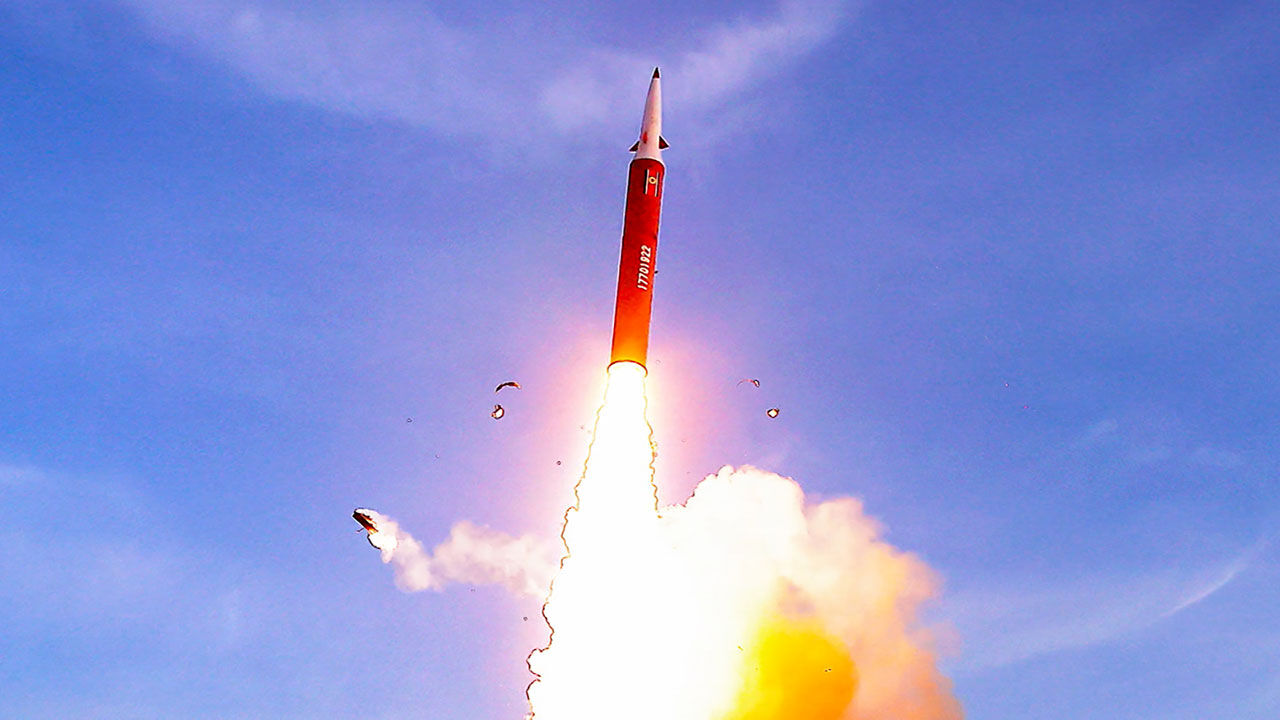
▲ North Korean missile (file photo)
The Japanese government announced that North Korea launched multiple suspected ballistic missiles on the morning of October 12, and they all appear to have fallen outside Japan's Exclusive Economic Zone (EEZ).
According to Kyodo News and NHK, the Japanese Ministry of Defense announced that at around 9:19 a.m. and 9:36 a.m. that day, at least two suspected ballistic missiles were launched successively from inland North Korea in northeast and east directions, respectively.
The Japanese government estimated that the first missile had a flight distance of about 220 km and a maximum altitude of about 20 km, falling into the East Sea off the coast of North Korea.
The subsequently launched missile was estimated to have a flight distance of over approximately 910 km and a maximum altitude of about 70 km, falling into the East Sea.
This launch comes four days after the South Korean government abruptly disclosed the fact that it had conducted its first test launch of a domestically developed hypersonic gliding vehicle (HGV) as a response to the landmine explosion incident caused by North Korean troops in the Demilitarized Zone (DMZ).
Hypersonic missiles are known to fly at speeds of Mach 5 or higher and perform irregular maneuvers that differ from typical parabolic ballistic trajectories, making them extremely difficult to track and intercept.
Given that South Korean authorities announced the flight distance simply as "over 900 km," analysis suggests that North Korea's latest launch may also involve a type of projectile for which terminal-phase detection is not easy.
Japanese Defense Minister Takashi Koyari told the Japanese press regarding the second suspected missile, "We are analyzing the details, including the possibility of an irregular trajectory."
Minister Koyari added that North Korea's ballistic missile launch is a violation of UN Security Council resolutions, and that a stern protest and strong condemnation were delivered to the North Korean side through the Japanese Embassy in Beijing.
The Japanese Ministry of Defense has initiated information collection to verify whether there is any impact on Japan.
The Japan Coast Guard urged vessels navigating in the area to exercise caution.
However, no damage to Japanese ships has been reported.
The Japanese government has formed an emergency response team consisting of officials from relevant ministries at the Crisis Management Center of the Prime Minister's Office.
Japanese Prime Minister Sanae Takaichi instructed relevant ministries to make utmost efforts to collect and analyze information regarding the launch of the North Korean projectiles, thoroughly ensure the safety of aircraft and vessels, and maintain a full state of readiness for any contingency.
South Korea's Joint Chiefs of Staff also announced that North Korea launched several ballistic missiles from the Pyongyang area toward the East Sea on the morning of that day, which flew over 900 km.
This marks the first time North Korea has fired missiles from the Pyongyang area since August 20, when it launched around 10 short-range ballistic missiles presumed to be 600mm super-large multiple rocket launchers (KN-25) toward the East Sea.
North Korea's ballistic missile launch is its 16th of this year and comes nine days after October 3.
※ Please note: This article was translated by AI and may contain errors.




