
 KOR
KOR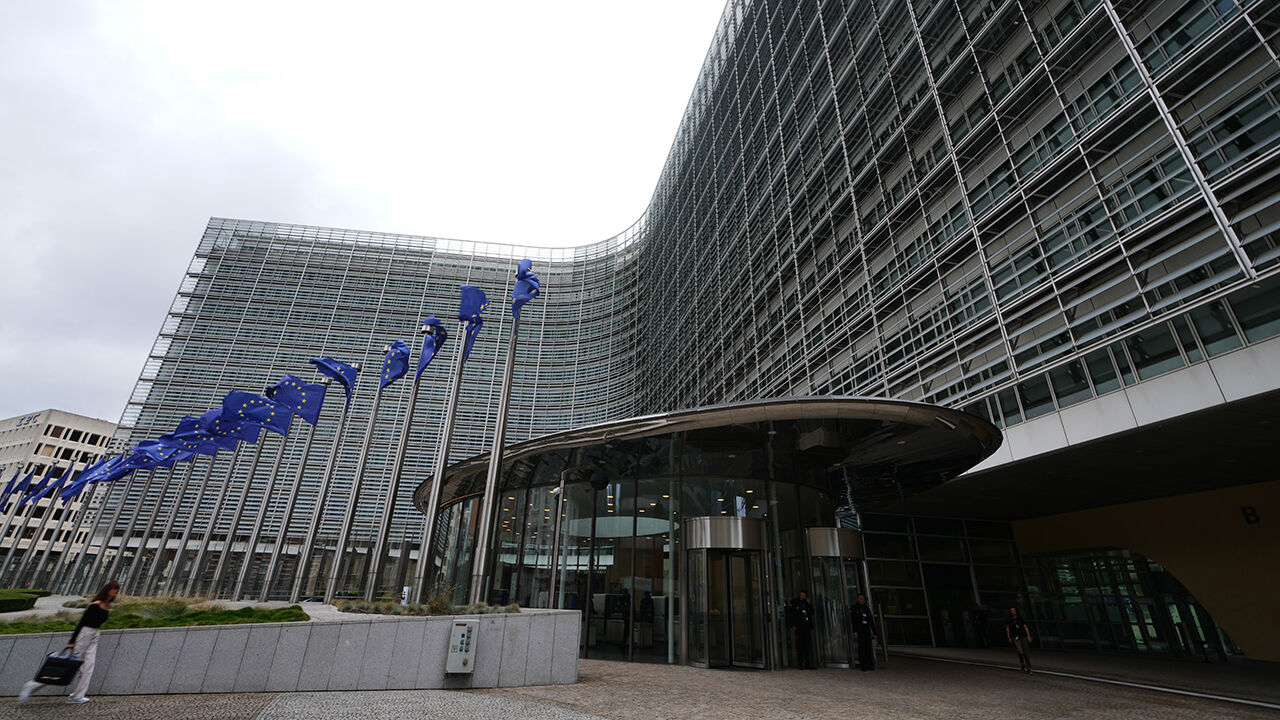
▲ EU headquarters in Brussels
The European Union (EU) is considering restricting the issuance of visas to Russian nationals to counter hybrid attacks from Russia, according to the U.S. online media outlet Politico.
Politico reported that the EU is focusing on travel visas issued under the Schengen Agreement.
The EU has concluded that this system is becoming a vulnerability to its security because obtaining a visa from just one of the 29 Schengen member countries allows individuals to travel freely across the rest of the bloc.
Last year, the number of Schengen travel visas issued to Russian nationals reached 478,000.
The European Commission is reportedly planning to unveil new proposals around January of next year to further tighten visa issuance for Russians.
Gunnar Strömmer, Sweden's Minister for Justice, told Politico, "I think everyone knows that there are vulnerabilities that can be exploited by our adversaries," pointing out that the Schengen visa system poses a threat to European security.
Magnus Brunner, the EU Commissioner for Migration, stated, "We are urging member states to respond more thoroughly and reduce the number of visas issued to Russians."
He explained that it is "impossible to know who Russian tourists coming into the EU actually are," adding, "This is why we are calling on member states to reduce the number of visas issued."
Politico also reported that other countries within the EU plan to propose additional sanctions targeting Russian diplomats, alongside this issue, at the EU Foreign Affairs Council meeting scheduled for October 12.
According to Politico, Estonia has proposed a complete ban on the entry of individuals with a military background from Russia into the EU.
Margus Tsahkna, Estonia's Minister of Foreign Affairs, noted that there are approximately 650,000 former Russian military personnel, arguing, "Many of them could enter Europe with the support of Russian intelligence services and carry out attacks targeting our societies."
He emphasized, "While we will ban their entry on an individual basis, stricter measures at the EU level are essential for security."
Previously in June, Iceland, Norway, and nine EU member states urged the European Commission on the need for a more unified and closely coordinated visa policy regarding Russia.
In a letter sent to the Commission, they stressed that "a restrictive visa policy against Russia is essential to safeguard the security and integrity of the Schengen area," highlighting the need for consistent, EU-wide measures.
(Photo: AP, Yonhap News)
※ Please note: This article was translated by AI and may contain errors.




