
 KOR
KOR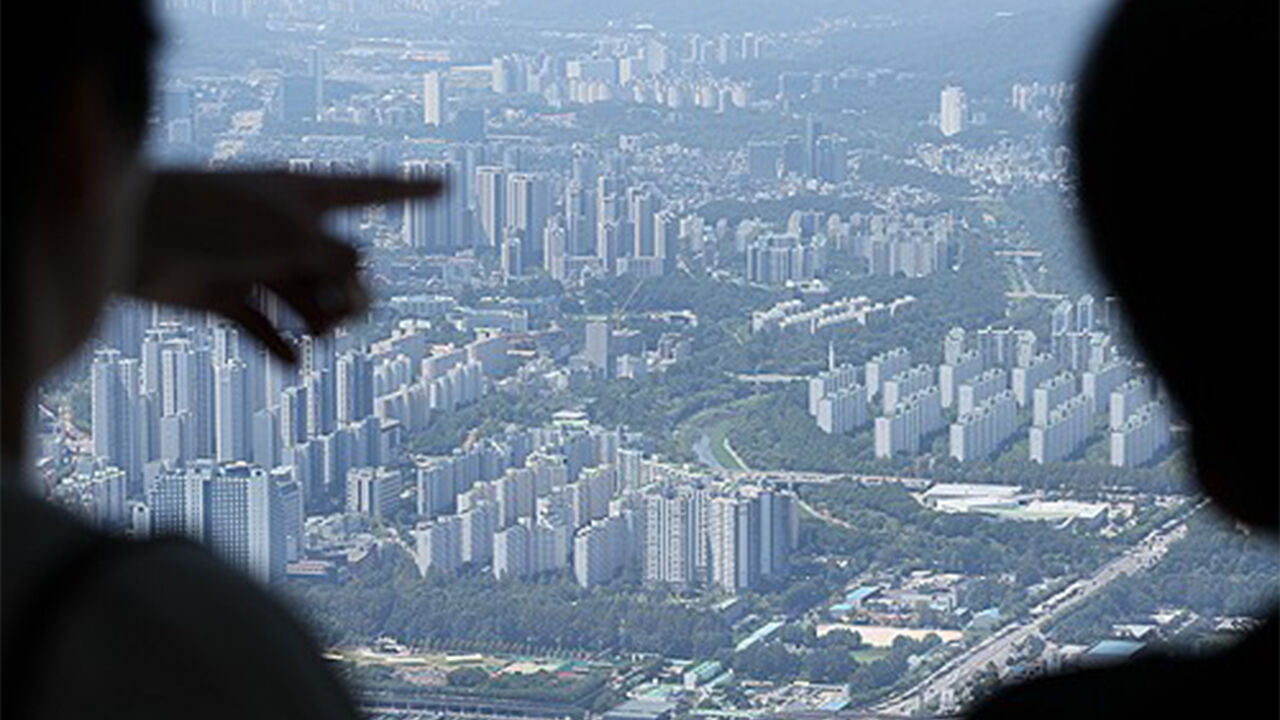
▲ Apartment complex and city view
The Supreme Court has ruled that if a landlord refuses a tenant's request for contract renewal citing plans to personally reside in the property, and later rents the home to a new tenant, the landlord must prove that the new lease was unavoidable due to circumstances that could not have been foreseen at the time of the refusal.
The Supreme Court's Second Division (presiding Justice Kwon Young-joon) finalized the lower court's ruling in favor of the plaintiff last month in a damages suit filed by a tenant, identified as A, against a landlord, identified as B.
In July 2020, tenant A leased an apartment in Seodaemun-gu, Seoul, from landlord B for a two-year period (September 2020 to September 2022) with a deposit of 660 million KRW.
Ahead of the contract expiration, tenant A requested a contract renewal in May 2022, but landlord B refused, stating that he would live there himself.
Landlord B registered his transfer of residence in September 2022, moved in February of the following year, and actually resided there until April 2024.
However, in February 2024, landlord B signed a contract to lease the apartment to a third party as a new tenant with a deposit of 820 million KRW, covering a lease period from April 2024 to April 2026.
In response, tenant A filed a lawsuit seeking damages under the Housing Lease Protection Act, arguing that landlord B signed a new lease contract before the expiration of the two-year period that would have been renewed had the renewal request not been refused.
Article 6-3, Paragraph 5 of the Housing Lease Protection Act stipulates that if a landlord refuses renewal on the grounds of personal residence and leases the housing to a third party without a "justifiable reason" before the expiration of the period that would have been renewed, the landlord must compensate the tenant for damages incurred thereby.
The key issue in the lawsuit was whether a "justifiable reason" could be recognized for landlord B.
Landlord B argued that a "justifiable reason" should be recognized because tenants of six units in a multi-family housing building co-owned with his spouse simultaneously demanded the return of their deposits.
At the time, the total deposits B had to return amounted to 690 million KRW, but the deposits received from new tenants were only 180 million KRW. Furthermore, he claimed he could not obtain a loan due to having no income and would have to pay approximately 300 million KRW in capital gains tax even if he sold the house, leaving him no choice but to lease to a third party.
The first instance court ruled in favor of landlord B.
It reasoned that around the end of 2022, jeonse (lump-sum deposit lease) fraud issues brought the risks of jeonse housing to the social forefront, leading multi-family tenants to simultaneously demand deposit refunds, which constituted circumstances that B could not have foreseen when he refused A's renewal request.
However, the appellate court overturned this and ruled that landlord B must compensate tenant A.
The appellate court stated that the debt for returning the multi-family housing deposits already existed at the time of the refusal to renew, and it was also foreseeable that the contract period would end and the refund debt would need to be fulfilled by February 2024.
Furthermore, the appellate court judged that B merely chose one among several options to secure the multi-family housing deposits, and it could not be considered that there were unavoidable circumstances forcing him to lease to a third party.
The appellate court recognized 38 million KRW claimed by tenant A as damages, falling within the scope of the two-year difference (44 million KRW) between the converted monthly rent obtained from the new tenant and the converted monthly rent at the time of the renewal refusal.
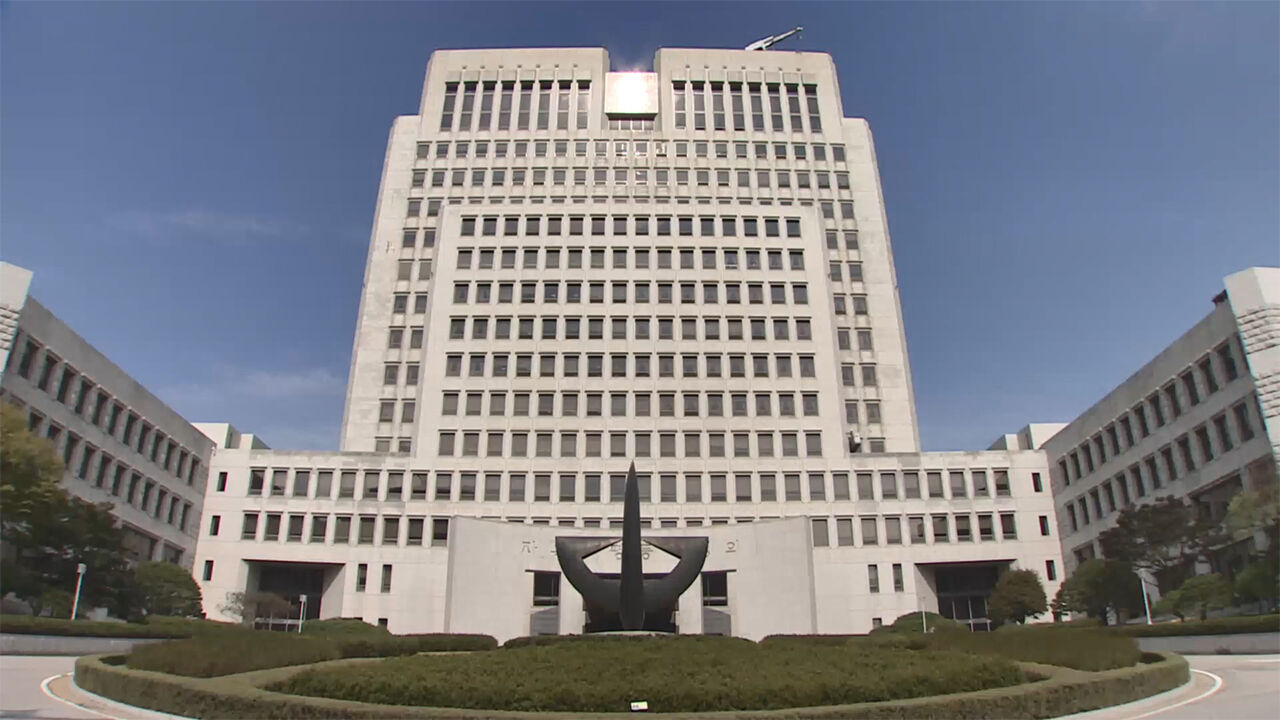
Landlord B appealed against the appellate court's ruling, but the Supreme Court's decision was the same.
For the first time, the Supreme Court ruled on two requirements for recognizing a "justifiable reason" under Article 6-3, Paragraph 5 of the Housing Lease Protection Act: "due to circumstances that the landlord could not have foreseen at the time of the renewal refusal, leasing to a third party must have been unavoidable."
It further stated that the burden of proof regarding the existence of such justifiable reasons lies with the landlord.
The Supreme Court dismissed the appeal, finding no fault with the lower court's judgment that the circumstances claimed by B were foreseeable at the time of the refusal to renew and that leasing to a third party was not unavoidable.
(Photo: Courtesy of Yonhap NewsTV, Yonhap News)
※ Please note: This article was translated by AI and may contain errors.




 Video News
 Video News