
 KOR
KOR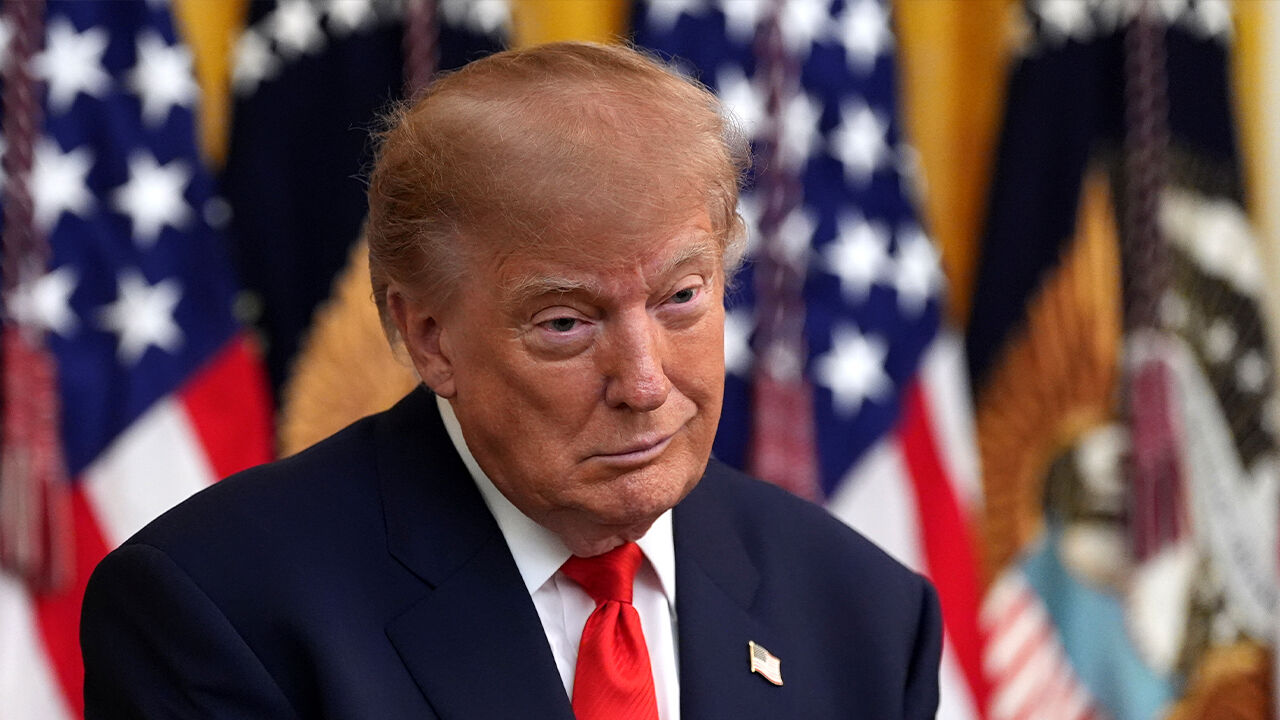
▲ U.S. President Donald Trump
U.S. President Donald Trump announced on the 9th, local time, that he has reached an agreement with Russian President Vladimir Putin to supply large-scale Russian diesel to the U.S. and global markets.
In line with the agreement, the Trump administration announced a temporary easing of sanctions against Russia, permitting the import of Russian diesel into the United States.
The move is seen as an effort to stabilize energy prices by partially lifting sanctions on Russia to calm public discontent over high fuel prices ahead of the November midterm elections.
Writing on Truth Social earlier in the day, President Trump said, "I just had a very successful discussion with President Putin," adding that they agreed Russia will immediately supply over 300,000 tons of diesel fuel to the U.S. and global markets, with an additional 500,000 tons in November and 1 million tons shortly thereafter.
He continued, "Russia will then supply an additional 3 million tons of diesel fuel in the short term, taking into account the condition of its domestic diesel refining facilities."
The total volume of Russian diesel supply announced by President Trump reaches 4.8 million tons.
Trump asserted that global diesel prices will drop rapidly due to the U.S. control of the Strait of Hormuz and the supply of Russian energy.
"Lowering prices for Americans, especially our great farmers, ranchers, and truck drivers, is my top priority," Trump said. "This is a very major and important announcement."
He also emphasized, "They must understand clearly that Iran will never possess nuclear weapons."
The U.S. Department of the Treasury's Office of Foreign Assets Control (OFAC) announced the issuance of a temporary general license permitting the supply of Russian diesel to global markets.
According to documents released by the Treasury Department, import transactions involving the sale, delivery, offloading, and importation of Russian diesel into the United States will be permitted until 12:01 a.m. Eastern Time on April 7 of next year.
The United States has imposed sanctions, including bans on Russian energy imports, following Russia's invasion of Ukraine in 2022.
This latest measure temporarily permits Russian diesel transactions by partially rolling back those sanctions.
Critics point out that by partially easing sanctions on Russia to secure diesel supplies, President Trump's stance of pressuring Moscow over the war in Ukraine may be weakening.
Diesel prices in the U.S. have surged by about 70 percent compared to before the outbreak of the war involving Iran, increasing household burdens and growing dissatisfaction with the Trump administration.
With inflation and energy costs becoming an urgent political crisis for President Trump ahead of the midterm elections, this step is interpreted as an attempt to instill expectations of energy price stability among voters.
(Photo: AP, Yonhap News)
※ Please note: This article was translated by AI and may contain errors.


 Video News
 Video News
 Video News
 Video News
 Video News