
 KOR
KOROn Trial Over a 2,500-Won Snack: A Hellish 1.5 Years

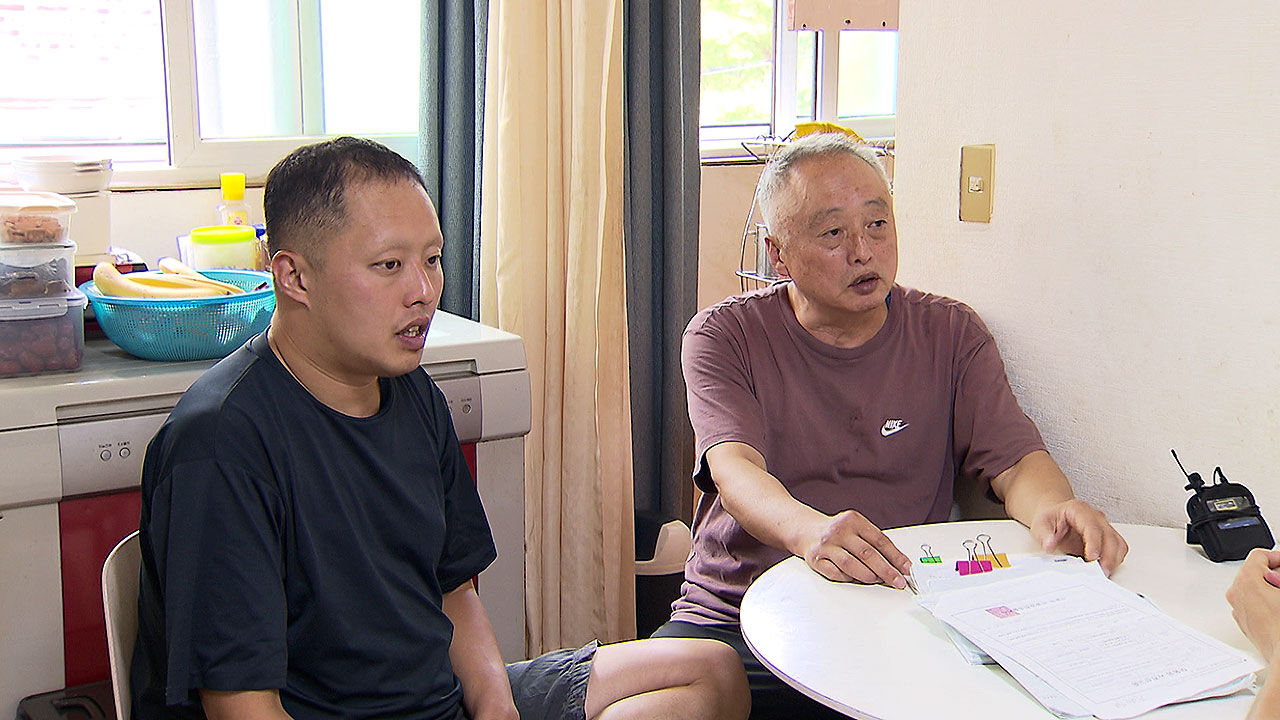
[Kim Deok-jun / Kim Young-sik's father: "They said his IQ is 31. He cannot live a social life on his own and always needs a support worker watching over him. That is his condition; he cannot speak and cannot understand words..."]
The items Kim consumed without paying over three instances were two chocolate bars and one chocolate pie, totaling 2,500 won. At the time, warning signs were posted inside the store stating, "In principle, we do not settle theft cases," and "If a settlement is absolutely necessary, it costs at least 500,000 won."
[Kim Deok-jun / Kim Young-sik's father: "We never thought of it as going somewhere and stealing to eat. The store owner said, 'Then I will not settle.'"]
Even after confirming that Kim is an individual with a severe developmental disability whose intellectual level is remarkably low, the police forwarded the case for theft on the grounds that both sides failed to reach a settlement. The prosecution also handed down a summary indictment seeking a 100,000-won fine rather than suspending prosecution. Faced with a decision pointing toward guilt, Kim's family requested a formal trial.
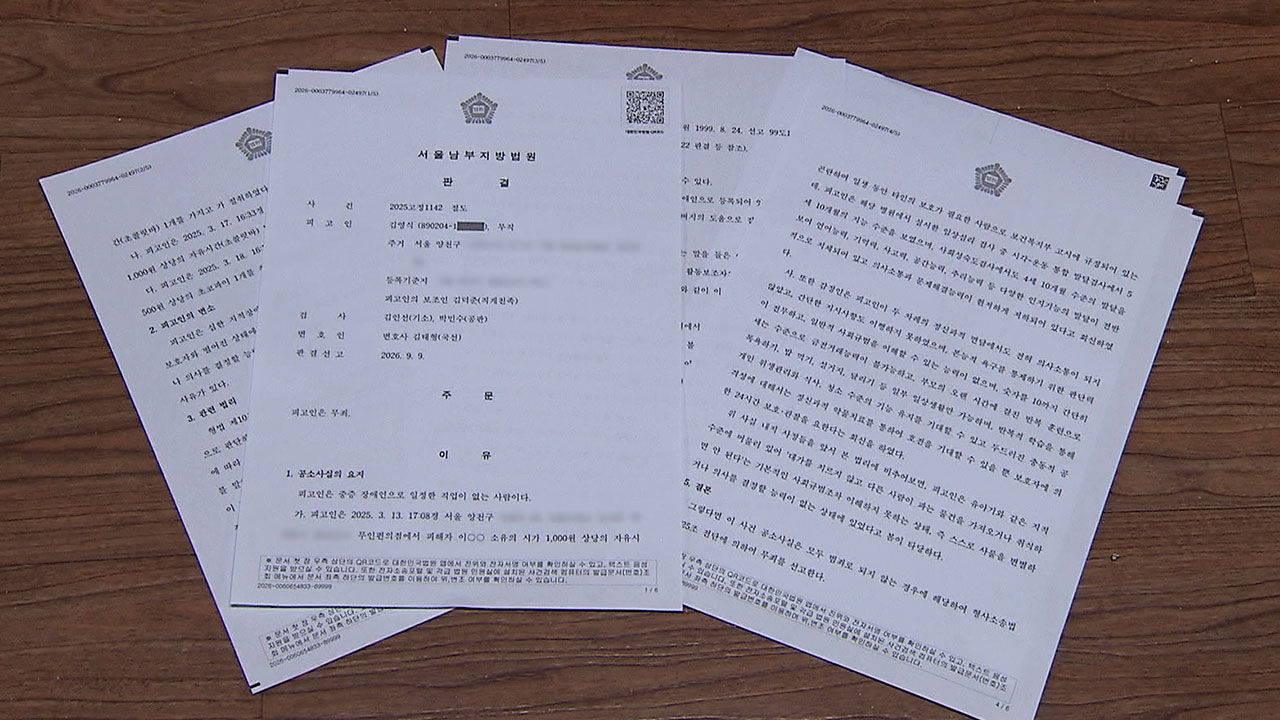
On September 9 of last month, the first-instance court delivered a not-guilty verdict after a year and a half. The court judged that the crime could not be established because Kim, who has the intellectual level of a 4-to-5-year-old toddler, lacked the capacity to make a decision requiring him to pay for the items. Furthermore, the court noted that Kim did not steal the snacks and run away, but rather opened and consumed them right on the spot, which cannot be viewed as a typical method of theft. It also pointed out that Kim could not understand the questions during police questioning and court interrogation, prompting his father to answer on his behalf.
Why Did the Prosecution File a Summary Indictment Pointing to Guilt?
Ongoing Controversy Over Thefts by Individuals with Developmental Disabilities: Is There a Solution?
[Kim Min-young, head of the Gyeonggi Developmental Disabilities Support Center: "Unmanned stores are the most vulnerable places for individuals with developmental disabilities. Incidents like the current one, involving eating without paying, happen from time to time. If anything, the store owner had far too little understanding of this individual with a developmental disability. For minor incidents like this, conditional suspension of prosecution with educational requirements is issued. Simply seeking a sentencing against these individuals holds no significant meaning. The biggest goal is to prevent reoffending. Through such systems, like implementing separate, individualized education so that the person can recognize [their actions]..."]
Back in May of this year, the National Human Rights Commission of Korea also recommended reviewing the current system for investigators dedicated to individuals with developmental disabilities, drawing up measures to enhance expertise, and making them public on a regular basis. In response, the Korean National Police Agency even established special rules concerning the investigation of individuals with developmental disabilities, but disability advocacy groups are criticizing it as a superficial change that lacks specific regulations. Although Kim has been cleared of the stigma of stealing 2,500-won worth of snacks after a year and a half, society's deeper concerns regarding investigations involving individuals with developmental disabilities remain unresolved.
※ Please note: This article was translated by AI and may contain errors.




 Video News
 Video News
 Video News