
 KOR
KOR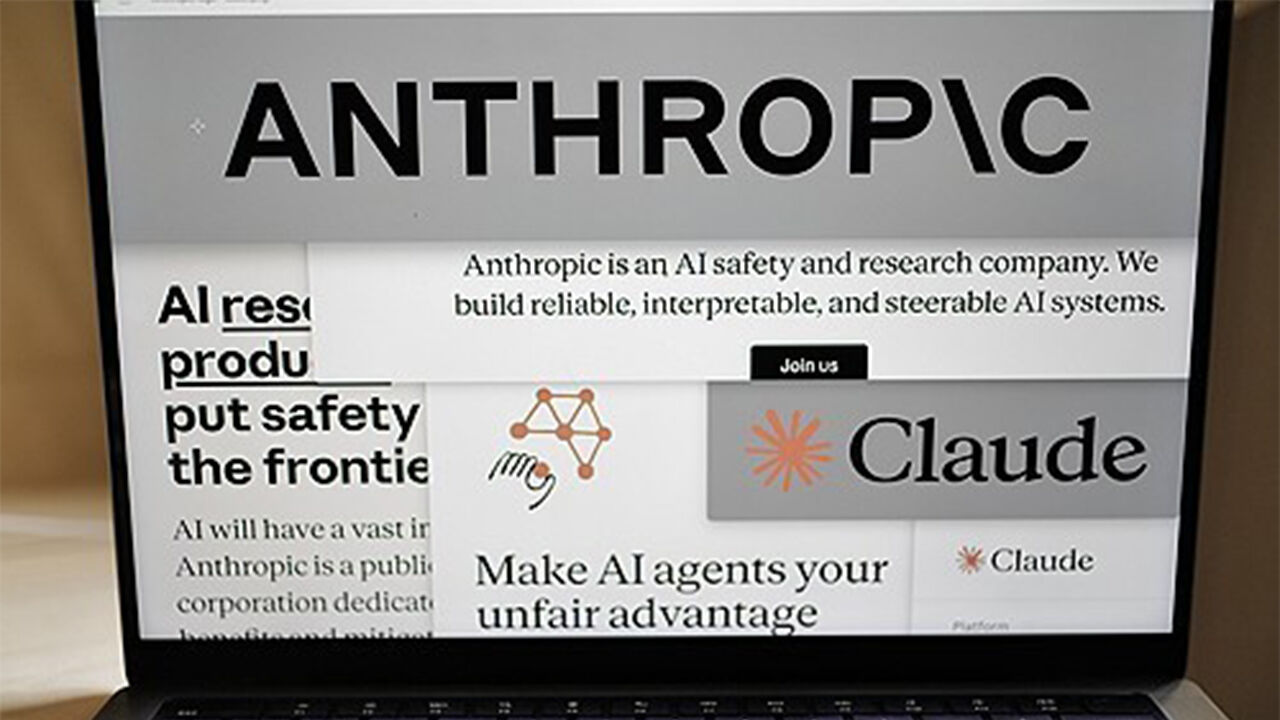
▲ Anthropic Claude
While warnings continue to pour in from the information technology (IT) industry that the rapid advancement of artificial intelligence (AI) will reduce jobs, economists generally appear to disagree with such outlooks.
According to the British daily Financial Times on the 5th, forecasts are emerging one after another from leading AI companies such as Anthropic that AI will significantly decrease employment.
Dario Amodei, Chief Executive Officer (CEO) of Anthropic, warned that due to AI development, the number of entry-level office jobs could plummet by half by 2030, and Microsoft founder Bill Gates also predicted that without proper policies, there will be far fewer jobs about a decade from now.
In response, economists view that while AI may drastically change job types and the benefits of AI advancement might not be distributed equitably, it cannot be forecasted that jobs themselves will decrease simply because of AI.
The newspaper reported that the majority of economists remain skeptical of the IT industry's job reduction forecasts, pointing out that when past automation booms hit, even predictions that "half of U.S. jobs could disappear within 10 years" were ultimately never realized.
Stijn Broecke, who studies the impact of AI on jobs at the Organisation for Economic Co-operation and Development (OECD), said, "(Despite significant AI advancements,) employment rates in most OECD countries remain close to record highs."
According to a survey of 8,000 employers across 13 countries conducted by the OECD, only 10 percent of companies that adopted AI have reduced staff.
Notably, the proportion of respondents who answered that AI was the primary reason for staff reductions stood at just 1 percent.
Researcher Broecke also refuted concerns that AI development would lead to a decline in hiring entry-level workers in tech-related fields.
He emphasized, "The worsening unemployment rate among young college graduates is a long-term trend that has continued since 2015," adding that "various variables must be considered, such as an oversupply of college graduates, an increase in remote work, and high interest rates."
The Yale Budget Lab in the U.S. also assessed that even in the United States, where AI adoption is most vigorous, clear evidence cannot be found that AI is pushing graduates out of jobs.
Luis Garicano, a professor at the London School of Economics (LSE) School of Public Policy, emphasized that "every job consists of a variety of tasks," noting that while some tasks like translation are relatively easy to separate and automate, fields such as nursing or politics are based on interpersonal relationships and are difficult to automate.
(Photo: AP, Yonhap News)
※ Please note: This article was translated by AI and may contain errors.


 Video News
 Video News
 Video News
 Video News
 Video News