
 KOR
KOR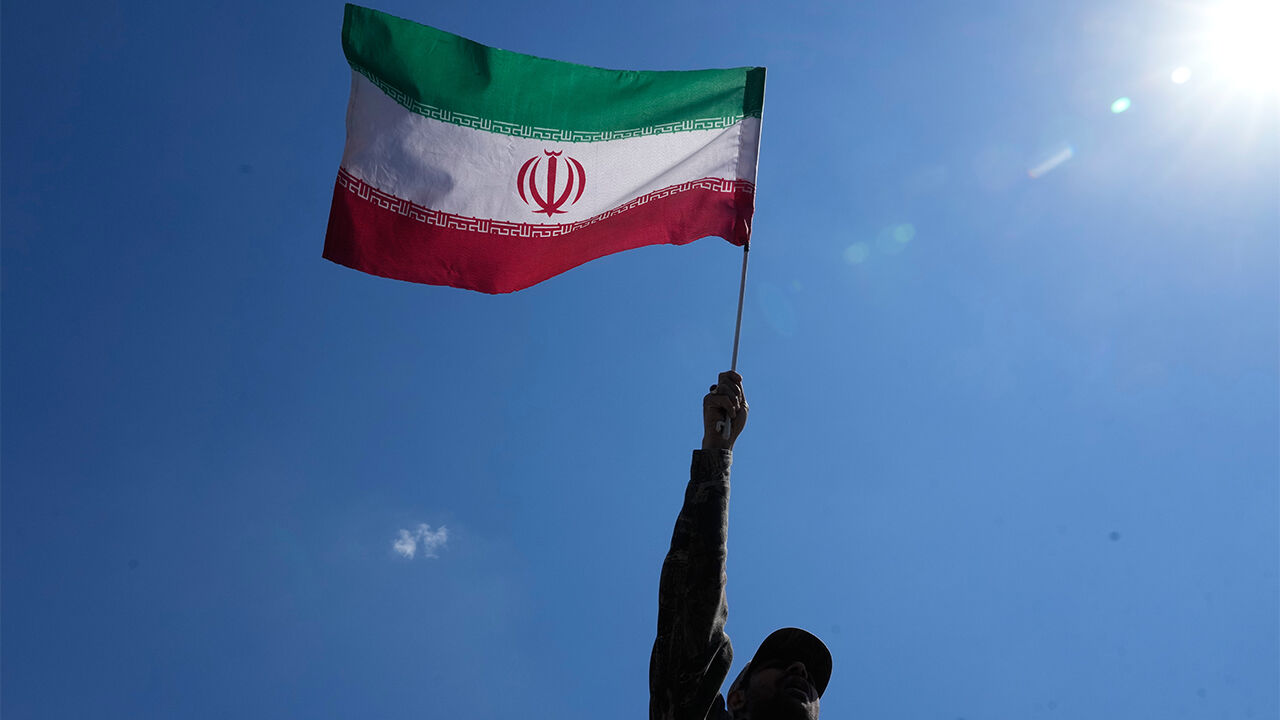
▲ Iranian flag (File photo)
The value of the Iranian rial has plummeted to a record low, exceeding 2.5 million rials per U.S. dollar in the Tehran exchange market.
According to Bonbast, a website that tracks exchange rates in the Iranian market, the rial rose to 2.567 million rials per dollar on the 30th (local time), hitting a record high.
Given that the rial stood at 1.5 million to 1.6 million rials per dollar in mid-to-late February before the war, the value of the rial has plummeted to about one-third over the six months of war.
This month alone, the value of the rial has fallen by about 19%.
The value of the rial has repeatedly broken record lows during the war, putting pressure on the Iranian economy.
The official exchange rate announced by the Central Bank of Iran also hit a record high of 1.742 million rials per dollar as of the 30th.
Reuters pointed out that as U.S. blockades cut off crude oil exports, which are the lifeline of the Iranian government's finances, the lives of Iranian citizens are becoming increasingly difficult as they struggle to afford soaring prices for daily necessities and rent.
It also reported that sources from the U.S., Iran, and the Middle East interpreted that economic pressure was partly behind the diplomatic moves shown by the Iranian government last week.
A woman in her 60s in northern Iran told Reuters, "I live on my husband's government pension and wanted to buy a school bag for my grandson for the new fall semester, but the price was five to six times higher than expected, so I ended up just buying him notebooks and pencils."
While some forecast that Iran's severe economic hardship could lead to protests, Reuters reported that "all Iranians interviewed [via apps] said they have too many daily worries to even think about protests."
The Associated Press commented that the current war has become a battle testing economic endurance, with Iran attempting to pressure the U.S. economy by blocking the Strait of Hormuz to drive up international energy prices, while the U.S. blocks Iran's crude oil exports through a naval blockade.
(Photo: AP, Yonhap News)
※ Please note: This article was translated by AI and may contain errors.


 Video News
 Video News
 Video News
 Video News
 Video News