
 KOR
KOR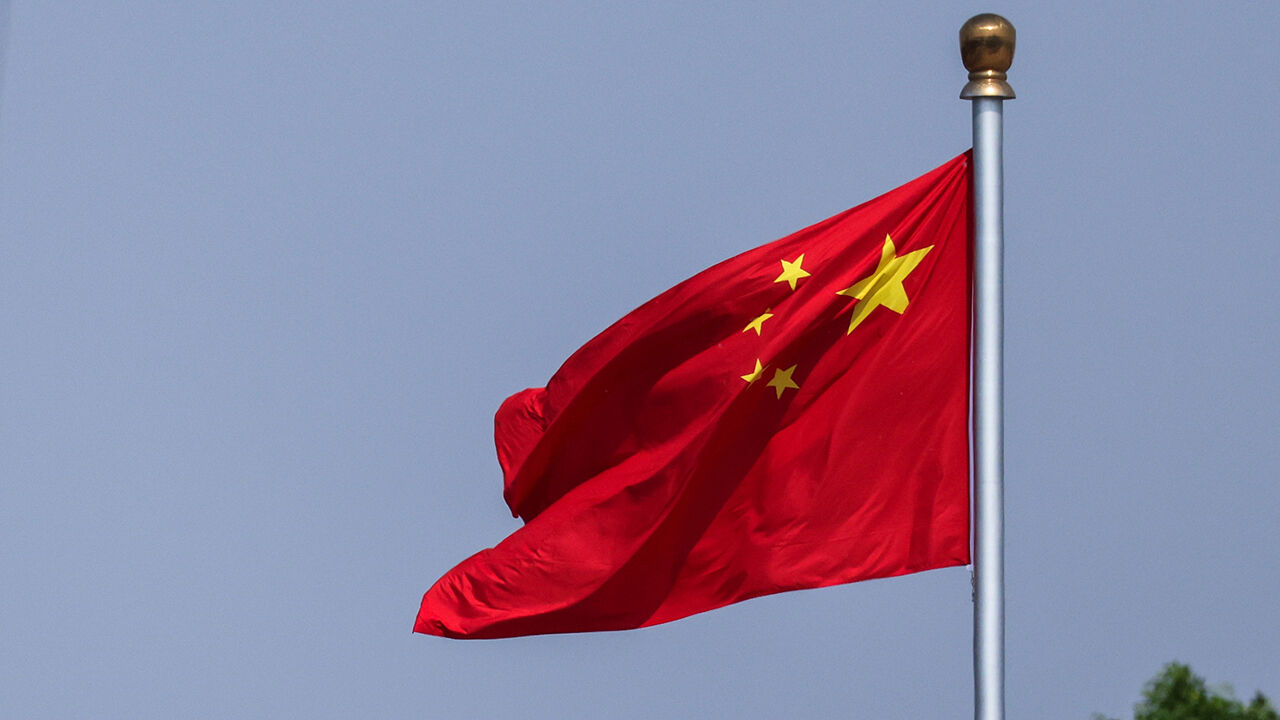
▲ File Photo
Chinese authorities are expanding overseas travel restrictions, which have been applied to key talents in the artificial intelligence (AI) and semiconductor sectors, to their family members such as spouses and children, Bloomberg reported.
According to a report dated the 28th local time, Chinese government agencies recently began notifying some key personnel in the AI and semiconductor sectors of this expanded overseas travel restriction policy.
The targets include well-known startup founders and heads of AI-related strategic companies. In particular, multiple sources reported that family members, including spouses and children of certain AI and semiconductor executives whose work is deemed critical to national security, must also obtain prior approval from Chinese authorities when traveling abroad.
However, Bloomberg added that it remains unclear whether these measures apply to the families of all targeted individuals.
The media outlet also explained that this move further tightens the restrictions that China has applied to the overseas movement of core technology talent in order to block technology leaks.
Previously in May, Bloomberg reported that Chinese authorities were restricting overseas travel for top AI experts from private companies such as Alibaba and DeepSeek.
China has restricted overseas travel for key personnel such as major university researchers, nuclear scientists, and state-owned enterprise executives, and in some cases, has applied similar policies to their families.
However, Bloomberg noted that as China increasingly regards talent in AI and advanced technology sectors as strategic assets, it is expanding the scope of management to include technical personnel in the private sector as well.
It further diagnosed that amidst concerns by Chinese authorities over the outflow of core technologies and talent overseas, regulations have been tightened even more following Meta's recent push to acquire Chinese-founded AI startup Manus.
The Chinese government put the brakes on the deal, stating it would review whether the related transaction fell under the scope of technology export control regulations, and officially ordered the cancellation of the transaction last April.
Subsequently, when Manus announced last month that it would operate in the form of an "independent company," Meta's acquisition attempt was scrapped four months after the Chinese government's cancellation order.
However, Bloomberg explained that it has not been confirmed whether the expansion of overseas travel restrictions for key AI personnel is a measure directly linked to the Manus acquisition case.
It also pointed out that Chinese authorities have made preventing technology leaks a major policy objective, and Chinese AI engineers who want to go abroad may find themselves in a situation where they have to choose early in their careers whether to stay in China or leave for overseas.
Separately, new immigration management regulations took effect in China on the 15th, allowing authorities to restrict the departure of Chinese nationals who violate export control or technology import and export management regulations and risk harming national industrial and technological security.
(Photo: AP, Yonhap News)
※ Please note: This article was translated by AI and may contain errors.


 Video News
 Video News
 Video News
 Video News
 Video News