
 KOR
KOR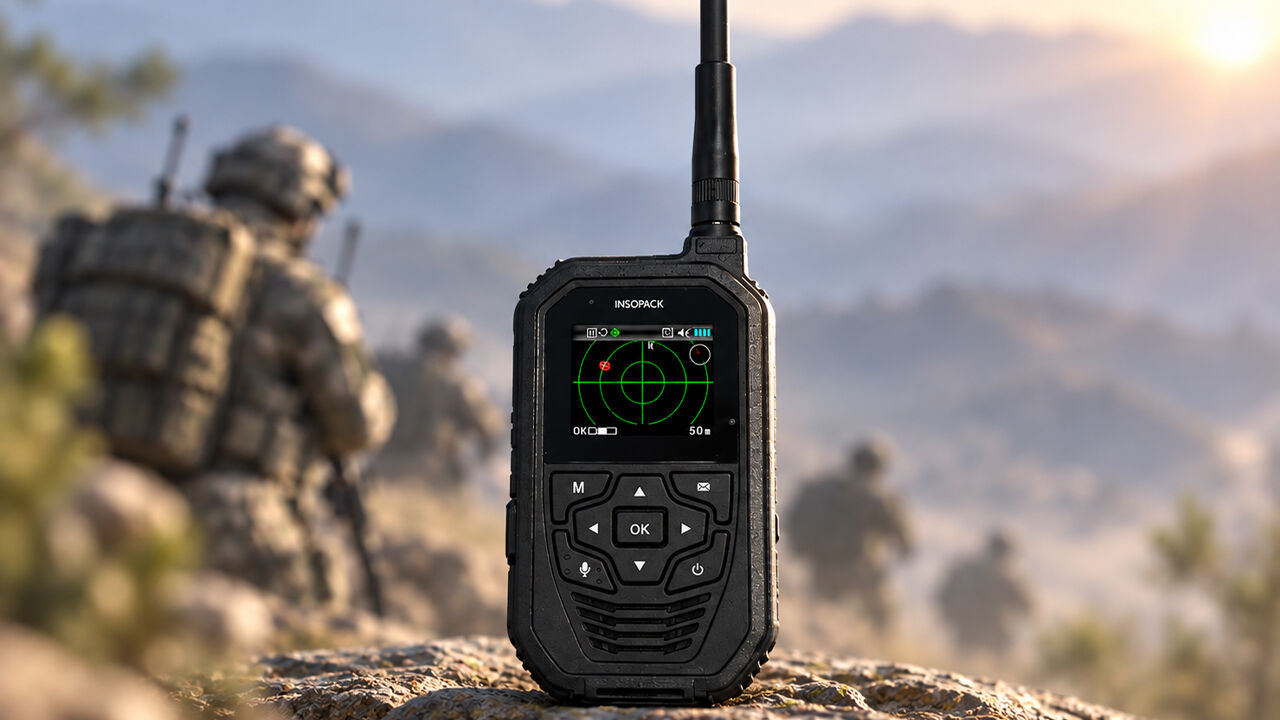
What DAPA is targeting are three out of some 800 types of components used in the combat radio. Company A maintains, "We notified DAPA that three components whose supply was cut off due to the COVID-19 pandemic inevitably had to be replaced with alternatives." There is also evidence supporting this. The three replacement parts have been recognized as offering equivalent or superior performance, and have been confirmed to pose no backdoor vulnerabilities. Company A also did not cancel its orders for the original U.S.-made and Swiss-made parts specified in the design, and still shoulders those U.S. and Swiss components as burdensome dead inventory.
Company A's Phase 2 combat radio has an established reputation for strong performance. Despite these circumstances, DAPA is clinging to the country of origin of the replacement components, which is not even stipulated in the regulations. Moreover, allowing only two business days, DAPA is pressuring Company A to make a decision, demanding that it "restore the radios to the original design." These seem to be misunderstandings that could easily be cleared up if Company A were allowed to provide a detailed explanation, yet DAPA has closed its eyes and ears. Would DAPA act this way if Company A were a conglomerate? Whispers are circulating that an outside force may be at work within DAPA.
COVID-19 Pandemic and Supply Chain Paralysis
Subsequently, the South Korean agencies for the U.S. and Swiss parts presented alternatives. Company A obtained samples from the agencies and verified their performance. They were evaluated as offering performance equal to or exceeding that of the U.S. and Swiss parts. Company A explained, "Although the replacement parts are manufactured in China, we confirmed that they are not subject to U.S. Federal Communications Commission (FCC) sanctions or regulations, and that they contain no backdoors," adding, "We shared these facts with DAPA."
While searching for alternatives, Company A also did not stop its efforts to secure the original U.S.-made and Swiss-made parts. Even though supply prospects remained murky due to the pandemic, it placed orders for the original parts in February and May 2022. Frustratingly, most of the U.S. and Swiss components arrived only after mass production for the Phase 2 combat radios had already concluded. A Company A official protested, "DAPA unreasonably claims that we used cheap replacement parts just to make money, but if that had been our intention, why would we have spent hundreds of millions of won to secure the original components as well?"
The Truth Behind the Meeting on August 2, 2022
Can this claim by Company A be substantiated? It has been confirmed that Company A retains the original records of that August 2, 2022 DAPA meeting. After the meeting, an employee in charge drafted the minutes around 8 p.m. and saved them on a secure business computer. The minutes clearly specified the application of replacement parts with equivalent or superior performance as well as the delivery schedule.
DAPA is making threats, claiming that "Company A swapped out the parts without DAPA's knowledge." Rather than relying on mere words, DAPA should also produce evidence, such as its own records from the August 2, 2022 meeting. Because this was a critical meeting for introducing combat radios responsible for individual soldiers' wartime communications, drafting minutes should have been common sense. Does a record of that August 2, 2022 meeting exist at DAPA?
Demanding a "Major Decision" Without Even Giving Time to Review
Above all, Company A's combat radios have received high praise from frontline units. Among the 15,000 radios delivered since May 2023, zero defects have been reported to date. This is a rare record among military equipment. Recent investigations by the Defense Counterintelligence Command and the National Intelligence Service also revealed no backdoors in the replacement parts of Company A's radios. A key DAPA official admitted, "Everyone knows that Company A's radios perform well," adding, "The defect warranty period also expired several months ago."
Nevertheless, on the afternoon of September 22, DAPA sent an official letter to Company A demanding, "Respond by September 29, 2026, regarding follow-up measures for Phase 2 of the combat radio project." "Follow-up measures" mean restoring the three replacement parts to the original design components. While it may be called just three parts, this is essentially a massive undertaking tantamount to completely rebuilding all 15,000 units from the circuit boards to the software.
Furthermore, because the four-day Chuseok holiday falls between the dispatch of DAPA's letter and Company A's response deadline, Company A has only two business days to respond. This is no different from coercing the company to make a monumental decision that could shake its very existence in just two days. Would DAPA have pressed so ruthlessly if Company A were a large corporation?
DAPA Pours Full Energy into a Small Project Amid Many Large Ones

With this degree of attention, one would expect him to listen to the perspective of the company, a key stakeholder. However, no one at DAPA responded to Company A's appeals, in which it asked to "explain the situation" and requested a meeting. Murmurs suggest this is a typical phenomenon seen when an improper external force acts upon DAPA.
On September 14, DAPA did not include the end-user military branches in a video conference regarding the combat radios. It appears as though DAPA is orchestrating something entirely on its own. The agency's characteristic insularity, an enduring companion to its missteps, seems to be rearing its head again. SBS will not stop here and will continue to uncover DAPA's questionable conduct surrounding the combat radios in upcoming reports.
※ Please note: This article was translated by AI and may contain errors.


 Video News
 Video News


 Video News