
 KOR
KOR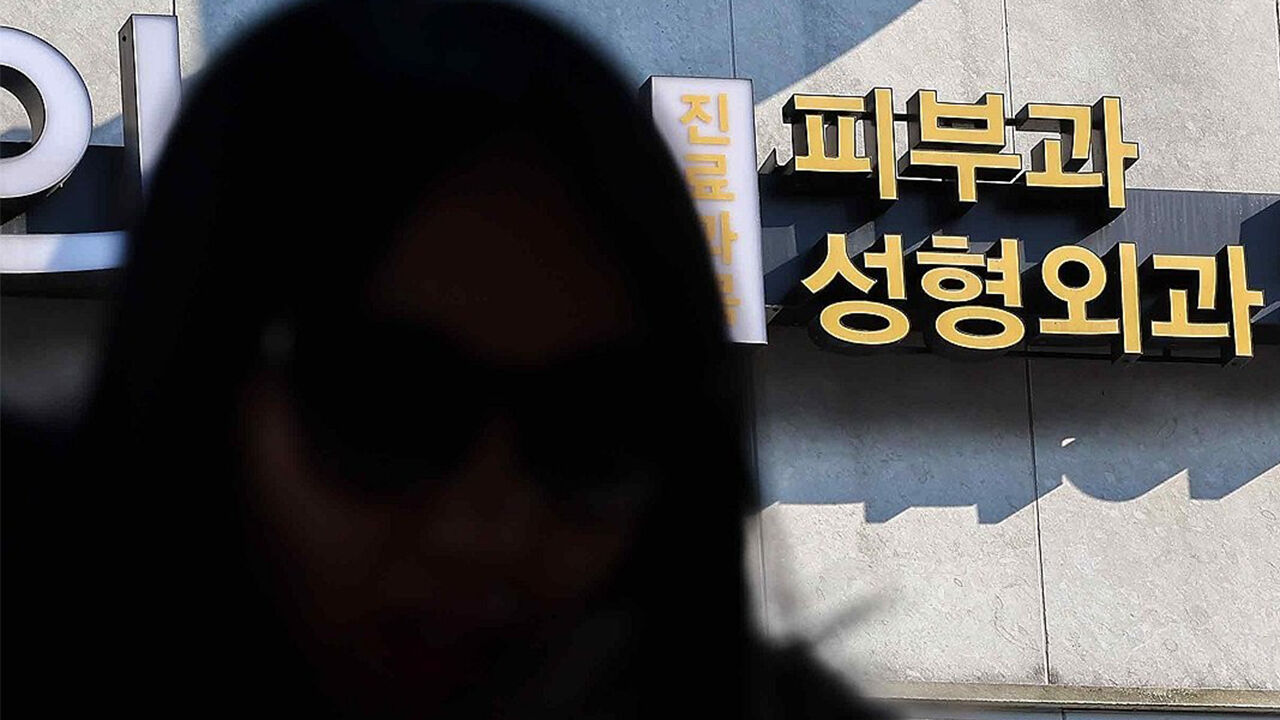
▲ A clinic promoting dermatology and plastic surgery as its medical departments
A medical research study has shown that the number of general practitioners (GPs) working in dermatology increased during the process of medical resident mass resignations and subsequent returns amid the 2024 standoff between doctors and the government.
In particular, the number of dermatology general practitioners remained significantly higher than before the medical conflict even after the trainee doctors returned to their training hospitals.
The number of general practitioners working at clinics registered with dermatology as their medical department stood at 571 before the medical conflict, but rose to 1,022 in March of this year.
This trend was confirmed after a research team led by Professor Lee Sang-kyu of the Department of Preventive Medicine at Yonsei University College of Medicine analyzed changes in the distribution of general practitioners before and after the mass resignations of trainee doctors, based on data from the Health Insurance Review and Assessment Service (HIRA) from December 2022 to March 2026.
The research findings were published in the Journal of Korean Medical Science (JKMS) last month (August).
Previously, when the government announced plans in February 2024 to increase medical school admissions by 2,000 seats, trainee doctors protested by submitting mass resignations from their training hospitals.
Although a significant portion of resident doctors returned to their training in September of last year, the prolonged medical conflict has substantially reshaped South Korea's medical workforce landscape.
The number of trainee doctors working at training hospitals plummeted by 90.7% from 13,001 in December 2023, just before the medical conflict, to 1,208 in December 2024.
Over the same period, general practitioners working at medical institutions other than training hospitals increased by 64.8%, rising from 5,557 to 9,157.
General practitioners working at clinic-level medical institutions rose from 3,915 in December 2023 to 6,436 in December 2024, and further increased to 7,098 in June 2025.
The number subsequently decreased as the return of trainee doctors gained momentum.
By medical department, the increase in general practitioners working at dermatology clinics was particularly notable.
Even without a specialist qualification, general practitioners can open a clinic and provide treatment by registering departments such as dermatology.
The number of general practitioners at dermatology clinics increased from 571 in December 2023 to 1,051 in December 2024, and reached 1,285 in June of last year.
As of March of this year, the figure stood at 1,022, which is 1.8 times the size recorded in December 2023 before the medical conflict.
General clinics showed a similar trend.
General practitioners at general clinics increased from 2,376 in December 2023 to 2,808 in December 2024, and further rose to 3,049 in June of last year.
Even in March of this year, the number remained at 2,618, which was 242 higher than before the medical conflict.
In contrast, the post-return increase in general practitioners dropped sharply in internal medicine, orthopedic surgery, and plastic surgery.
The number of general practitioners in internal medicine rose from 232 in December 2023 to 575 in June of last year, before dropping to 278 in March of this year.
Orthopedic surgery (from 62 to 341 to 124) and plastic surgery (from 137 to 292 to 196) followed a similar pattern over the same period.
Otolaryngology saw its numbers rise from 37 to 144 before falling back to 38, returning to pre-medical conflict levels.
The research team stated, "While the number of general practitioners decreased across most medical departments as residents returned in September 2025, dermatology and general clinics maintained a substantial portion of the increase gained during the medical conflict period."
They added, "Due to the characteristics of HIRA data, which tallies the total number of general practitioners rather than individual doctors, it is not possible to directly verify whether the increased general practitioners are resigned resident doctors," while noting that "the timing and scale of the changes align, suggesting a strong correlation."
(Photo: Yonhap News)
※ Please note: This article was translated by AI and may contain errors.


 Video News
 Video News


