
 KOR
KOR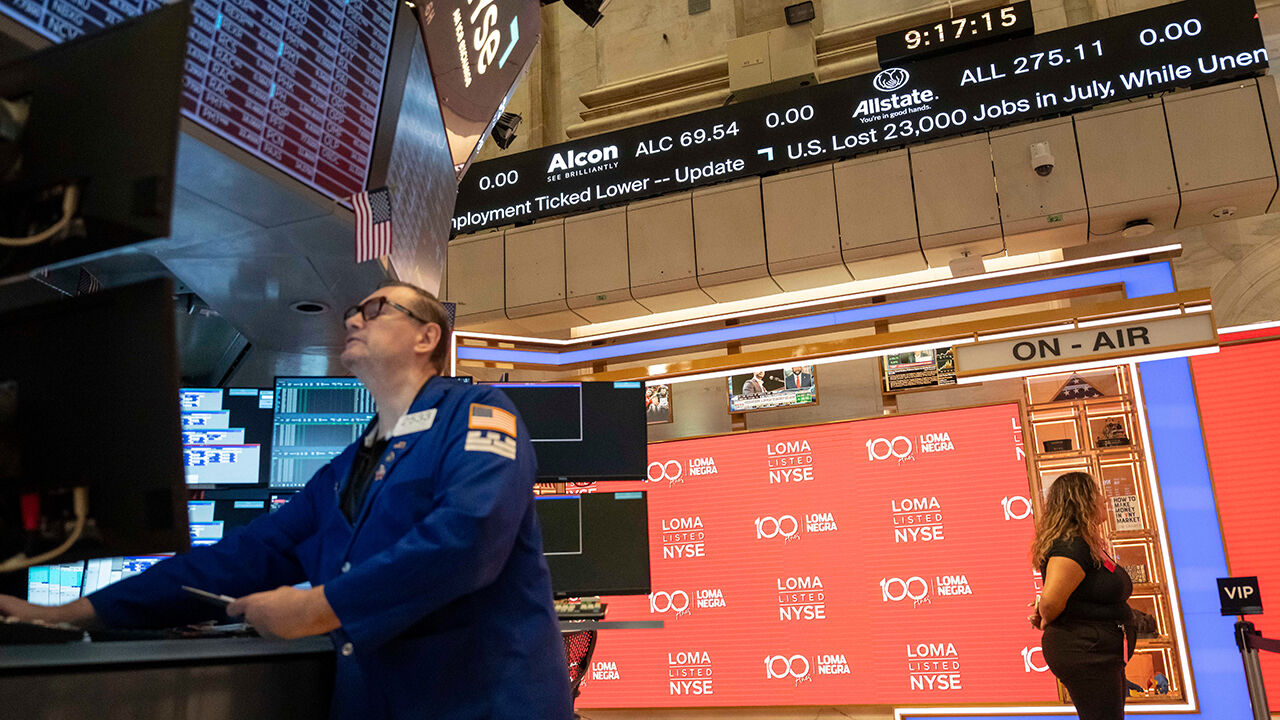
▲ New York Stock Exchange
Experts have warned that South Korea must remain vigilant against the possibility that rising U.S. long-term Treasury yields could spill over into domestic interest rate hikes, a weaker won, and a sluggish stock market driven by foreign capital outflows.
Kang Hyeonju, a senior research fellow at the Korea Capital Market Institute, made the remarks in a recently published report titled "Structural Background and Implications of Rising U.S. Long-Term Treasury Yields."
The yield on 10-year U.S. Treasuries, which serves as the global benchmark for interest rates, has been hovering around the 5% mark, widely considered a psychological resistance level.
The driving factors behind this trend include rising inflation fueled by soaring international oil prices from prolonged wars, increased bond issuance by major AI companies, the weakening safe-haven status of U.S. Treasuries, and reduced communication from the U.S. Federal Reserve.
This surge in U.S. Treasury yields has spilled over not only to Europe and Japan but also to South Korea, where the yield on 3-year Treasury bonds has continued to stay above the 4% level.
Kang pointed out that such increases in Korean Treasury yields could lead to heavier burdens on the private sector.
The explanation is that long-term domestic Treasury yields are already heavily influenced by internal factors, such as the expanded supply of ultra-long-term bonds and a weakening purchasing base among insurers, and could rise further with external pressures compounding the issue.
Furthermore, Kang noted, "Because Korean Treasury yields serve as the benchmark for bank bonds and corporate bonds, rising long-term rates lead to increased financing costs for the private sector. If risk aversion deepens and widens credit spreads as well, the burden will grow even larger," adding, "For household loans with a high proportion of variable rates, this kind of interest rate hike can rapidly translate into heavier interest burdens."
Kang also projected that the rise in interest rates would trigger a weakening of the South Korean won.
Recently, an unusual combination of rising U.S. Treasury term premiums and a weaker dollar caused the won-dollar exchange rate, which had once surged to around the 1,550 won level, to drop to the 1,340 won range.
However, Kang diagnosed that while the pathway of strengthening the won through a weaker dollar has been dominant so far, a sharp adjustment in the U.S. Treasury market could escalate into wider financial market instability. This could drive global risk aversion and depreciate the won, potentially reversing the exchange rate trend.
In addition, Kang pointed out that during periods of rising interest rates, growth stocks relying heavily on future cash flows are more vulnerable to the impact of rising discount rates, which could act as a burden on the domestic stock market.
Citing an actual example, Kang noted that on September 19, a sharp spike in U.S. long-term Treasury yields caused the Kospi to plunge by 5.8%, triggering a sell-side sidecar.
"If further increases in U.S. long-term rates lead to adjustments in the U.S. stock market, we must be mindful of the possibility that it could spill over into the domestic stock market through dampened risk appetite and foreign capital outflows," Kang said.
(Photo: AP, Yonhap News)
※ Please note: This article was translated by AI and may contain errors.



 Video News

 Video News
 Video News