
 KOR
KOR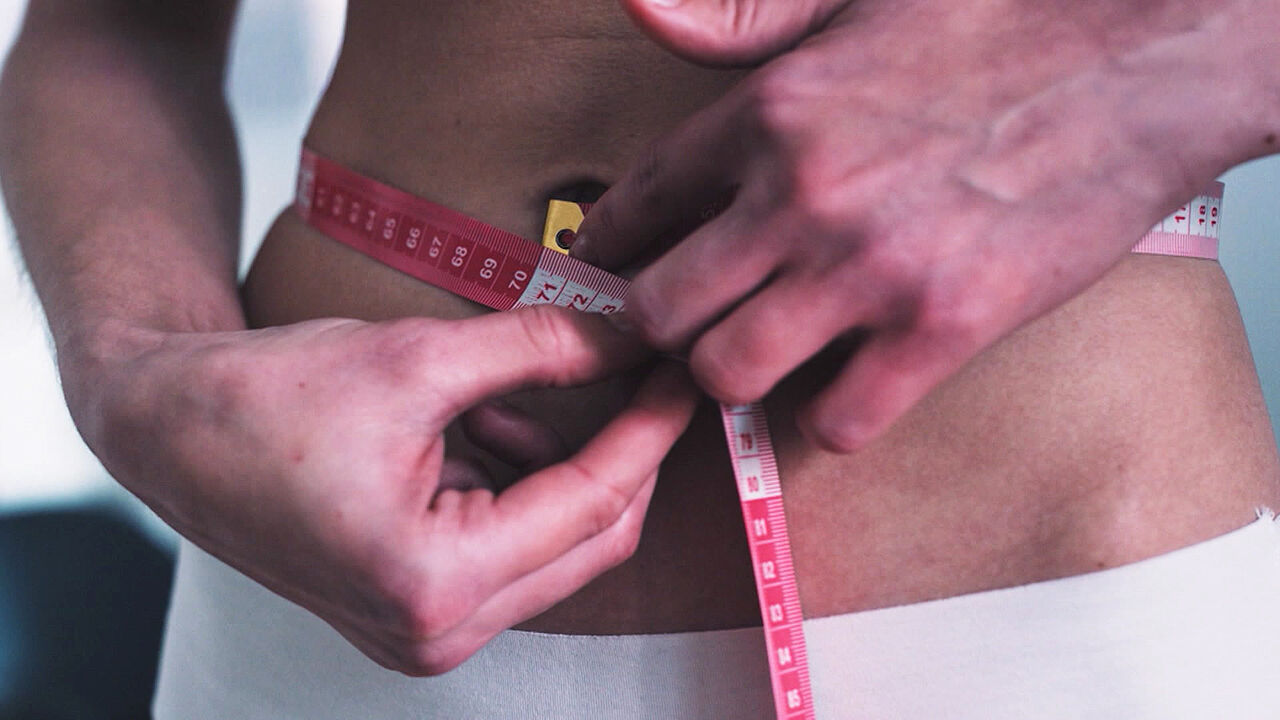
▲ Measuring waist size with a tape measure (File Photo)
Ahead of the Chuseok holiday, many people worry about gaining weight from holiday foods.
This is because people are more frequently exposed to high-calorie foods like galbi, japchae, and tteok during the holiday than usual, and lifestyle patterns change, such as reduced physical activity and eating late-night snacks, creating an environment where weight gain easily occurs.
Because of this, some people fast in advance to lighten their bodies before the holiday or plan to starve for a few days after the holiday ends. However, the medical community advises that long-term management is more important than repeating such weight control methods.
According to the medical community on September 23, many people report gaining about 1 to 2 kg after the Chuseok holiday, but the increased weight is not entirely body fat.
Consuming more carbohydrates and sodium than usual increases glycogen and water in the body, and combined with the weight of the consumed food, the numbers on the scale can jump significantly in a short period.
Rather than hastily reducing food intake or starving just because of a higher scale reading, it is advisable to return to your regular diet and activity patterns and monitor weight changes for a few days.
In particular, one should be cautious about drastically limiting food intake before the holiday to lose weight in advance or out of the mindset that you must "work off as much as you ate" after it ends.
During the holiday, rather than excessively restricting food, regulating the amount and frequency of what you eat is a realistic approach.
Instead of eating large amounts of various foods all at once, it is better to take moderate portions of the foods you want to eat, eat them slowly, and include foods containing vegetables and protein.
Rather than completely banning pancakes, fried foods, or desserts, reducing the portion size consumed at one time is more practical to implement.
Habitual snacking or drinking beverages should be restrained.
Even if you have eaten enough, mindlessly eating snacks, fruits, or beverages repeatedly while chatting can lead to consuming far more calories than expected.
After a meal, taking a light walk and talking with family, or walking short distances, is also helpful.
Professor Kwon Young-keun of the Obesity and Metabolic Syndrome Center at Korea University Anam Hospital said, "During Chuseok, you may encounter a greater variety of foods than usual, leading to increased food intake, but there is no need to completely avoid food or repeat weight control methods like starving before and after the holiday out of guilt for eating a lot." He added, "After the holiday ends, the priority is to naturally return to your regular diet and activity patterns."
He further noted, "Obesity is not a disease that ends by reducing weight in a short period, but a metabolic disease that requires continuous management," adding, "It is important to maintain the lost weight over the long term using customized treatment methods tailored to individual conditions, while managing metabolic health and muscle mass together."
※ Please note: This article was translated by AI and may contain errors.


 Video News
 Video News

 Video News
![An Se-young Shares Her Thoughts with a Smile After Mistake: "I Need to Exercise Restraint" [Sports Mug]](http://img.sbs.co.kr/newimg/news/20260923/202225276_300.jpg) Video News
Video News