
 KOR
KORAt major international multi-sport events like the Olympics or Asian Games, bringing outside food into the athletes' village is generally strictly prohibited due to doping and hygiene concerns. However, our reporting team checked the site and found that delivery food was blatantly making its way into container accommodations. Amid this, sloppy event management is triggering a flood of complaints from delegations of various countries.
Our local reporter Yu Byeongmin has the details.
[Reporter]
In past international multi-sport events, athletes have traditionally had their meals at dining halls located inside the official athletes' village.
To prevent food poisoning and address doping concerns, bringing in outside food has generally been strictly controlled.
However, at this competition's container accommodations, where athletes have been voicing discomfort over poor facilities, "delivery food" is being permitted.
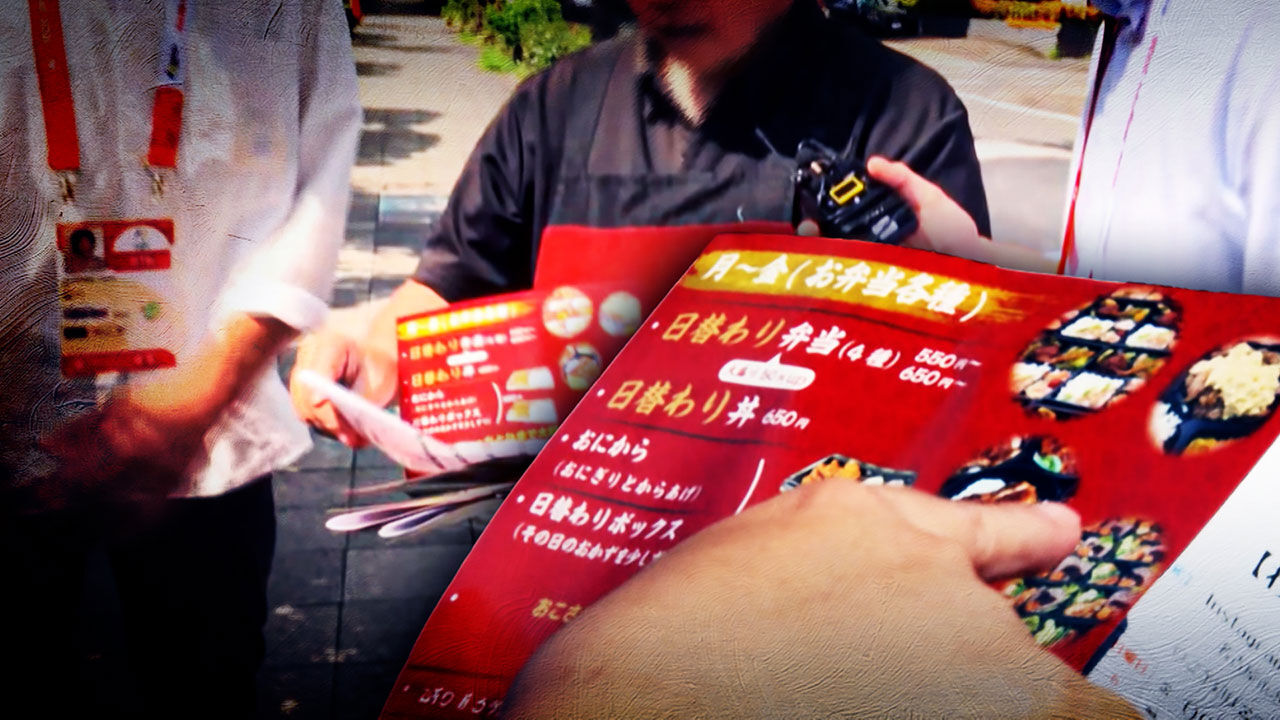
I am standing right by the side gate of the container athletes' village.
As you can see, right next to the door, it is labeled as a pickup spot for food and courier services, and a place to receive food deliveries.
[Lunch Box Company Employee: Orders come in every morning by phone. We prepare a different menu every day.]
Speculation arises that the organizing committee may have come up with this as a last resort because the meals provided at the container accommodations fall short of athletes' expectations.
Aside from this, complaints from delegations of various countries are erupting day by day over the disorganized and unusual event management.
Following an incident the day before yesterday (September 15) where a bus carrying the men's national football team headed to a baseball stadium instead of a football pitch, delaying the match kickoff, the rowing national team that departed yesterday morning had to wait over an hour for immigration screening, and then waited another two hours to receive their AD cards.
With no bus assigned afterwards, they ended up paying 51,000 yen—about 450,000 won—for a taxi, passing by the rowing venue to arrive at the cruise athletes' village.
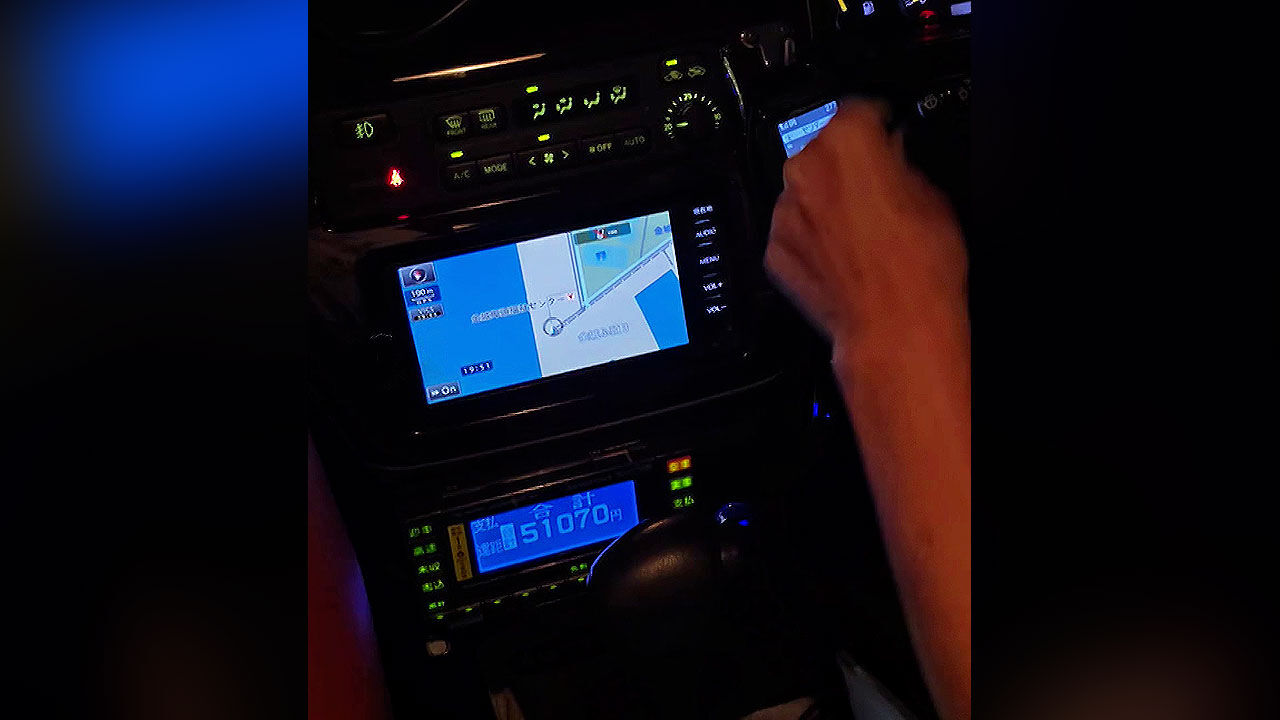
Even after arriving, they had to wait quite a while longer before rooms were assigned.
[Kang Woo-gyu / Nagoya Asian Games Rowing National Team Member: We weren't registered on the athlete's village roster, so I think we had to wait outside the cruise ship for about another hour to get registered.]
Chinese media outlets also reported that Chinese athletes were stranded at the airport, waiting for six hours while drinking only water, and barely managed to leave the airport using alternative transportation.
Concerns are rising that the organizing committee's operational policy, focused solely on cost-cutting, might negatively affect the athletes' performance.
(Video Reported by Kim Se-kyung and Yang Yun-chul | Video Edited by Lee So-young | Video Provided by Kang Woo-gyu)
※ Please note: This article was translated by AI and may contain errors.


 Video News
 Video News
 Video News
 Video News
 Video News