
 KOR
KOR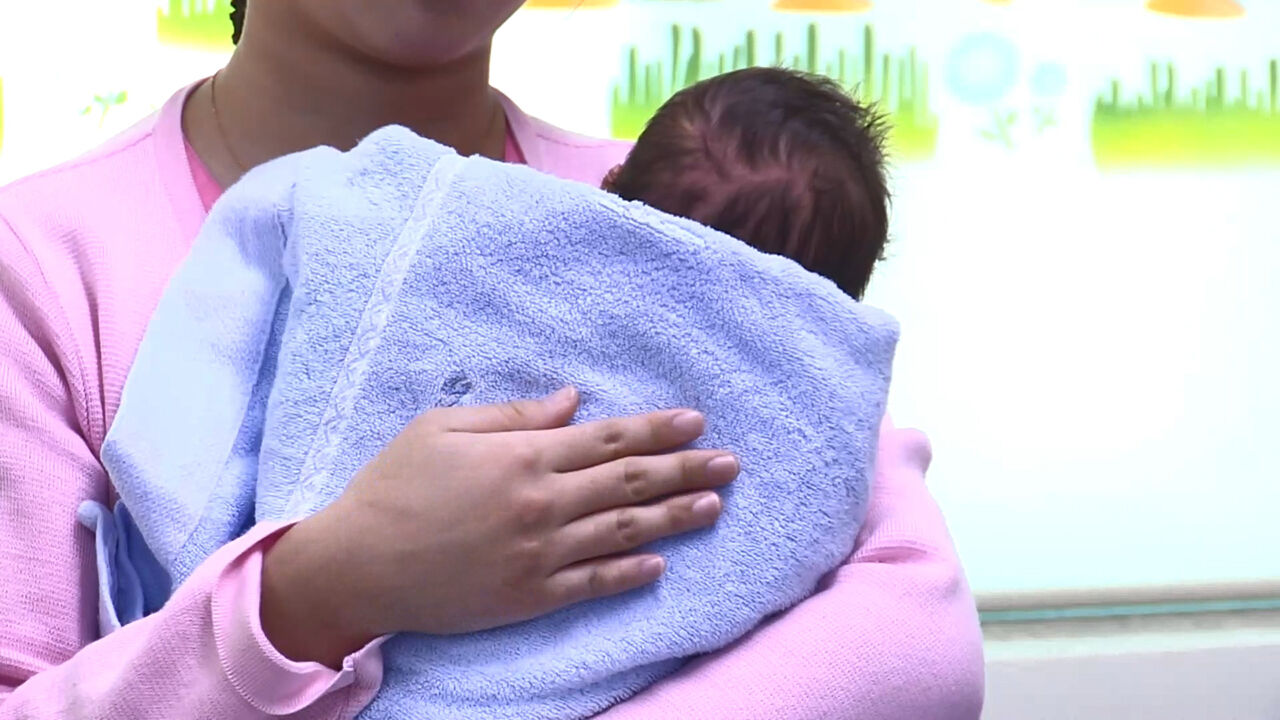
▲ Postpartum care center
As Gyeonggi Province decided to suspend its postpartum care subsidy program at the end of this month due to financial difficulties, local cities and counties are reportedly reviewing plans to continue the program using their own budgets.
According to Yonhap News coverage on September 17, the Gyeonggi Province postpartum care subsidy program provides 500,000 won worth of local currency to households with newborns, with the budget split evenly between the province and local municipalities.
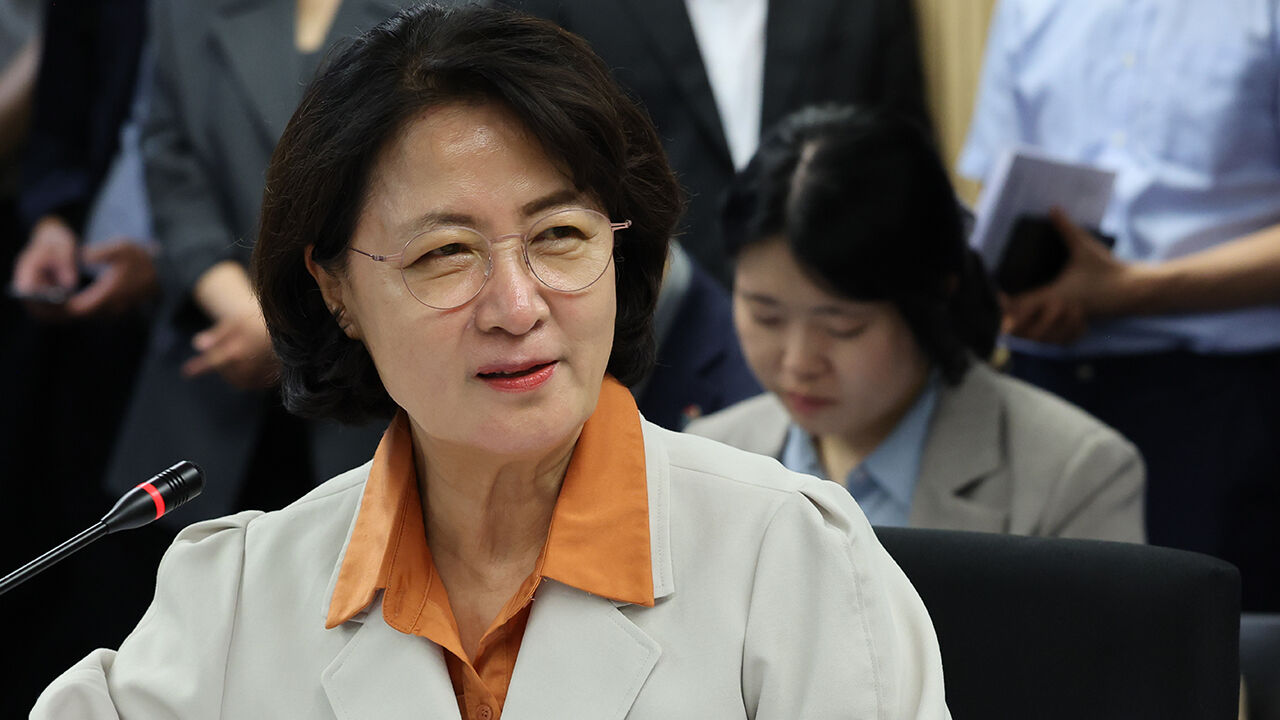
Governor Choo Mi-ae recently decided to suspend the program at the end of this month, citing that the budget for the program was initially allocated for only nine months and that there are no financial resources to cover the remaining three months due to fiscal constraints.
In response, as complaints from households with newborns continue, local cities and counties are considering maintaining the program with their own budgets as a last resort.
Hwaseong is currently formulating a plan to fully fund postpartum care subsidies for households giving birth in the fourth quarter (October to December) this year using city funds.
The leading plan under review is to first reflect the fourth-quarter postpartum care subsidy budget in next year's main budget and then provide retroactive support to the affected households early next year.
Estimating that the number of newborns in the city will exceed 10,000 this year, the city calculates that the fourth-quarter postpartum care subsidy budget will amount to approximately 1.5 billion won.
However, such retroactive support plans must undergo deliberation and finalization by the city council during the year-end main budget review.
An official from Hwaseong said, "Support for households with newborns will increase further next year, but households giving birth in the fourth quarter of this year will not receive those benefits nor the 500,000 won postpartum care subsidy." They added, "Considering fairness, we are exploring various ways to ensure that postpartum care subsidies are provided to households giving birth in the fourth quarter as well."
Siheung, Uiwang, and Seongnam plan to maintain their existing independent city-funded programs providing 500,000 won in postpartum care subsidies, separate from the provincial program, to minimize any welfare vacuum felt by citizens.
Siheung and Uiwang provide 500,000 won to households with newborns registered within their jurisdictions, while Seongnam provides 500,000 won to households with newborns whose median income is 80% or lower.
Pyeongtaek has decided to provide postpartum care subsidies using its own budget starting next year and is preparing to enact the Pyeongtaek City Postpartum Care Subsidy Support Ordinance to establish a legal basis.
This program was originally designed for the city to add 100,000 won worth of local currency to the province-backed subsidy, but with the termination of the provincial support program, the scale of the city's subsidy may be partially adjusted.
Gwangju in Gyeonggi Province also plans to provide 500,000 won per person in postpartum care subsidies to households with newborns residing in the city starting next year, provided that the Pregnancy and Childbirth Support Expansion Ordinance currently undergoing legislative notice is finalized.
However, in the cases of Pyeongtaek and Gwangju, even if the ordinances pass without issues, the subsidies will only take effect next year, making fourth-quarter households ineligible for the benefits.
An official from a local government in the province said, "Gyeonggi Province is not only halting the postpartum care subsidy but also suspending or adjusting the budget-sharing ratio to 3 to 7 for four maternal and child health programs, including the postpartum and newborn health care support program (postpartum helpers), medical expense support for suspended fertility treatments, and Gyeonggi Province's frozen oocyte treatment cost support, placing an excessive financial burden on cities and counties." They added, "Protest calls from citizens are flooding into public health centers across cities and counties."
Another local government official explained, "Since support budgets are being abruptly cut within the fiscal year, we are exploring various ways to provide relief for households giving birth between October and December." They added, "However, establishing short-term budgets and providing support at the end of the year is realistically not an easy situation."
(Photo: Yonhap News)
※ Please note: This article was translated by AI and may contain errors.



 Video News
 Video News

