
 KOR
KOR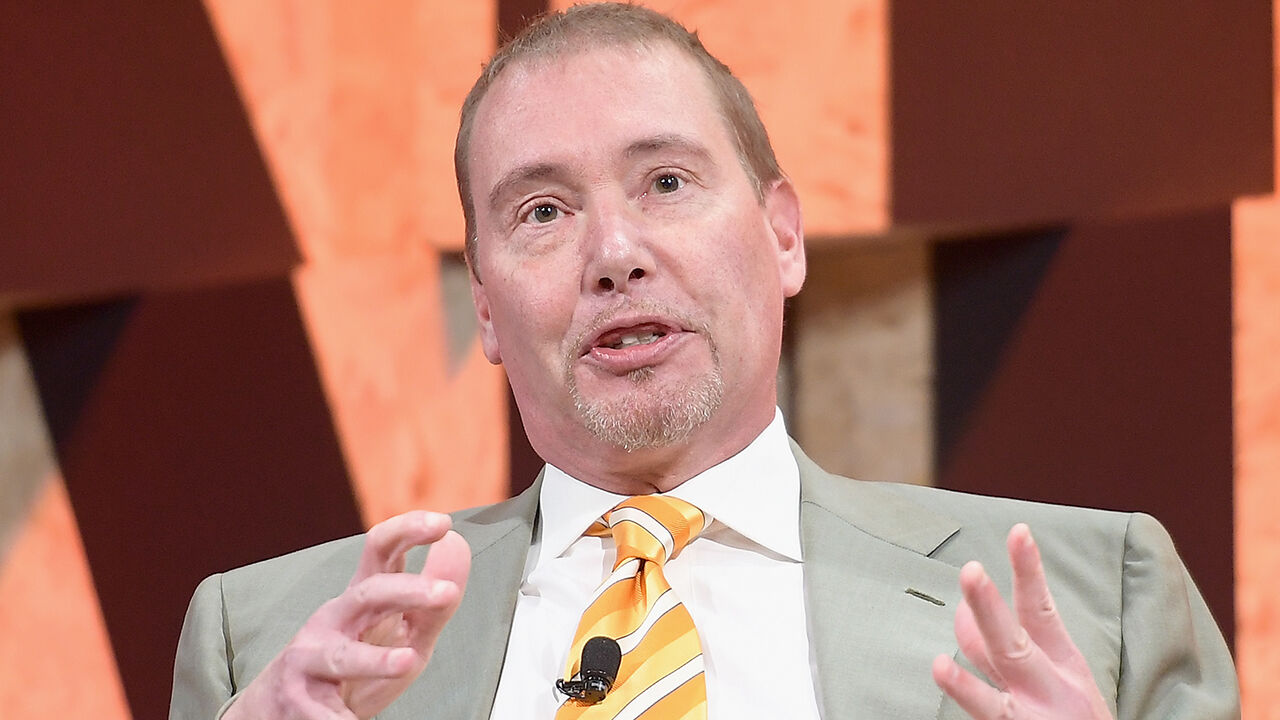
▲ Jeffrey Gundlach, CEO of DoubleLine Capital
Jeffrey Gundlach, CEO of DoubleLine Capital and an influential bond investor on Wall Street, argued on the 16th (local time) that the Federal Reserve's decision to raise the benchmark interest rate by 0.25 percentage points failed to adequately reflect the severity of inflationary pressures.
In an interview with CNBC that day, Gundlach said the Fed should have raised the base rate by 0.50 percentage points instead of 0.25 percentage points.
Mentioning a "stun and done" approach, he criticized that the Fed should have firmly impressed upon the market its tightening stance and adjusted market expectations through a single, bold shock.
"They should have implemented 50 basis points (1 bp = 0.01 percentage point) and watched how the data unfolded," he said, emphasizing the need for preemptive and strong action.
He also pointed out that the inflation problem in the United States is still "not being taken seriously enough."
Regarding Federal Reserve Chair Kevin's press conference, Gundlach evaluated it as "quite inadequate" and criticized that the central bank chief's explanations were "opaque."
On moves such as Chair Kevin forming a task force with external figures to improve the operational efficiency of the Fed, he remarked, "It is like a company in financial distress trying to hire consultants."
"Consultants always figure out what the people in the company really want to hear, and then just tell them what they want to hear," he indirectly criticized the Fed's communication style and leadership.
Following the Fed's rate hike and Chair Kevin's press conference that day, U.S. Treasury yields rose.
As of 5 p.m. that day, the yield on the 10-year U.S. Treasury note, a global benchmark for interest rates, rose 2.9 basis points (1 bp = 0.01 percentage point) from the previous session to 5.025%.
The yield on the 2-year U.S. Treasury note, which is sensitive to monetary policy, rose 7.7 basis points to 3.868%.
The yield on the 30-year U.S. Treasury bond remained unchanged at 5.363%.
Because bond yields and bond prices move in opposite directions, a rise in Treasury yields means a fall in prices.
(Photo: Getty Images)
※ Please note: This article was translated by AI and may contain errors.



 Video News
 Video News

