
 KOR
KOR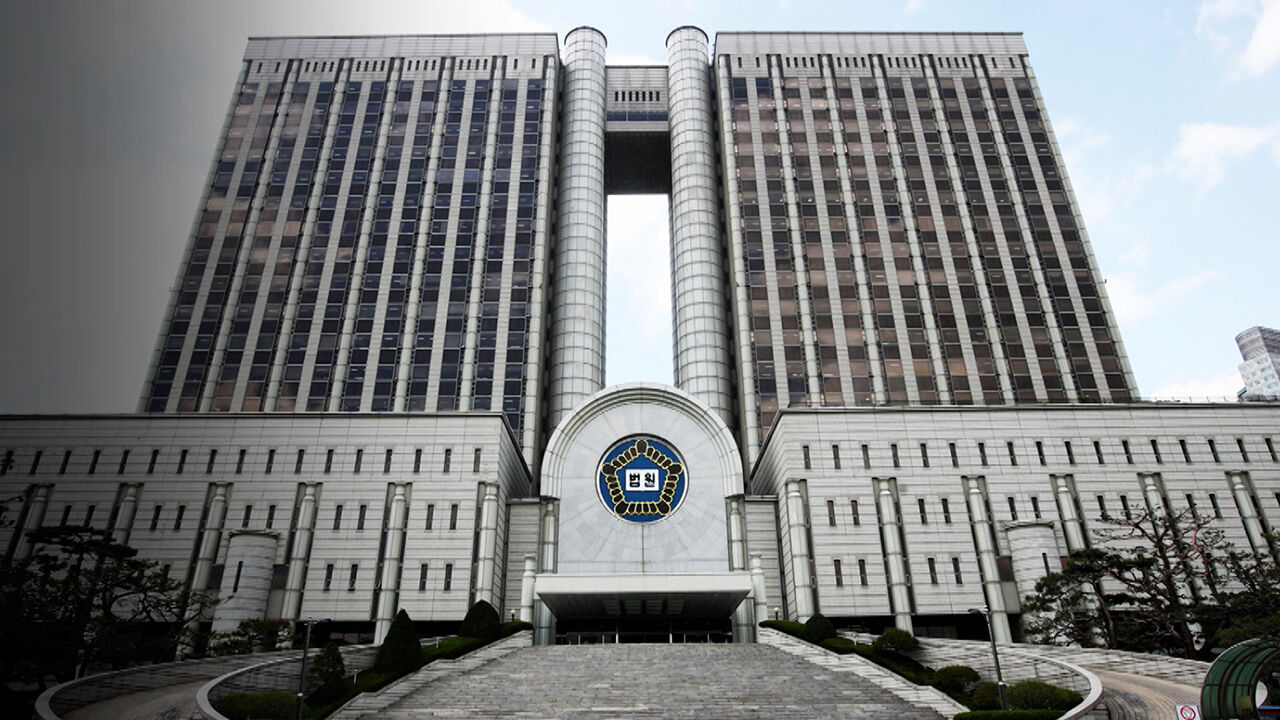
▲ Seoul Central District Court
A graduate student indicted on charges of manufacturing and flying unpermitted drones into North Korea has received a suspended prison sentence in the first trial.
On September 16, the Seoul Central District Court Criminal Settlement Division 38-3 (Presiding Judges Choi Young-gak, Sungjin, and Sooyoung) sentenced a graduate student in his 30s, surnamed Oh, to eight months in prison suspended for two years on charges of general treason and violations of the Aviation Safety Act.
Two accomplices who took part in the crime were also each sentenced to six months in prison suspended for two years.
The court acquitted them of the general treason charge, concluding that it had not been proven, and determined the sentences based solely on the Aviation Safety Act violations it recognized as guilty.
Regarding the general treason charge, the court determined that it was not proven that SD cards were equipped in the drones in question.
It noted that SD cards were not visible in the photos of the drones released by North Korea, and that North Korea's announcement contained errors such as misstating the starting point of the drones, suggesting the possibility that North Korea may not have acquired the SD cards.
"Unless the installation of SD cards is proven, it cannot be concluded that militarily useful information such as flight patterns, posture, altitude, and history was leaked to North Korea," the court stated.
It further added, "Even if it provided North Korea with a pretext for provocation or prompted South Korea's military response, this cannot be the basis for assuming that South Korea's military interests were infringed upon."
However, the charges of operating drones without reporting to the Ministry of Land, Infrastructure and Transport were upheld.
Taking into account the specifications of the drones and the addition of various components such as video recording equipment at the time, the court found that the drones exceeded the 2-kilogram reporting threshold.
It also ruled that while drones manufactured by research institutions for testing and research purposes are exempt from reporting, the defendants could not be considered to fall under that category.
At the same time, the court rebuked the defendants, stating, "The areas where the defendants flew the drones could greatly threaten South Korea's aviation safety, making the risks and grounds for culpability extremely high."
It added that mitigating factors were taken into consideration, such as the two accomplices confessing to the crime and neither having any prior criminal records.
Oh and his accomplices were accused of evading South Korean military air defense surveillance and sending civilian drones across the Military Demarcation Line (MDL) on four occasions from September of last year to January of this year, flying them over the Kaesong area in North Korea and having them record video footage.
Two of the drones they flew failed to return and crashed in North Korea.
After recovering the crashed aircraft and analyzing the data, North Korea released an accusatory statement based on the flight history and video information extracted from the drones.
During the sentencing hearing on September 2, prosecutors had demanded a five-year prison term for Oh and three-year prison terms for the other two individuals.
※ Please note: This article was translated by AI and may contain errors.


 Video News
 Video News
 Video News
 Video News
 Video News