
 KOR
KOR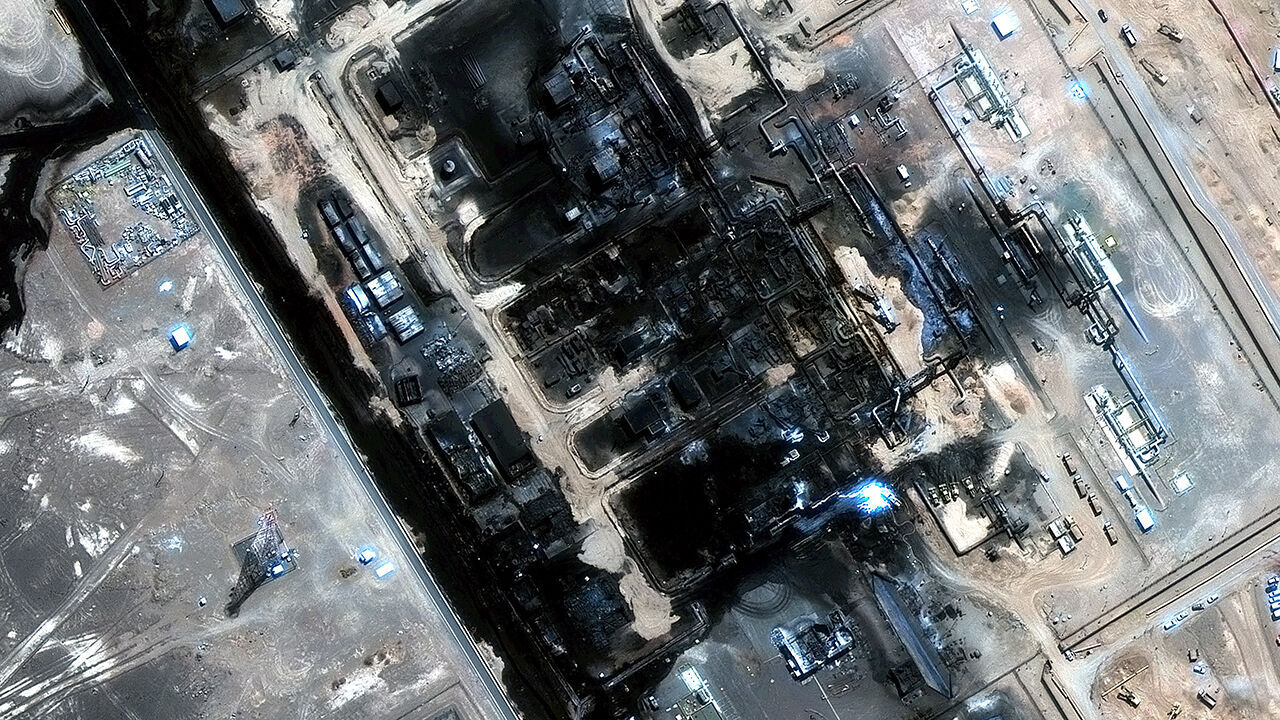
The Problem Is Saudi Arabia's East-West Pipeline... Has the 'Lifeline' Been Blocked?
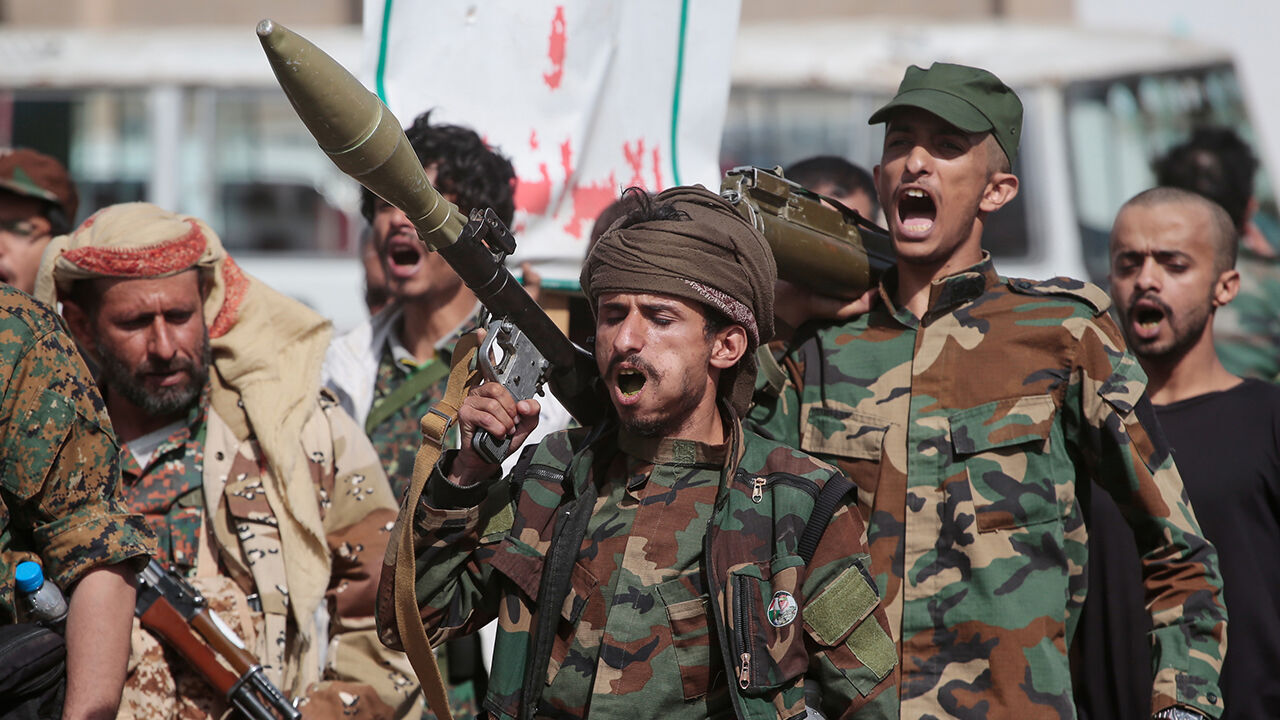
Traffic through the Bab el-Mandeb Strait route had already plummeted after Yemen's Houthi rebels declared a maritime blockade on Saudi-linked vessels and launched frequent attacks on passing ships. The alternative route is the Suez Canal connecting the Red Sea and the Mediterranean, but the canal's structure makes it difficult for fully loaded ultra-large crude carriers (ULCCs) to pass through. Consequently, Saudi tankers were even resorting to a convoluted transport route: first transporting crude oil to Egypt's Ain Sokhna terminal in the Gulf of Suez, pumping it through the Egyptian-operated SUMED pipeline to the Port of Sidi Kerir on the Mediterranean coast, and then reloading the crude onto tankers that traversed the canal once they docked at Sidi Kerir before sailing into the Mediterranean. Diverting part of the loaded crude through the pipeline to reduce ship draft for canal passage was a desperate stopgap measure.
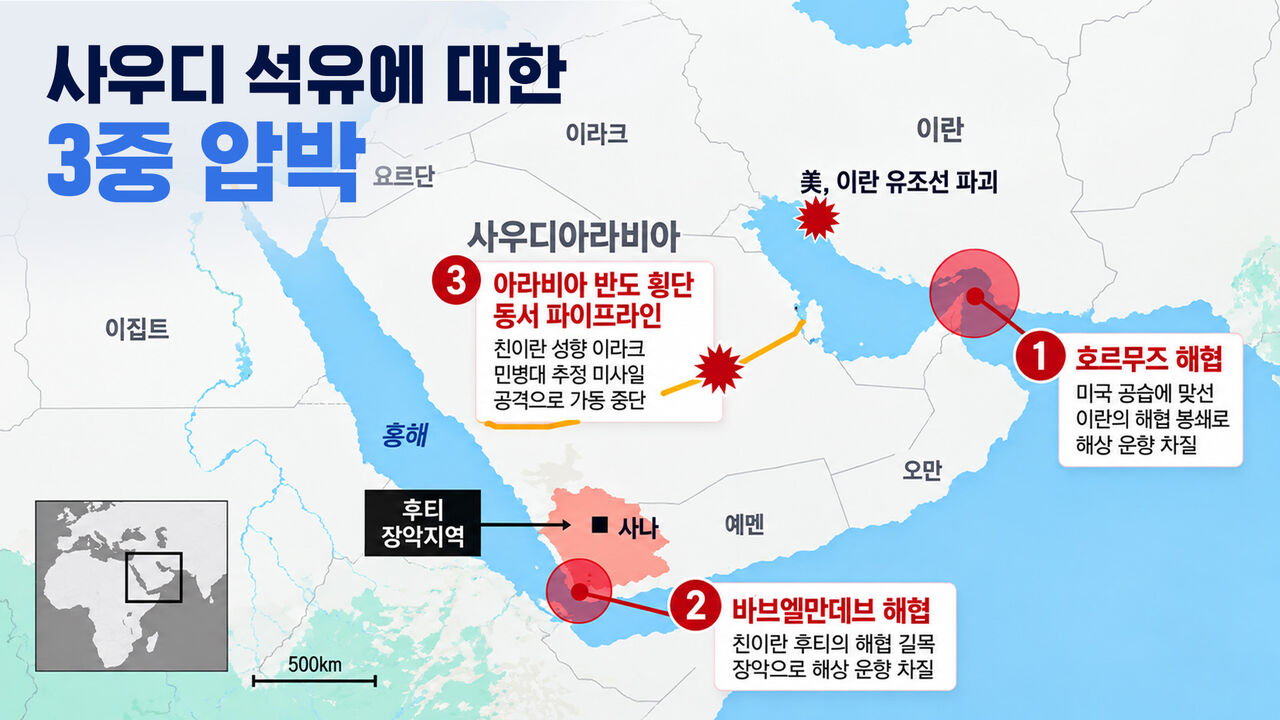
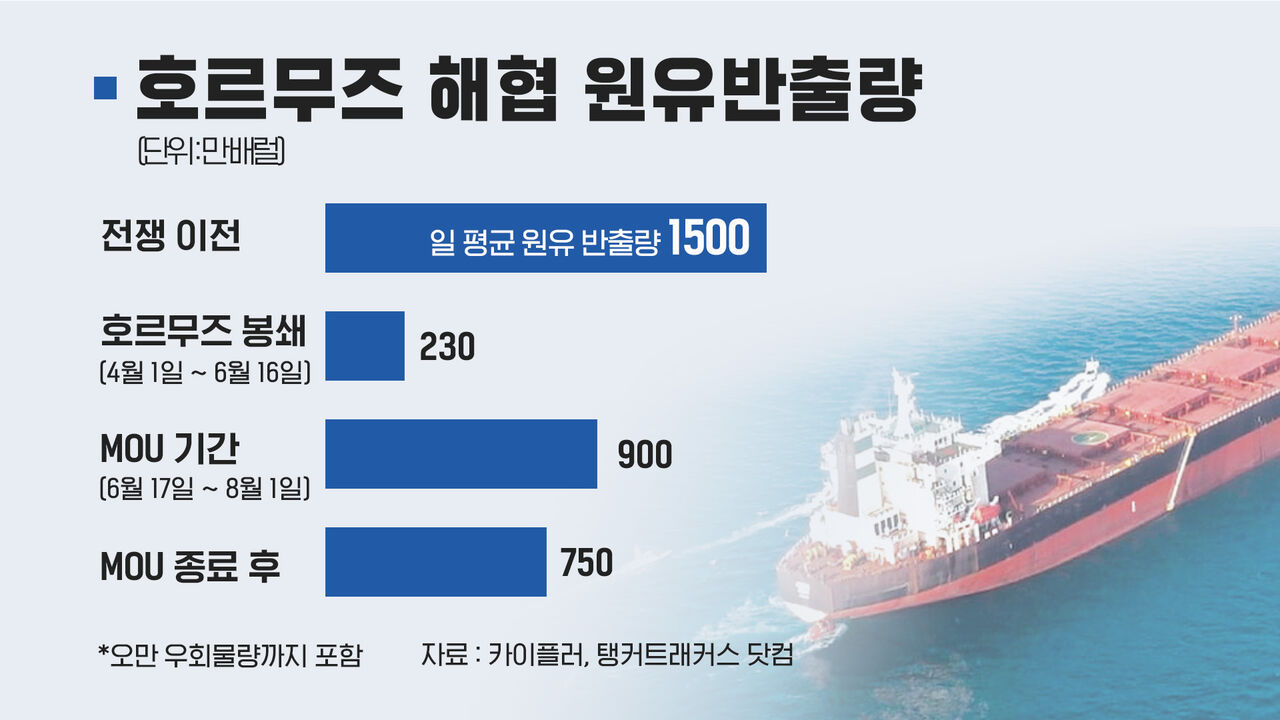
Here, Iran's strategic gambit comes to the fore. While Iran is impeding crude transport through the Strait of Hormuz, it has not gained full control of the strait due to a U.S. counter-blockade. Thanks to U.S. military air cover and ship escorts for tankers attempting to transit Hormuz, around 10 vessels per day have continued to pass through recently, whereas not a single tanker or ship seeking to travel to or from Iran has reportedly made it through due to the U.S. blockade. The fact that tankers are managing to pass through Hormuz under U.S. escort is another factor that has kept global oil prices somewhat in check. Therefore, Iran appears to be pursuing a strategy of actively backing the Houthis to paralyze the Bab el-Mandeb Strait, thereby rattling global oil prices and inflation—vulnerabilities for Trump ahead of the midterm elections. While the Houthis' official stance is that they are "for now ensuring freedom of navigation," the anti-U.S. Iranian axis is virtually tightening its grip over both Hormuz and the Red Sea.
A Weakened U.S., Did It Reject the Request for Red Sea Defense Aid?
Rattled by the Houthis' unexpectedly fierce offensive, Saudi Arabia turned directly to the United States for help. Reuters reported that Saudi Crown Prince Mohammed bin Salman called U.S. President Donald Trump at least twice on September 10 to request military assistance in fighting the Houthis, but the U.S. rejected the request. Given that Washington is currently concentrating its military power on the Strait of Hormuz, its position seems to be avoiding opening a new front against the Houthis. Considering that current U.S. counter-blockade operations in Hormuz are focused on maintaining a certain volume of crude tanker traffic, Washington cannot help but treat the Red Sea crisis as urgent. Consequently, observers point out that the U.S. capacity to control crude transit routes has significantly weakened.
In particular, the Financial Times reported that the U.S. military appears to have effectively scaled back its escort duties by limiting nighttime air cover for tankers transiting the Strait of Hormuz to designated two-hour windows twice a day. This not only reveals a weakened U.S. force posture in the Middle East, but also heightens concerns by signaling an increased likelihood of unilateral military action by oil-exporting nations like Saudi Arabia that can no longer rely on U.S. support. This points to the risk of the Middle East war expanding just as Iran desires, while U.S. leverage against Iran is also diminishing as Washington remains unable to commit forces to the Red Sea.
Will Domestic Oil Prices Be Okay?... Growing Burdens, Anxious Over Prolonged Crisis
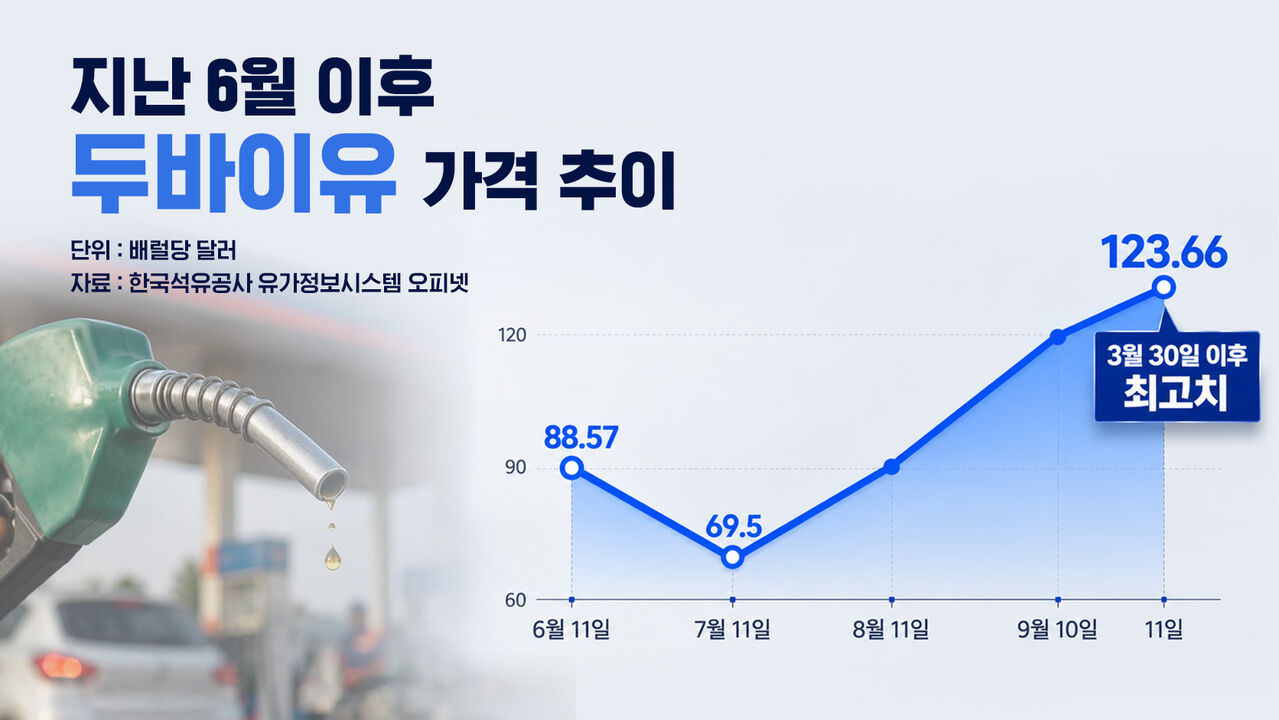
The government stated that crude import volumes for September and October have largely been secured at 90% of the previous year's levels, meaning the short-term impact on domestic supply and demand will be minimal. While the government has managed the situation well so far, fallout from a prolonged crisis would be unavoidable. Within the refining industry, forecasts warn that if the "petroleum price cap," which has been in place for over six months, is lifted, gas station gasoline prices—currently hovering around 1,850 won per liter—would instantly surpass the psychological resistance level of 2,000 won. Experts also worry that because retail fuel price curbs have dulled many consumers' sensitivity to petroleum consumption, this will become an additional burden going forward. Because the price cap functions as an emergency measure that temporarily defers the burden of rising oil prices while compensating refiners post-facto through state finances, worries are mounting that the financial cost is bound to balloon if the crisis drags on.
Non-Middle Eastern alternatives such as Canadian and Australian crude are reportedly seeing soaring prices as global demand converges on them. Freight costs for shipping crude from regions outside the Middle East—where shipping lanes had been stable—are also climbing, driving up overall costs even when supplies are secured. Before the outbreak of the U.S.-Iran war, South Korea's economic outlook projections were based on an international oil price forecast of around $64 per barrel. The tipping point for the current crisis is expected to come after November. The crux of the matter is whether a compromise can be struck with Iran before the U.S. midterm elections in early November, as Trump claims. Once again, oil-importing nations are left to endure anxious moments.
※ Please note: This article was translated by AI and may contain errors.


 Video News
 Video News
 Video News
 Video News
 Video News