
 KOR
KOR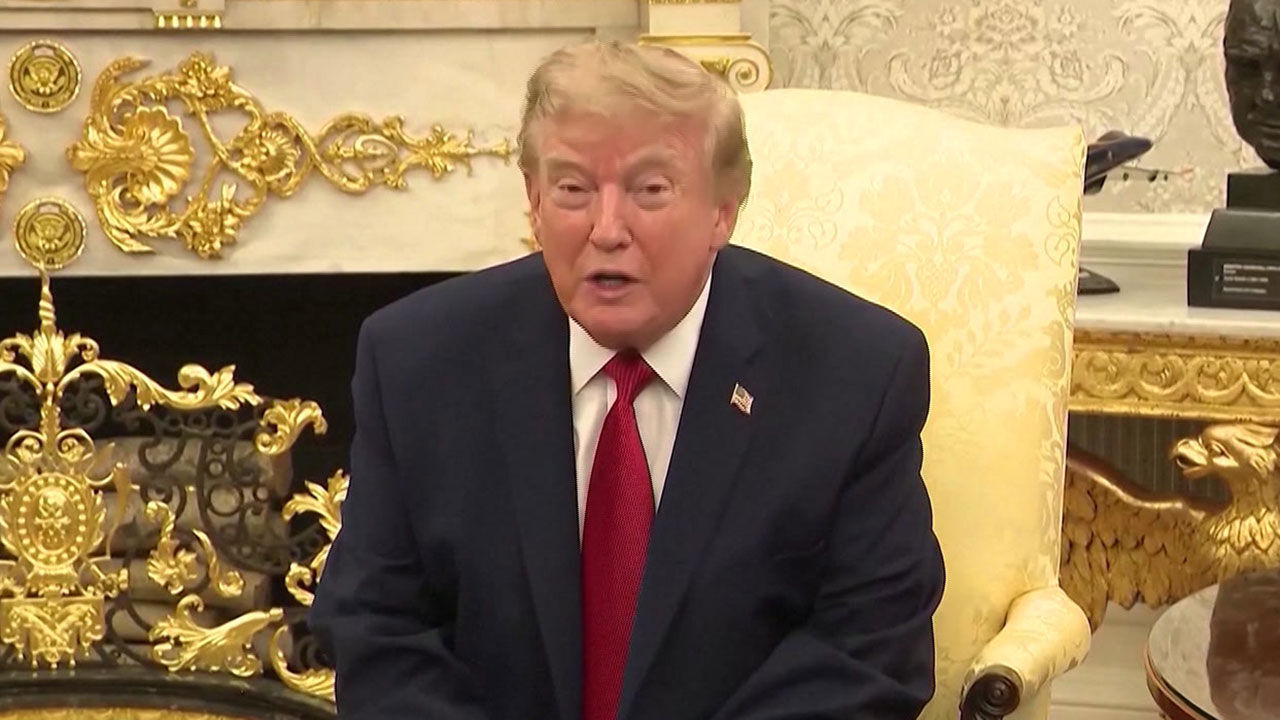
▲ U.S. President Donald Trump
A U.S. federal court has blocked the implementation of new immigration regulations by the Donald Trump administration that sought to limit the length of stay for international students and foreign journalists.
According to Reuters and AFP, Judge Dennis Saylor of the U.S. District Court in Boston, Massachusetts, issued a preliminary injunction on the 14th local time, granting a request from plaintiffs consisting of labor unions and education and immigration advocacy groups to temporarily halt the implementation of the new Department of Homeland Security (DHS) rule.
This decision came just one day before the rule was set to take effect.
The ruling suspends the implementation without making a final judgment on the legality of the regulation, and an additional hearing is scheduled for October 2nd.
Judge Saylor pointed out that the rationale put forward by the Department of Homeland Security for introducing the new rule was "extremely thin."
While the DHS cited national security and the need to prevent fraud in the visa system, Judge Saylor concluded that the agency failed to properly examine the problems arising from the policy change or sufficiently consider alternative measures that could reduce the burden.
The core of the new regulation halted by the court is the abolition of the so-called "Duration of Status" (D/S) system, which has been applied to international students (F visas), exchange and visiting scholars (J visas), and foreign journalists (I visas), and the imposition of limits on the length of stay according to each visa category.
Previously, individuals could stay in the United States without having to apply for a separate extension of stay as long as they continued activities matching the purpose of their visa issuance, such as studying, researching, or reporting.
However, under the new regulation, the length of stay is limited to a maximum of four years for F and J visas, and up to 240 days for I visas. To remain in the U.S. beyond those periods, they would need to apply to U.S. Citizenship and Immigration Services (USCIS) for an extension of stay and obtain approval.
The plaintiffs argued that the new rule would make stable studies and research activities difficult for international students and researchers, and impose a burden on U.S. educational institutions in securing global talent.
In addition, concerns were raised that setting a fixed period of stay for foreign journalists and subjecting them to extension reviews could restrict reporting activities and undermine press freedom.
Judge Saylor, appointed by former President George W. Bush, noted that the new regulation reverses the D/S system that the U.S. has maintained for about 50 years.
Judge Saylor also evaluated that through the existing system, tens of millions of international students and researchers have entered the U.S., making significant contributions to groundbreaking research in science, medicine, and technology, as well as economic growth.
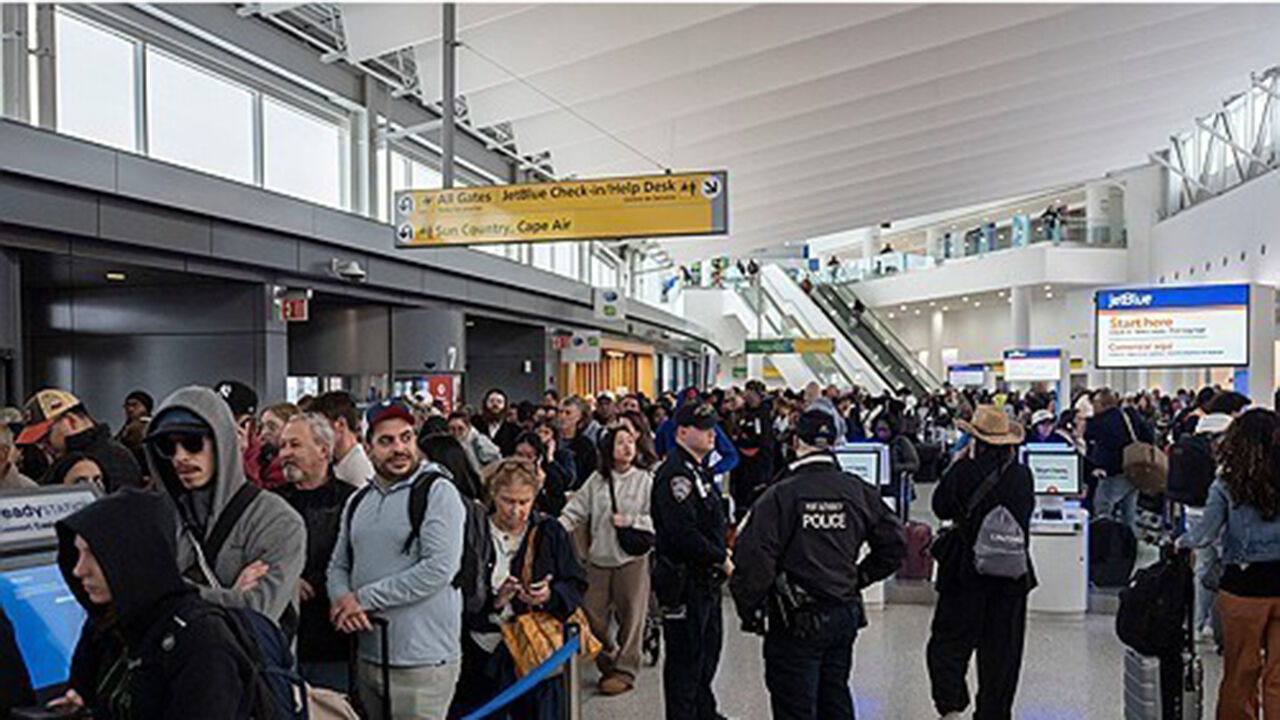
Currently, there are approximately 1.6 million F visa holders and about 500,000 J visa holders in the United States.
The number of I visa holders is estimated at 37,000.
According to the South Korean Embassy in the U.S., based on last year's data, among South Koreans staying in the U.S., there were 11,861 F-1 visa students and 1,347 of their dependents (F-2), 7,985 J-1 exchange visitors and 3,180 of their dependents (J-2), and 349 I visa holders.
Judge Saylor pointed out that the new rule could significantly reduce the number of international students, professors, and journalists residing in the U.S.
He noted that major research universities such as the Massachusetts Institute of Technology (MIT) and Harvard University have a high proportion of international students, particularly at the graduate level, and mentioned that if the new regulation takes effect, hundreds of millions of dollars in costs could arise and the number of enrolled students could decrease.
He stated that "the potential damage to the U.S. higher education system and economy is likely to be catastrophic."
The Department of Homeland Security did not immediately respond to requests for comment regarding the court's decision, Reuters reported.
※ Please note: This article was translated by AI and may contain errors.




 Video News
![[자막뉴스] 고가주택 이상 거래 절반이 중국인…국내 대출 막자 외국인 들어왔다](http://img.sbs.co.kr/newimg/news/20260915/202222474_300.jpg) Video News
Video News

