
 KOR
KOR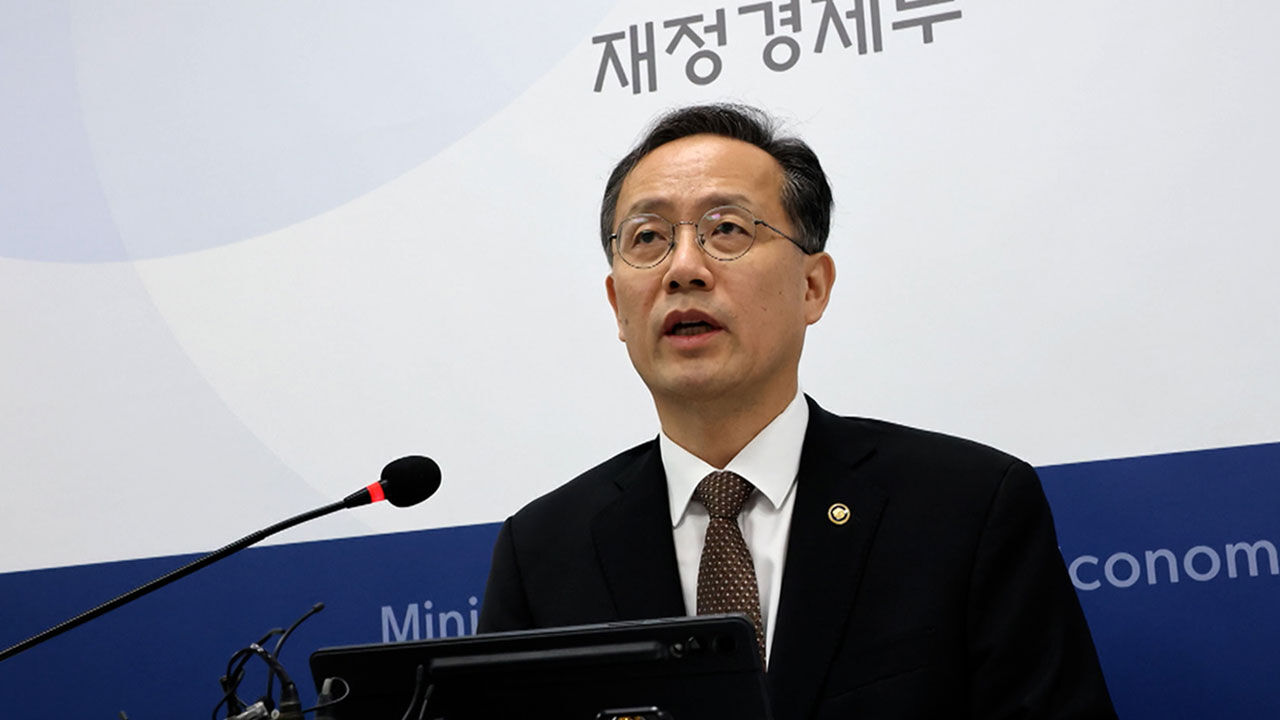
▲ Lee Hyung-il, nominee for Deputy Prime Minister and Minister of Economy and Finance
Lee Hyung-il, nominee for Deputy Prime Minister and Minister of Economy and Finance, stated today (the 13th) that the implementation of capital gains taxes, including the financial investment income tax, is "an issue to be reviewed after market conditions have sufficiently stabilized."
In materials submitted by the Ministry of Economy and Finance to the National Assembly for his confirmation hearing scheduled for the 15th, nominee Lee expressed his stance on financial investment taxation by stating, "We will refine related systems in response to changes in financial markets and industries while establishing a fair and efficient financial taxation framework."
Regarding inheritance and gift taxes, he expressed the view that "there are opposing stances: one side argues that easing the tax burden is necessary considering high inheritance tax rates compared internationally, while the other side maintains that easing the burden is inappropriate given worsening asset inequality and the need to enhance tax fairness." He added, "This is an issue that requires in-depth discussion considering fiscal conditions and beneficiaries, premised on gathering diverse opinions and achieving social consensus."
On corporate tax, he noted, "While continuing to provide growth-friendly tax support to enhance national competitiveness—such as fostering future growth engines, nurturing cutting-edge industries, and supporting region-led growth—we will also streamline low-effectiveness tax exemptions and reductions to secure a stable revenue base reflecting changes in economic and industrial conditions."
Regarding the taxation of virtual assets set to begin in January of next year, he explained, "Specific taxation criteria will be announced via National Tax Service notices within the year, and we will ensure taxpayers face no difficulties in filing."
Although some critics argue that classifying virtual assets as other income is inappropriate, he stated, "Classification as other income is appropriate to ensure income-comprehensive taxation, reduce tax cooperation costs, and apply tax systems advantageous to taxpayers, such as basic deductions and a single tax rate."
He also added, "Given that stocks are currently subject to transfer tax (for major shareholders, overseas holdings, and unlisted shares) and transaction tax, taxing virtual assets as well will help enhance fairness."
In his written responses submitted to the National Assembly, nominee Lee expressed his determination not to condone tax evasion or avoidance, noting that authorities have ways to track virtual asset transactions conducted via overseas exchanges or private wallets.
"For users of overseas exchanges, securing tax data is possible through overseas financial account reporting and frameworks for the automatic exchange of information between countries (CARF)," he answered, adding, "It is necessary to continuously expand the National Tax Service's taxation infrastructure to crack down on tax evasion activities that conceal profits through overseas or peer-to-peer transactions."
Nominee Lee added, "Transactions not captured through current taxation infrastructure will be taxed if the transfer or lending of virtual assets is identified during processes such as tax evasion reports and funding source investigations."
※ Please note: This article was translated by AI and may contain errors.



 Video News
 Video News
 Video News
 Video News
