
 KOR
KOR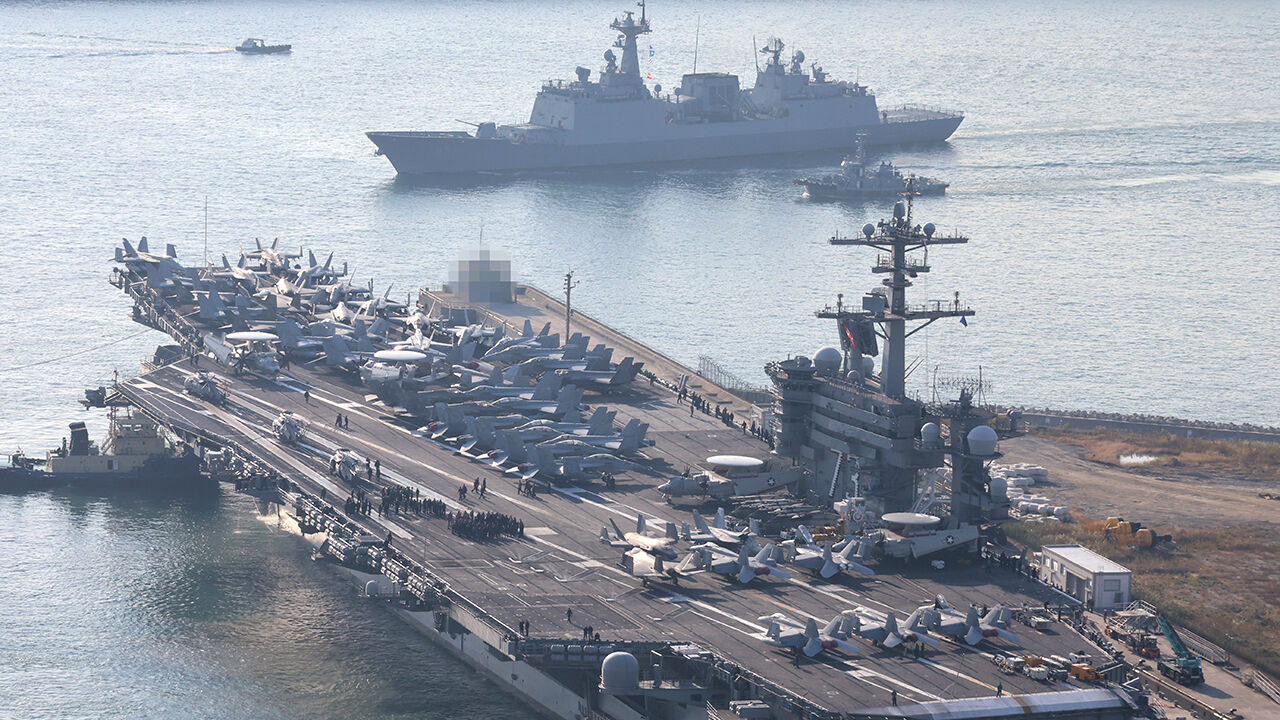
▲ USS George Washington (File Photo)
The United States announced on the 12th (local time) that its naval blockade against Iran has intercepted 100 commercial vessels attempting to enter or leave Iran over the past two months.
The U.S. Central Command stated via social media platform X that day, "Since resuming the 'Steel Wall' blockade operation against Iran, Central Command forces have diverted 100 commercial vessels over the past 60 days."
It added, "Not a single vessel has passed through this blockade line without U.S. permission," emphasizing that "U.S. service members remain focused on this mission."
Following the outbreak of hostilities in February, the U.S. military blocked the movement of more than 140 vessels through a naval blockade in response to Iran's closure of the Strait of Hormuz.
The blockade was subsequently lifted in June following the signing of a post-war memorandum of understanding (MOU). However, as follow-up negotiations between the two sides broke down and military clashes continued, the U.S. resumed the blockade on July 13 to choke off Iran's funding sources.
To enforce the maritime blockade against Iran, the U.S. military has redeployed the nuclear-powered aircraft carrier USS George Washington from Japan to the Arabian Sea in the Middle East.
The USS George Washington carries approximately 5,000 personnel, fighter jets, and ammunition.
Regarding recent attempts by Iran to attack U.S. Navy vessels, Captain Nicholas DeLeo told CBS News, "We have a variety of ways to protect the ship both offensively and defensively," adding, "We are training and situationally prepared for that."
The USS George Washington was deployed to replace the nuclear-powered aircraft carrier USS Abraham Lincoln, which returned home after completing a long-term maritime mission spanning approximately nine months.
(Photo: Yonhap News)
※ Please note: This article was translated by AI and may contain errors.



 Video News
 Video News
 Video News
 Video News
 Video News