The Dilemma of Satellite Parties Born from 'Crowbar National Assembly': Questions Raised by the 'Yong Hye-in Controversy' [Reporting File]
Lee Gyeong-wonSeoul
Published2026.09.10 11:14ViewView Count
"Animal National Assembly"
Let us start with the scene at the National Assembly on April 27, 2019, about seven years ago. Do you remember this scene? Profanity, collar-grabbing, and fierce physical clashes. It was the day when the term "Animal National Assembly," which had faded away after the implementation of the National Assembly Advancement Act, resurfaced. Around 200 lawmakers and aides were tangled up and fighting inside the parliament, with people collapsing or fainting one after another from the overnight brawl. As you may have heard often, even iron crowbars, commonly called "paru," appeared to force open doors.
[Clank! Clank!]
Even now, the term "crowbar" has become a symbol of the events back then in political circles.
[Shim Sang-jung / Then Justice Party Lawmaker and Chairperson of the Special Committee on Political Reform (April 2019): Floor leader of the main opposition party creating a lawless world! Representative Na Kyung-won, step forward!]
[Na Kyung-won / Then Liberty Korea Party Floor Leader (April 2019): Obey the National Assembly Act properly! What is there to say! Shut up, Democratic Party's second-in-command!]
This extreme standoff of the day happened for several reasons, but primarily because of the "semi-linked proportional representation system" pushed forward by the then-ruling Democratic Party and four minor parties. April 2019 was exactly one year ahead of the general election, meaning they wanted to change the rules for electing lawmakers. The system is a bit complex, but usually, when electing lawmakers, you vote for constituency representatives and then vote for proportional representation based on political parties. However, the proposal was to change it into a structure where a party with more winners in local constituencies would receive fewer proportional representation seats. The intent was to give minor parties a breathing room through proportional representation since major parties usually win most local constituencies. However, from the perspective of the Liberty Korea Party, the predecessor of the People Power Party, they fiercely opposed it, arguing that calling it consideration for minor parties was just helping allies, and thus this chaos erupted. Eventually, at the end of that year, the bill containing these changes to the general election rules was passed through the joint efforts of the then-ruling Democratic Party and four minor parties. Even back then, the National Assembly went through severe turmoil.
[Moon Hee-sang / Then National Assembly Speaker (December 27, 2019): Moon Hee-sang dies a dozen times a day these days. I am already dead. Only the shell is left and all the substance is gone.]
"Rivalry of Dodging Tricks"
To briefly reiterate the core of the changed system, as mentioned earlier, it is an interlocking structure where winning more constituency seats reduces the number of proportional representation seats. Eventually, an expedient method called a satellite party was mobilized. The Future United Party, the predecessor of the People Power Party, preemptively created a satellite party. They would field only constituency candidates while the satellite party fielded only proportional representation candidates. Since they were legally separate parties, the constituency and proportional representation seats would not interlock with each other, right? And after the election, the two parties would just merge back together. The Democratic Party strongly criticized this, but realizing they would likely lose a lot of seats this way, they reversed their criticism and hastily cobbled together a similar satellite party. However, wanting to be slightly different from the People Power Party, they created a platform allied with minor parties, and after the election, everyone would return to their respective parties. The Basic Income Party also participated in this platform and received one proportional representation seat in both the penultimate and the last general elections. Candidate Yong Hye-in was elected as a proportional representation lawmaker both times, becoming a two-term legislator.
"Dual-Role Controversy"
This is right where the problem began. As Lawmaker Yong Hye-in was nominated as the Minister of Gender Equality and Family, she hinted at her intention to retain both the ministerial position and her proportional representation lawmaker seat. While constituency lawmakers have traditionally held both when appointed as ministers, the convention for proportional representatives was to step down from their lawmaker seats upon becoming ministers, allowing the next person in line from their political party to succeed the position. However, as mentioned earlier, candidate Yong became a proportional representation lawmaker through a "platform" created by an alliance of multiple parties. Therefore, the next person in line is not from the Basic Income Party, but from the Democratic Party. Ultimately, if candidate Yong resigns from her lawmaker seat, the Basic Income Party would lose its only parliamentary seat and be reduced to an extra-parliamentary party. This means they would no longer receive political party subsidies, projected at 1.1 billion won a year, and funding for aides' salaries and office operations would be cut off.
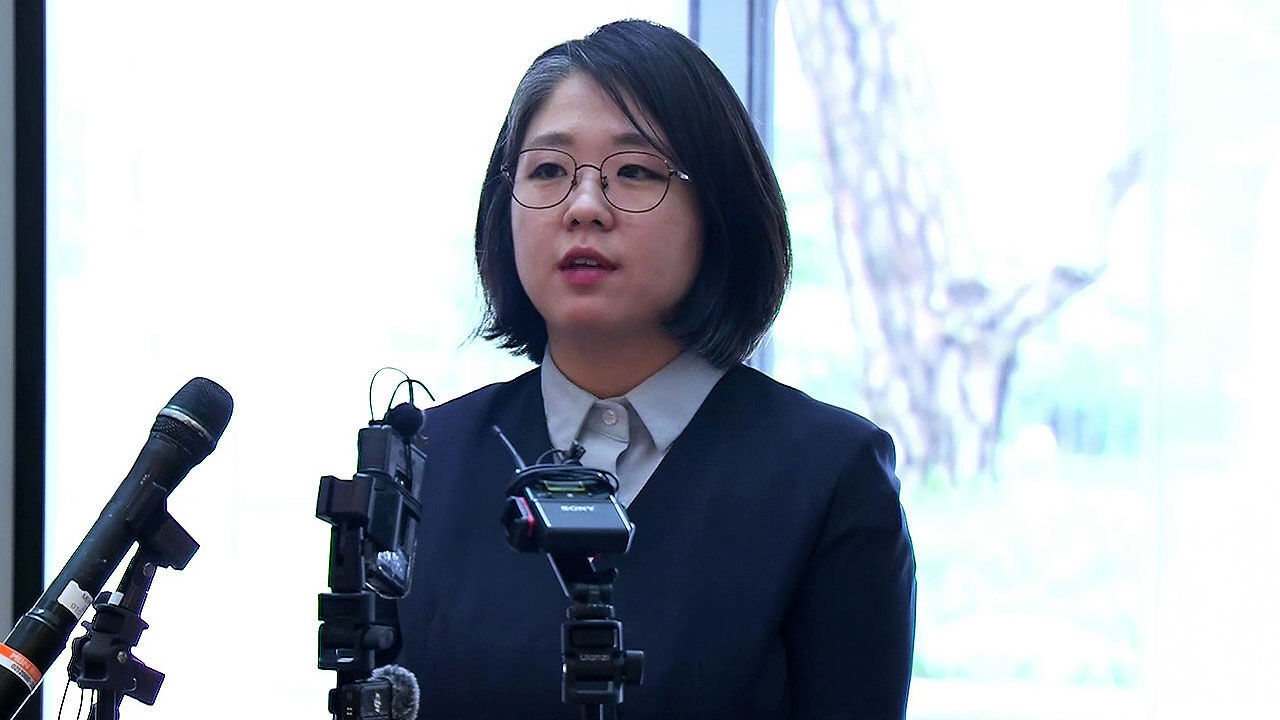
[Yong Hye-in / Nominee for Minister of Gender Equality and Family: Since the hearing process is a way of communicating together with our citizens, I will prepare well for the hearing so that I can organize and convey my thoughts effectively.]
"Remaining Questions"
Ultimately, this special political structure, created because she entered through a satellite party platform, acts as the background and main point of criticism forcing her to cling to holding concurrent positions. In the past, candidate Yong even held a press conference arguing that party subsidies breed parasitic parties and must be abolished, but interpretations are emerging that she is now insisting on holding dual roles precisely because of those subsidies. On the other hand, counterarguments have also intersected, asking whether the opportunity cost of giving one seat to a major party versus a minor party is different. The "structural dilemma created by the satellite party system"—where following convention causes the minor party's parliamentary status to vanish, while protecting the seat faces controversy over holding concurrent proportional representation roles—is the core issue of this controversy.
Moreover, a fundamental question has been raised as to whether lawmakers holding ministerial positions concurrently is valid at all. It has merely been tacitly tolerated because they were constituency lawmakers, and awareness of the problem regarding the practice of legislative members concurrently serving as executive cabinet ministers persists. When someone is elected as a constituency representative, it is difficult to meticulously take care of their local district if they become a minister. This inevitably leads to the question of why they were elected in the first place. Ultimately, this controversy is posing heavy questions about the outdated rules of our politics, ranging from the flaws of the electoral system and the validity of the practice of lawmakers concurrently serving as ministers, beyond just the personal issue of candidate Yong Hye-in. With a year and a half remaining until the next general election, if the semi-linked proportional representation system and the practice of lawmakers serving as ministers are pondered in the National Assembly and constructive alternatives emerge, could the current controversy surrounding candidate Yong Hye-in remain as tuition fees paid toward a better politics?
※ Please note: This article was translated by AI and may contain errors.

 KOR
KOR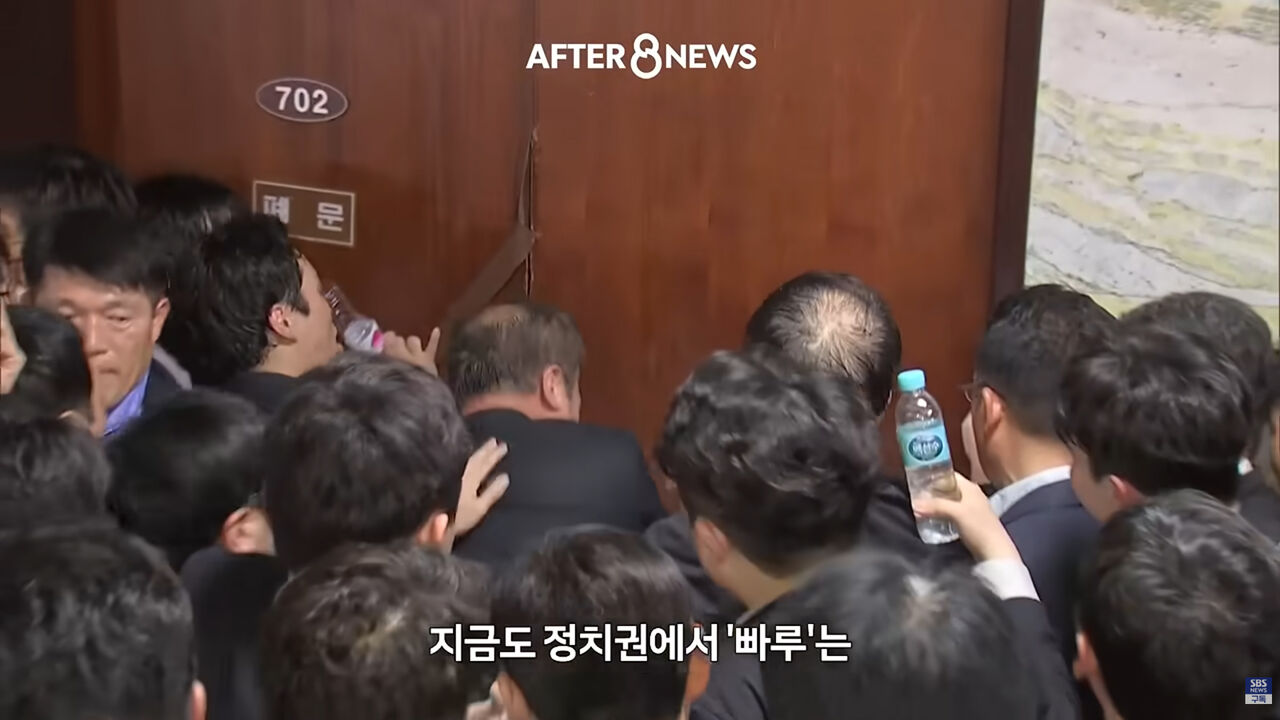



 Video News
 Video News

 Video News