
 KOR
KOR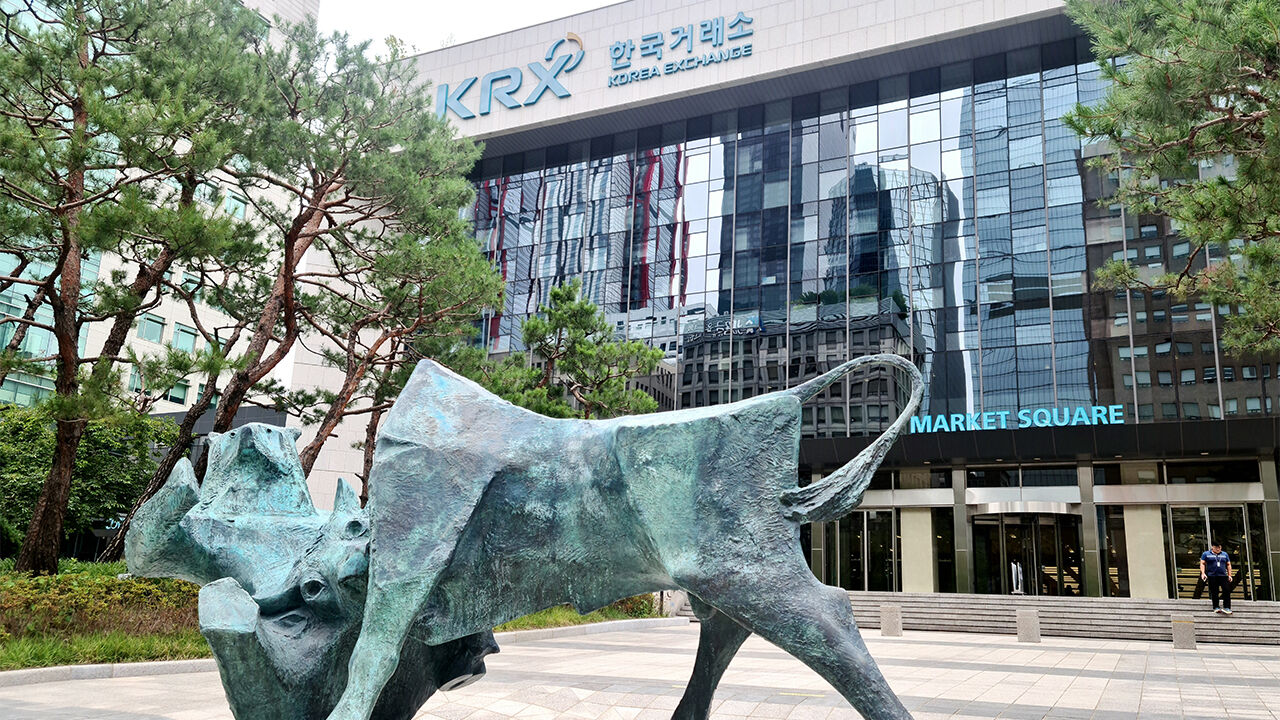
▲ Korea Exchange
The Korea Exchange (KRX) announced that it will operate an after-hours market starting on the 14th, allowing real-time trading after the regular market closes.
The exchange announced today (the 9th) that it has resolved amendments to the operational regulations for the KOSPI and KOSDAQ markets containing these measures.
The after-hours market will operate for four hours from 4 PM to 8 PM, and unlike the existing after-hours single-price trading which operated after the market closed, orders will be executed in real time.
Accordingly, the existing after-hours single-price trading will be abolished.
Most stocks in the KOSPI and KOSDAQ markets—including shares and Depositary Receipts (DRs)—can be traded in the after-hours market, excluding stocks that require market management such as investment warning issues and delisting stocks.
However, considering market volatility, Exchange-Traded Funds (ETFs) and Exchange-Traded Notes (ETNs) will be excluded from trading.
Permissible quote types will be limited to limit orders, best-limit orders, and immediate-or-cancel limit orders.
Market orders, which can cause prices to fluctuate depending on market conditions, will be restricted for the protection of investors.
Just like in the regular market, a daily price fluctuation limit of ±30% based on the day's base price (the previous day's closing price) will be applied to the after-hours market, and the Volatility Interruption (VI) circuit breaker will also be activated in the same manner as the regular market to prevent sudden price fluctuations caused by short-term supply and demand changes.
Settlement of stocks traded in the after-hours market will take place two business days after the trade (T+2), identically to regular market trading.
Meanwhile, even after the opening of the after-hours market, disclosure reception hours will remain unchanged from 7:30 AM to 6 PM.
The exchange explained that this decision reflects the fact that most disclosures by listed corporations are made during business hours, and takes into account the possibility that extending disclosure hours could lead to delays in unfavorable disclosures.
However, even after disclosure reception closes, if matters related to delisting such as corporate embezzlement or breach of trust are confirmed through media reports or other channels, trading of the relevant stocks will be suspended as necessary.
Previously, the exchange initially aimed to open pre- and after-hours markets by the end of June, but adjusted its schedule to launch only the after-hours market first on the 14th of this month, reflecting industry feedback.
Since April 6, the exchange has prepared for system implementation by operating a mock market under the same environment as the actual market through September 10.
The exchange stated, "The opening of this after-hours market will be the first step for our stock market to leap forward to a global level by enhancing investor accessibility and market competitiveness," adding, "By extending trading hours, investors will be able to make prompt investment decisions by immediately reflecting information generated after the regular market close into prices."
It further stated, "To continuously strengthen the competitiveness of our market infrastructure, we plan to continuously monitor the trends of extended trading hours at global exchanges and review phased extensions of trading hours going forward."
(Photo: Yonhap News)
※ Please note: This article was translated by AI and may contain errors.




 Video News

 Video News
