
 KOR
KOR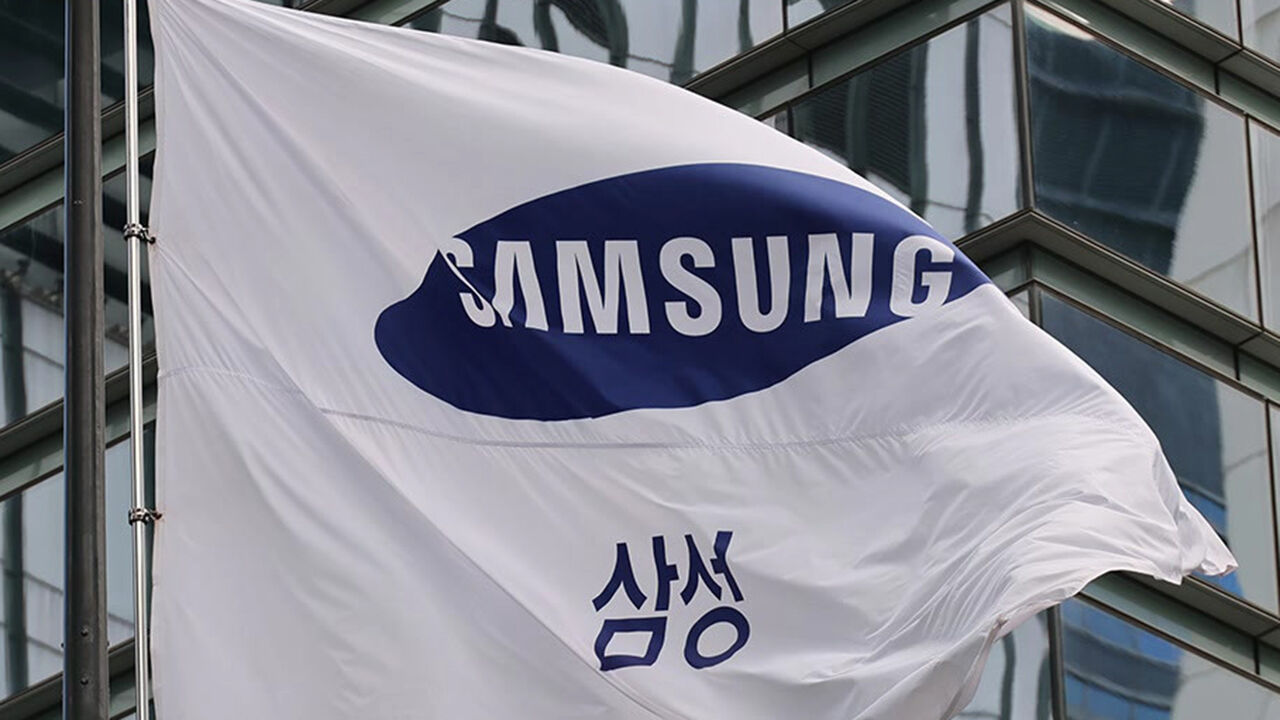
⚡ Key Takeaways
Nineteen affiliates of Samsung Group have launched their open recruitment for entry-level employees in the second half of the year, remaining the only one among South Korea's top four conglomerates to maintain large-scale regular open hiring.
Amid intensifying global competition to secure semiconductor and AI talent, Samsung's mass recruitment serves as an intersection where the acquisition of cutting-edge talent meets young job seekers' demand for "good jobs."
Corporate-led talent development through in-house training infrastructure such as SSAFY is drawing attention as an alternative to bridge the skill mismatch in the South Korean labor market.
1. The Last '70-Year Tradition' Standing Amid Major Firms' Shift to Year-Round Hiring
On September 8, application submissions opened on Samsung's recruitment website, "Samsung Careers." Nineteen affiliates, including Samsung Electronics, Samsung C&T, Samsung Biologics, and Samsung SDI, simultaneously launched their open hiring for entry-level employees in the second half of the year. Applications will be accepted through September 15, followed by job-suitability assessments, the Global Samsung Aptitude Test (GSAT), interviews, and medical checkups. Software applicants will take a coding test instead of the GSAT, while design applicants will undergo a portfolio review.
Samsung has maintained this system for 70 years since it introduced South Korea's first open recruitment for entry-level employees in 1957. Among the so-called top four conglomerates—Samsung, SK, Hyundai Motor, and LG—Samsung is the only group maintaining regular open recruitment. Now that most companies have abolished open recruitment and transitioned to year-round ad hoc hiring, Samsung is the only one left.
Samsung has stated its commitment to continuously expanding youth employment alongside investments in future industries. Samsung Electronics Executive Chairman Lee Jae-yong said at a business leaders' meeting in August last year, "We will continue investments to consistently create high-quality jobs domestically and foster high-value-added industries."
Previously in 2022, Samsung announced a large-scale hiring plan to directly employ 80,000 people over five years, averaging 16,000 annually.
2. Structural Reasons Young Job Seekers Flock to 'Samsung Open Recruitment'
The Organisation for Economic Co-operation and Development (OECD) points to mismatches between education and the labor market, as well as disparities between large conglomerates and small and medium-sized enterprises (SMEs), and between regular and non-regular workers, as structural issues in South Korean youth employment. In fact, according to the National Data Agency, the proportion of non-regular workers among wage earners reached 37% in 2023.
The OECD analyzes that significant gaps in wages, job stability, and welfare benefits exist between large corporations and SMEs in South Korea, leading many young people to prefer stable jobs at conglomerates or in the public sector over SMEs. There is also a growing tendency to delay entering the labor market altogether in order to land a desired position.
Samsung's open recruitment is not merely a hiring announcement from a single company; it serves as one of the largest and most predictable gateways to regular positions at conglomerates for young job seekers.
3. Semiconductor and AI Facility Investment and the Global Race to Secure Talent
The industrial environment surrounding the second-half open recruitment is also changing rapidly: namely, the recovery of the semiconductor market and the explosive expansion of the artificial intelligence (AI) market.
The OECD recently assessed semiconductor exports as one of the key drivers leading growth in the South Korean economy. Samsung Electronics is also continuing large-scale investments in cutting-edge semiconductor facilities and research and development (R&D) to secure competitiveness in the AI semiconductor era.
For this scale of investment to translate into actual production and technological competitiveness, people are ultimately needed to design, develop, and produce the products. In the semiconductor and AI industries, securing talent is not simply a matter of labor cost; it is a pivotal element that turns investment into tangible competitiveness.
The talent shortage is not unique to South Korea. The Semiconductor Industry Association (SIA) of the United States and Oxford Economics projected that approximately 115,000 jobs will be added to the U.S. semiconductor industry by 2030. However, under current trends, they estimated that about 67,000 of those jobs will go unfilled due to a lack of qualified personnel. The European Court of Auditors (ECA) also pointed out that the EU semiconductor industry is struggling to secure skilled workers.
The AI sector faces a similar situation. According to the OECD, 53% of South Korean SMEs that have not adopted generative AI cited their employees' lack of relevant skills as the biggest obstacle.
Ultimately, competition in cutting-edge industries is not only about how large factories are built and how much capital is invested, but also about how reliably companies can secure skilled talent.
4. Going Beyond Credentials: A Company Becoming a Supplier of 'Practical Competence'
Beyond open recruitment, Samsung operates diverse talent development programs, most notably the Samsung Software and AI Academy for Youth (SSAFY). Across five campuses nationwide—Seoul, Daejeon, Gwangju, Gumi, and Busan—it provides free software and AI education to young adults. Around 2,000 people undergo training annually, and since 2019, more than 9,400 graduates have landed jobs at some 2,600 companies at home and abroad. Recently, the program expanded its eligibility from university graduates to include graduates of Meister high schools.
The significance of this program lies in its direct connection to another structural issue in South Korea's labor market highlighted by the OECD: namely, the mismatch between skills acquired in educational settings and technologies actually needed by companies—the so-called "skill mismatch." The company is going beyond merely hiring needed talent, stepping up to directly train and supply human resources to industrial fields.
5. Competition for Advanced Talent and the Emerging Dual Labor Market
Samsung's hiring practices have also evolved over time. In 1993, Samsung introduced open recruitment for female college graduates, and in 1995, it eliminated academic credential requirements from eligibility criteria, expanding "open hiring."
The composition of required talent is also changing. According to Samsung Electronics sustainability reports, its global development workforce increased from approximately 84,000 in 2023 to about 89,000 in 2025. During the same period, the manufacturing workforce decreased from roughly 110,000 to approximately 103,000. While manufacturing personnel still outnumber development personnel, the figures clearly show the growing importance of research and development staff as competition in cutting-edge industries intensifies.
Examining the popularity of Samsung's open recruitment in connection with the structural problems in Korea's labor market highlighted by the OECD reveals another perspective. While Samsung's open recruitment may be an open hiring method at an individual company level, the phenomenon of countless young people waiting for opportunities at a handful of major conglomerates can be a sign pointing to the "shortage of good jobs" in the South Korean labor market.
Because the wage and job security gap between regular jobs at conglomerates and jobs at SMEs or non-regular employment is so vast, young people often prolong their job preparation periods aiming for "jobs like Samsung" rather than settling for just any position.
The fact that Samsung's open recruitment has survived for 70 years does not merely reflect one company's unique method of selecting talent. It also reflects what kind of talent corporations require in the semiconductor and AI era, while revealing why South Korean youths still wait in long lines for a small number of "good jobs."
Deep Dive Q&A
Q1. Why did the other top conglomerates (SK, Hyundai Motor, and LG) abolish open recruitment and transition to year-round hiring?
It was to secure talent for specific roles as needed in response to the rapidly changing market environment and to swiftly deploy personnel with job-specific expertise. In contrast, Samsung maintains the approach of selecting talent through large-scale open recruitment and cultivating them through internal training. As the rationale for maintaining open recruitment, Samsung emphasizes securing talent for future industries and providing high-quality employment opportunities to young adults.
Q2. Can corporate-led training programs like SSAFY be a solution to youth employment issues?
They represent a meaningful alternative in that they can rapidly bridge the skill mismatch between university education and actual industrial fields. The OECD also points out the issue of skill mismatches between education and industrial demand in the South Korean labor market. SSAFY has also established itself as a talent development model where a company directly teaches required practical skills, recording an employment rate of over 80% among its graduates based on previously disclosed data. However, corporate training alone cannot resolve the entire youth employment issue. Structural issues in the labor market, including wage and job security disparities between large corporations and SMEs, must be improved in tandem.
Q3. What is the significance of Samsung's large-scale R&D investment and continued open recruitment for the South Korean economy?
In global semiconductor and AI competition, it is crucial not only to possess technology and facilities but also to reliably secure skilled talent to develop and operate them. Samsung's large-scale investments, open recruitment, and in-house training serve to sustain this talent pipeline. At the same time, the influx of young job seekers into Samsung's open recruitment is a reflection of the employment gap between conglomerates and SMEs—the so-called dual labor market.
※ Please note: This article was translated by AI and may contain errors.



 Video News

 Video News
 Video News
 Video News