
 KOR
KOR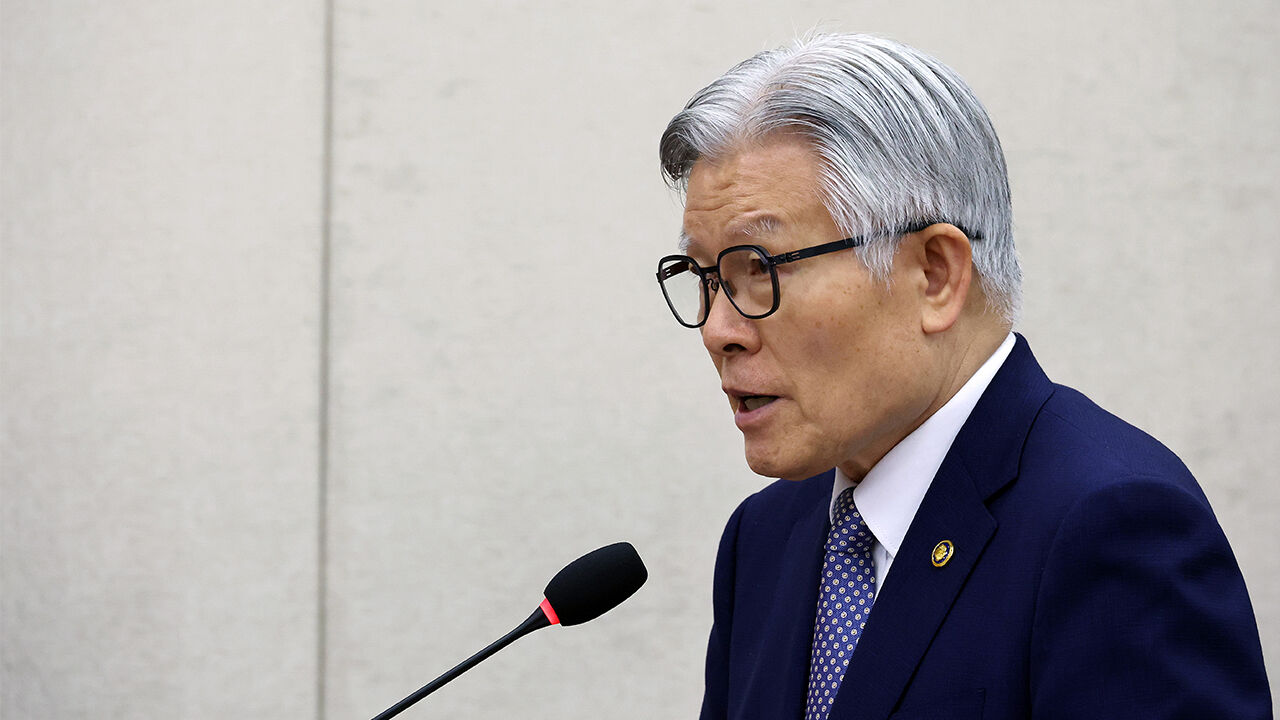
▲ Minister of Personnel Management Choi Dong-seok gives a remark after the approval of the settlement of accounts for fiscal year 2025 and the approval of reserve fund expenditures during a plenary meeting of the Public Administration and Security Committee at the National Assembly on the 1st.
Cross-government suicide prevention measures have been established for high-risk psychological groups and special occupations, including police officers, firefighters, civil servants handling civil complaints, emotional laborers, and disaster victims.
The Ministry of Personnel Management announced that Minister Choi Dong-seok reported the related measures at a Cabinet meeting.
First, the Ministry of Personnel Management and the Ministry of the Interior and Safety will set up a comprehensive government-wide prevention system for public officials to strengthen the protection of civil service workers handling complaints.
The Ministry of Personnel Management plans to enact the tentatively named "Regulations on Public Officials' Disaster Prevention" to build health and safety management systems for each agency and lay the groundwork for supporting health check-ups and psychological evaluations.
The number of Public Officials' Mind Health Centers will be gradually increased from 11 to 16 to improve accessibility, and an "emergency duty suspension" system will be newly introduced to immediately suspend duties and provide rest if there is an imminent risk of critical accidents such as suicide.
The Ministry of the Interior and Safety will establish a dedicated response system where agencies, rather than individual public officials, take responsibility when repetitive or unusual civil complaints arise.
Exceptions for handling civil complaints will also be expanded to allow self-closure of complaints involving verbal abuse or sexual harassment.
Psychological support measures will be implemented for uniformed public officials, such as police officers, firefighters, and military personnel, who are exposed to traumatic incidents and dangers.
The Ministry of National Defense will improve counseling conditions for high-risk groups by expanding the number of professional military life counselors and conduct periodic psychological evaluations.
The police will shorten the cycle of comprehensive health check-ups, and the Korea Coast Guard will conduct psychological evaluations once a year to screen high-risk groups early.
The government will also establish psychological support systems for emotional laborers and disaster victims.
The Ministry of Employment and Labor will expand protective measures so that special employment workers can also be protected, while providing professional counseling for workplaces in vulnerable sectors, such as telephone call center agents and care service workers.
To detect potential high-risk groups following disasters, the Ministry of the Interior and Safety and the Ministry of Health and Welfare will standardize risk evaluation criteria and follow-up measures while strengthening cooperative systems.
The government plans to establish a long-term tracking and observation foundation by forming disaster victim cohorts and reinforce the overarching functions of the National Center for Disaster Trauma.
Minister of Personnel Management Choi Dong-seok stated, "We will strengthen the state's responsibility for suicide prevention, closely collaborate with related ministries, and protect the mental health of high-risk groups."
(Photo: Yonhap News)
※ Please note: This article was translated by AI and may contain errors.



 Video News
 Video News
 Video News

 Video News