
 KOR
KORCould this person properly profile Senior Police Officer Boo? That is why SBS YouTube channel "Discovery of Knowledge" met with him. We have compiled an interview conducted on September 2 with Pyo Chang-won, head of the Pyo Chang-won Crime Science Institute. The interview was broadly divided into two topics: the Jeju false closure of missing persons cases and police reform. The following content covers the case in question.
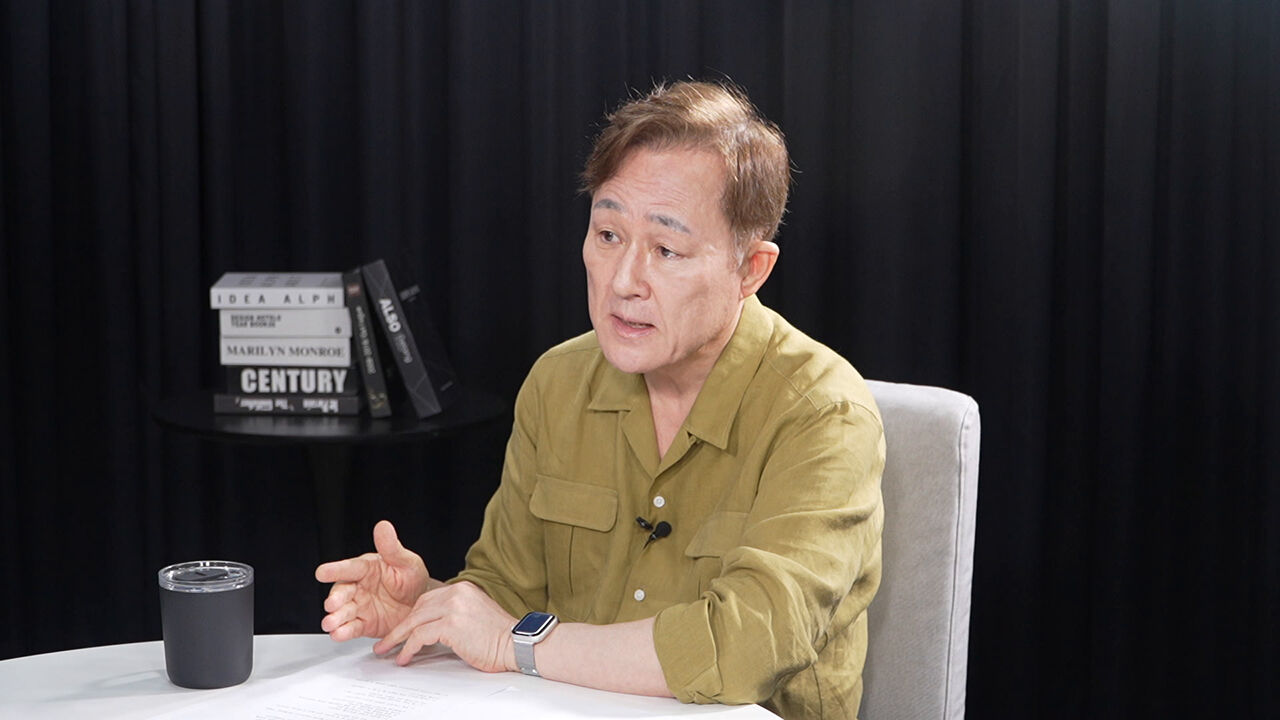
Q. The police initially stated that the cause of death for Ms. Jang was presumed to be "death by hanging," but in a recent briefing, they stated that the cause of death is unclear. Shouldn't this have been their stance from the very beginning?
Director Pyo Chang-won: The order was reversed. Fundamentally, you cannot know anything about an incident before thoroughly investigating various aspects. Based on investigative police experience, as well as the circumstances and condition of the body, they hastily spoke about what seemed most probable. In doing so, it should be seen as a huge blunder and mistake that fueled suspicions such as: "Is bias at play?", "Are they drawing conclusions without proper investigation and scientific analysis?", and "Are they pushing the case in the direction they want?"
That is why the lost three months are so deeply regrettable. Although every effort must now be made to find whatever remaining traces exist—traces of contact, behavioral traces, and traces of wounds—all of those efforts could end up with a result of "nothing found."
Q. If only Senior Police Officer Boo had not covered up the case like this, there might have been clues.
Director Pyo Chang-won: Of course. If Boo had not covered it up, the missing person report would have been processed immediately. She was a young woman who went out at night dressed in light casual clothing, which strongly indicates she had no intention of running away for an extended period. It was nighttime. Under such circumstances, the risk of crime and the danger to life are extremely high. The risk level naturally escalates to "high." According to police manuals, an immediate search must then be initiated. Even this time, the body was found not long after the search actually began.
"Footwear impressions," meaning shoe prints stamped on the ground, are critically important. Furthermore, a palm tree forest is not a place where people normally go. The moment someone observes from outside and says, "There appear to be human footprints over there," an intensive search could have been carried out while preserving the scene. Then she could have been found quickly. Forensic scientists and the police scientific investigation team could have inspected the scene and the body together, identifying footwear impressions from the outer road to the point of entry into the palm tree forest. Knowing how many people's prints were there is important. Also, there are many thorns and branches on palm trees. Could someone enter there without brushing against them? If so, fabric fibers from clothing could have been left behind. Whether skin tissue or blood, traces would inevitably have adhered. Through such remaining traces, the scene could have been reconstructed to near perfection. All of that has vanished with the passage of time.
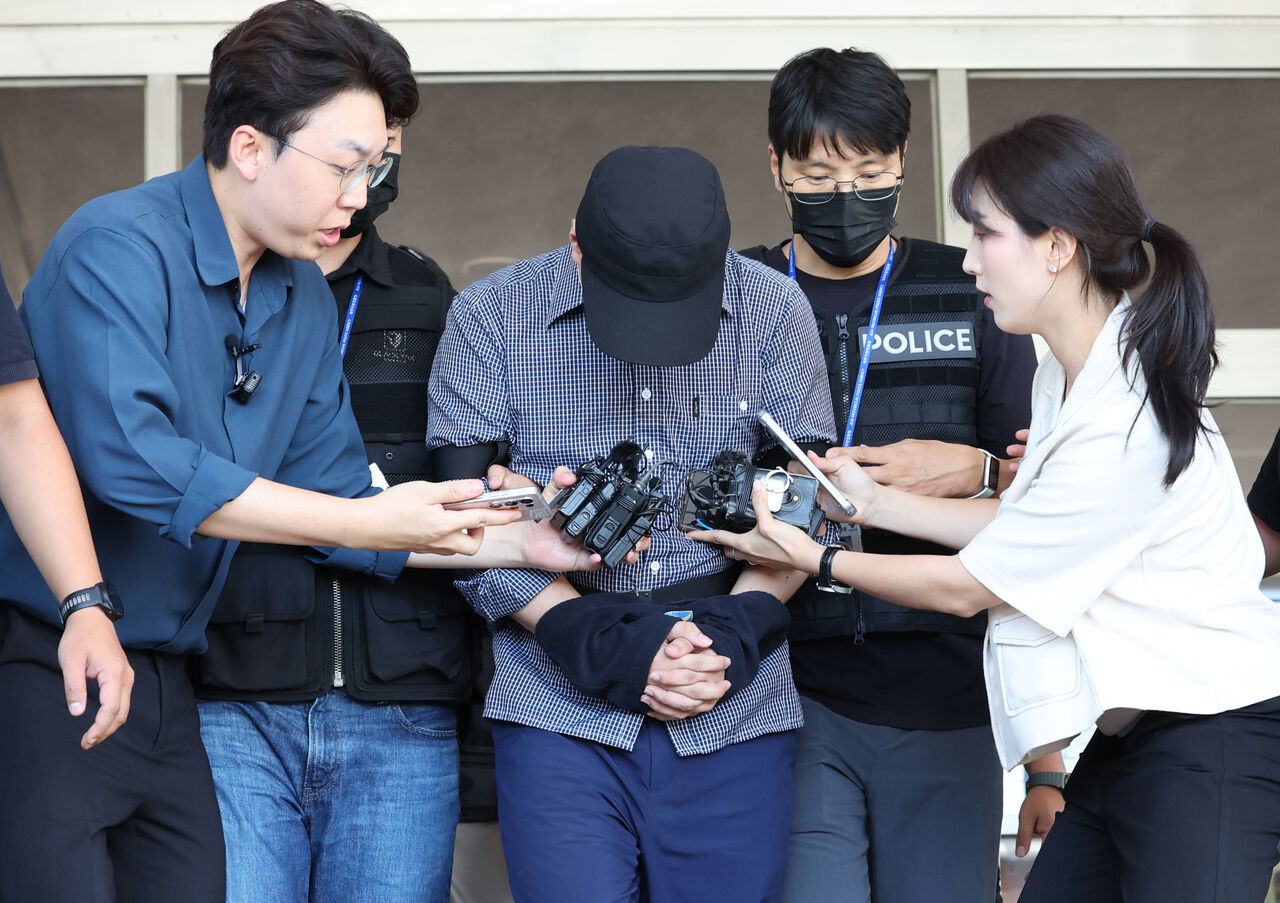
Director Pyo Chang-won: Certainly. CCTV footage typically has a retention period of 30 days. Had it not been for the false closure, she would have been found within a few days, well before 30 days had passed. While every nook and cranny of the alleys may not be covered, major access roads and intersections would have been captured. Even now, footage of her leaving the accommodation exists.
Reporter Jeong Yu-mi: Right now, the footage of her leaving the accommodation is the only one available.
Director Pyo Chang-won: There are also vehicle dashcams in the surrounding area. Through CCTV, everything could have been verified: whether Ms. Jang walked in alone, whether anyone was nearby, whether someone was seen following her, whether she was dragged in, or whether, as some suspect, no one went there at that time and the body was disposed of later.
Q. Why on earth did Senior Police Officer Boo do this? Why did he go so far as to lie and process it as a traffic accident fatality? This is completely incomprehensible, but here is the statement disclosed by the police: "I falsely closed it out of the burden of having to hand over the case because there would be a lot of work to take care of if the case remained open. I thought carelessly because the missing person was an ordinary adult." Does this make sense to you?
Director Pyo Chang-won: How could that possibly make sense? First of all, the factual premise collapsed immediately. It was additionally revealed that Boo falsely closed about 20 other cases, and among them was a child. Fortunately, it was confirmed that the child safely reunited with the parents, but parents generally do not contact the police again to say, "We found our child." It simply happened to pass without issue.
By attaching the qualification "because she was an adult," he continues to minimize his responsibility, constantly maintaining the facade that while his actions caused immense harm, "my intentions and conduct were not so malicious."
Q. A profiling analysis was also reportedly conducted. Some suspect that Senior Police Officer Boo packaged his actions as mere dereliction of duty to avoid heavier punishment. What are your thoughts?
Director Pyo Chang-won: Naturally, I share that suspicion as well. And even if, conceding a hundred, a thousand, or a million times, that were true, early in the incident, fellow officers from the dedicated missing persons team continuously responded, saying, "There is no way this happened because of too much work" and "We cannot understand this." After all that, claiming now that "it was actually because of too much work"—does that make sense? That is problematic in itself.
If he processes a case as falsely closed, that person could die as a result of his actions. They might be suffering somewhere, desperately waiting for help. Doing this means lacking fundamental human empathy. Was he in such a depleted mental state that he could not exercise common-sense judgment? Not at all. Therefore, I cannot accept this at all. While they say profilers were brought in and reached such conclusions, I believe they only completed half of the profiling.
Q. What do you mean by doing only half the profiling?
Director Pyo Chang-won: Personal background investigation of the subject constitutes half of profiling. One part is conducting interviews with Senior Police Officer Boo to catch his lies, dig into them if lies are detected, assess his emotional and psychological state, and guide him toward the truth. We do not know how that was conducted. In any case, because that part was done, it can be viewed as a conclusion derived from it. But could that possibly be everything? Can we believe only what Boo says? He is a person who has repeatedly piled lie upon lie upon lie. That is why the remaining half is necessary.
Q. How should the other half of the profiling be conducted? What should have been done?
Director Pyo Chang-won: I currently suspect two main possibilities. One is that Boo was reportedly disciplined for domestic violence in the past. Another is that after this incident occurred, he was caught engaging in bizarre behavior inside a women's restroom and was placed on "standby duty." If these are connected, he is someone with an overall distorted sexual perception and abnormal sexual desires, and the possibility that this is linked to closing missing persons cases cannot be ruled out. There might have been a specific woman he targeted, while the rest were decoys to obscure that target.
The second possibility is what is known as a "God Complex." This God Complex refers to acting as if one has become God—simply put, playing God. It occurs in individuals with low self-esteem, deep resentment, and major relational issues, but whose profession or role allows their decisions to determine the life, death, fate, or success of others.
This occurs most frequently among doctors and medical professionals. Depending on what medication a doctor administers to a patient or what actions they take, they can save or kill them. A British doctor named Harold Shipman was later caught after having murdered over 300 patients. Investigations revealed that he made his own judgments, thinking, "This patient is not worth saving," and administered lethal doses of toxic drugs.
Q. Do people with a God Complex derive a kind of pleasure from such behavior?
Director Pyo Chang-won: Yes. A sense of satisfaction, superiority... thinking, "I have the right to do this, and I decide your life or death." In Italy, there was also a nurse nicknamed the "Angel of Death." That nurse similarly murdered patients in the ward under her care whom she judged "eligible to die."
If such a psychological motivation operated in Senior Police Officer Boo, his form was slightly different. "If I decide, you are dead" on official records. In reality, he might not know for sure. Thinking like playing a game: "I don't know what will happen, but most will just return and find their families, so nothing major will happen." Then, if someone commits suicide and dies, thinking, "Well, they were going to commit suicide anyway, so they followed their fate, and I prevented the police from intervening"—this type of rationalization. Although he was a low-ranking officer without high status, just like that Italian nurse, he had the power within his assigned domain to press buttons: this person is marked "traffic accident death," that person "unnatural death," doing as he pleased. On paper, it gave him the feeling of being God.
Reporter Jeong Yu-mi: That is terrifying.
Director Pyo Chang-won: If that was indeed the case, shouldn't it be brought to light? I hope it is not true.
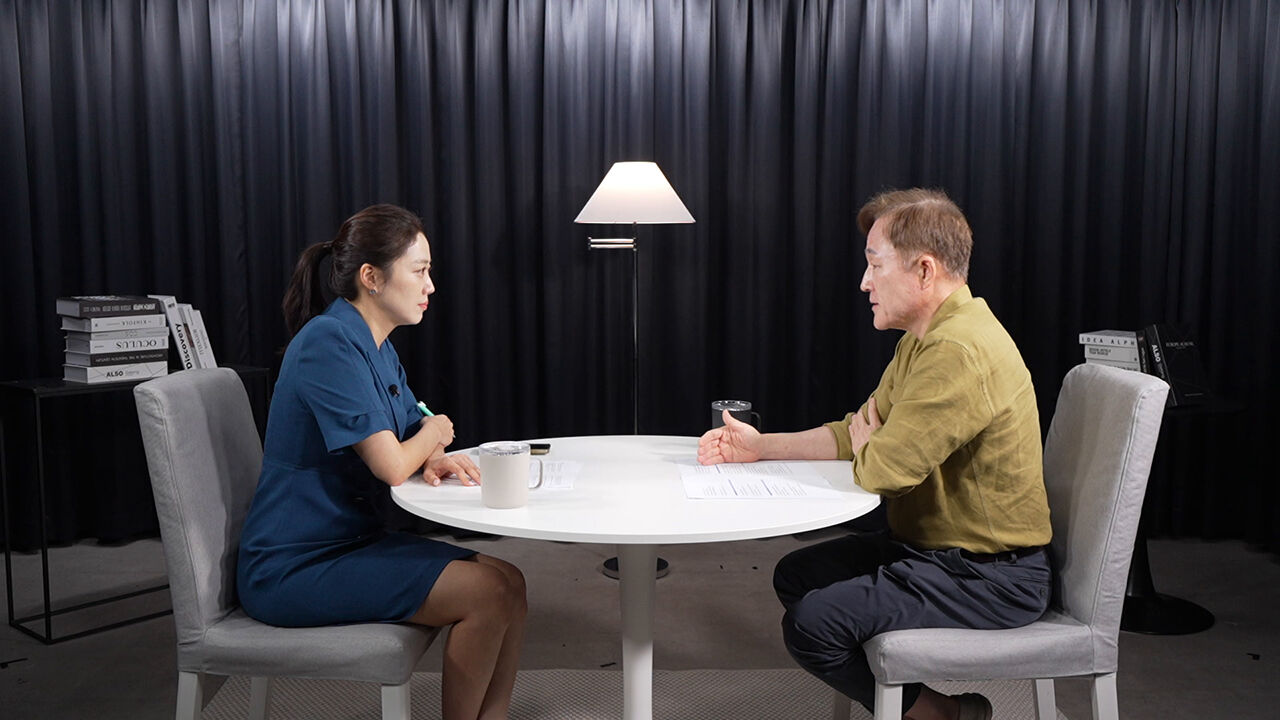
Director Pyo Chang-won: They absolutely should not. It is an extremely serious issue. So how can that be uncovered? Would he bring that up himself during an interview?
Reporter Jeong Yu-mi: Might he not even realize it himself?
Director Pyo Chang-won: He might not realize the label, but he knows his own intentions and psychological state at that time. He also knows what kind of satisfaction he felt.
Reporter Jeong Yu-mi: It seems unlikely he would ever say with his own mouth, "I felt satisfied when I deleted them from records by processing them as deceased."
Director Pyo Chang-won: He would never say that.
Q. If he does not speak about it himself, how can it be uncovered?
Director Pyo Chang-won: His online life, in particular, must be thoroughly investigated. The police said they investigated his personal and official work mobile phones. If he has a distorted sexual perception, what he tried to do in the women's restroom might have been installing hidden cameras, engaging in illegal filming, sharing illicit footage in online communities where he was active, and feeling a sense of superiority. If so, he would never conduct such activities on his work phone. Nor would he use his work computer.
Reporter Jeong Yu-mi: He might have used a burner phone or something similar.
Director Pyo Chang-won: A burner phone, a phone under someone else's name, or a secondary phone. Without such a thorough investigation, nothing will appear on the surface. I hope it is not true. Even if it is not, if a thorough investigation proves it was not the case, we could believe it. But that other half of the investigation has not been done. How can we just believe his words—that there was too much work and that he thought it would be fine because she was an adult—when his statements have already been proven to be lies?
How should we truly view this case? Legally it may be difficult, but isn't it de facto "murder by omission"? Omission literally means causing someone to die by doing nothing. It is the charge applied to Captain Lee Joon-seok in the Sewol ferry disaster. He did not have the intention to murder the victims.
Reporter Jeong Yu-mi: Yet he was responsible.
Director Pyo Chang-won: Had he taken action, they would not have died. That is why it constitutes murder by omission.
Q. Could the charge of "murder by omission" be applied to Senior Police Officer Boo?
Director Pyo Chang-won: Legally, it is nearly impossible. That is why I say "de facto" and speak from a psychological standpoint. If Ms. Jang is confirmed to have committed suicide, legally it remains a suicide. Mishandling a missing person report, leaving her neglected to die, and falsely closing the case so that others could not rescue her—is that not de facto murder by omission?
However, establishing that link legally would be nearly impossible, and there are no judicial precedents. Leaving that to the legal domain, when we profile, we look at the de facto and psychological aspects, as well as the nature of the action. Anyone could naturally foresee that falsely closing the case could lead to the subject's death. Nevertheless, he took that action.
Furthermore, another element comes into play: "official duty." Anyone who acquires qualifications, passes exams, receives training, and performs professional duties carries a stronger obligation, responsibility, and code of ethics. That is why criminal penalties differ between general involuntary manslaughter/negligence and occupational negligence. Performing official duties entails the obligation as a professional to foresee and prevent such outcomes.
In Senior Police Officer Boo's case, he held a position entrusted with the public's confidence. Citizens pay taxes to fund salaries, provide benefits, and authorize officers to carry firearms under the belief that they will keep us safe. Yet by falsely closing the case, he made it impossible for anyone to find her. That is why it is de facto murder by omission.
Q. The bereaved family was previously too shocked to respond properly, but they now say they will take active measures. They are demanding the dismissal of Senior Police Officer Boo while insisting that higher-ups must also be thoroughly investigated. Do you view this as entirely necessary?
Director Pyo Chang-won: He will certainly be dismissed. However, under legal procedures, when a public official becomes a criminal suspect, disciplinary action cannot be finalized until the criminal proceedings conclude. That is partly to prevent the case from ending prematurely with a lenient punishment, and partly because if an acquittal is handed down, an unfair disciplinary measure would have been imposed. Therefore, disciplinary action is temporarily stayed when someone becomes a criminal suspect.
How this happened must, of course, be fully uncovered. What consolation could that possibly provide? Even so, I believe the police and the state have an obligation and duty to thoroughly uncover everything and disclose it.
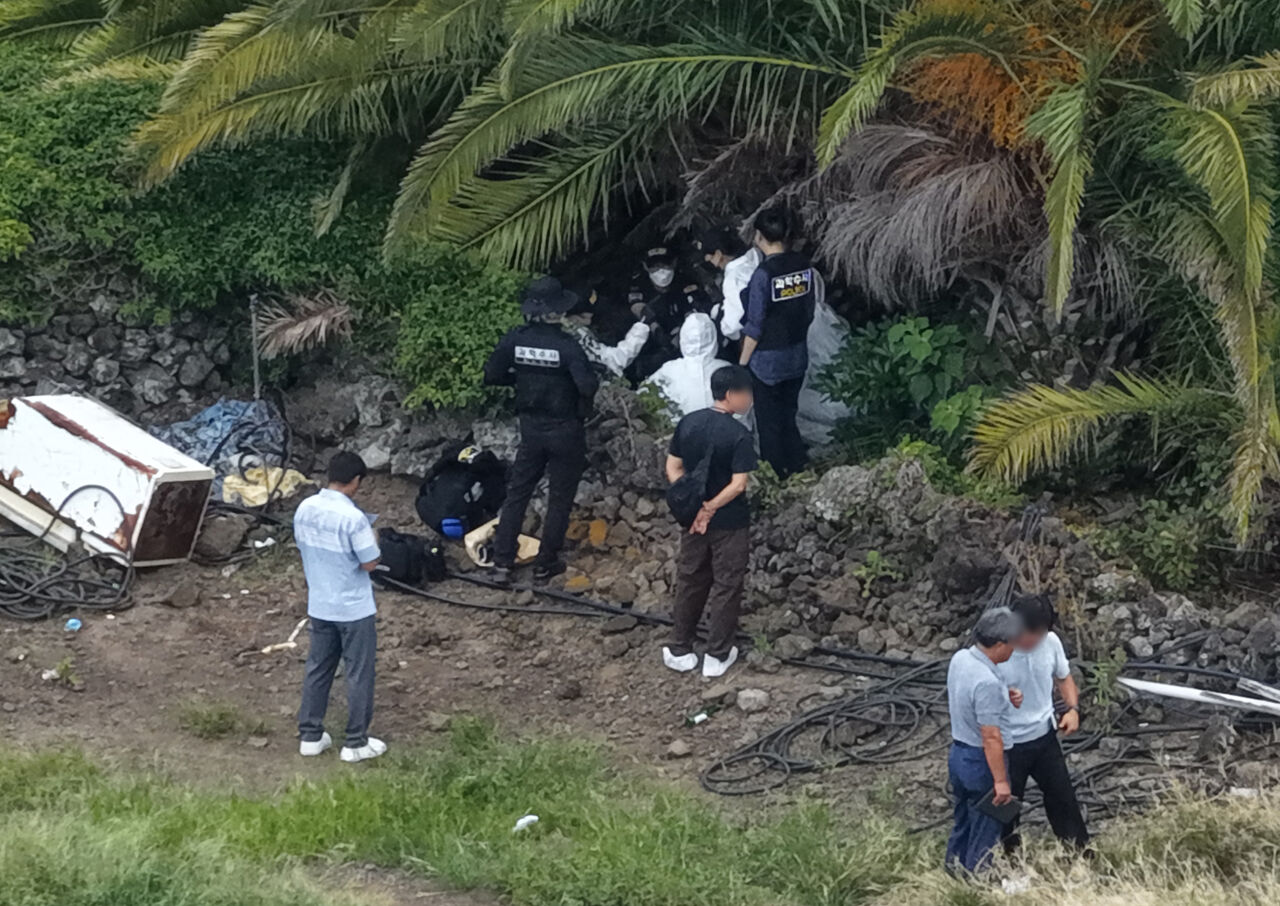
Director Pyo Chang-won: First, there is the realm of possibility and the realm of probability. There is a case that drew tremendous attention and controversy known as the "Mungyeong Abandoned Mine Cross Death Incident." A long time ago, in an abandoned stone quarry mine, a wooden cross was erected. A person was hanging from it, with nails driven through both hands and both feet. A cord was wrapped around the neck, and the abdomen had a stab wound resembling Jesus in the Bible, found as a dead body. Could that case possibly be a suicide?
Q. I remember that incident. But wasn't that a suicide?
Director Pyo Chang-won: The conclusion was indeed suicide. Why? Because no evidence of homicide could be found. Forensically, the autopsy finding on the body was death by asphyxiation due to neck compression—what we refer to as hanging, an act of hanging oneself. What allowed that death to be concluded as suicide were the notes left behind by the deceased. Traces showed that over a long period, the individual designed and planned this method of suicide, purchased all materials, practiced in advance, and rehearsed how it could be accomplished. Therefore, a psychological autopsy reinforced that the motive for suicide had formed and that such a suicide was planned and executed.
Forensic findings indicated that "suicide is possible" and no signs of homicide were visible. Second, scientific investigations at the scene found no traces of a third party. Third, the intent, motive, and preparations to commit suicide in this specific manner were corroborated by evidence.
Q. So it was concluded as a suicide because those three factors aligned.
Director Pyo Chang-won: Exactly. In the case of Ms. Jang in the Jeju missing person case, the forensic findings are similar. Because decomposition was so severe, supplementary factors could not be identified. However, the finding of death by asphyxiation due to neck compression from incomplete suspension was identical. Then, what about the conditions at the scene? While there is the difference between an abandoned mine and a palm tree forest, traces of a third party still could not be found. Moreover, navigating the narrow path through the palm tree forest alone is difficult; entering with a perpetrator would be even harder and likely to leave more traces. As a result, the second requirement is also met. In terms of possibility, suicide is certainly possible. What is needed now is the third area: a psychological autopsy on the deceased, Ms. Jang, must be conducted.
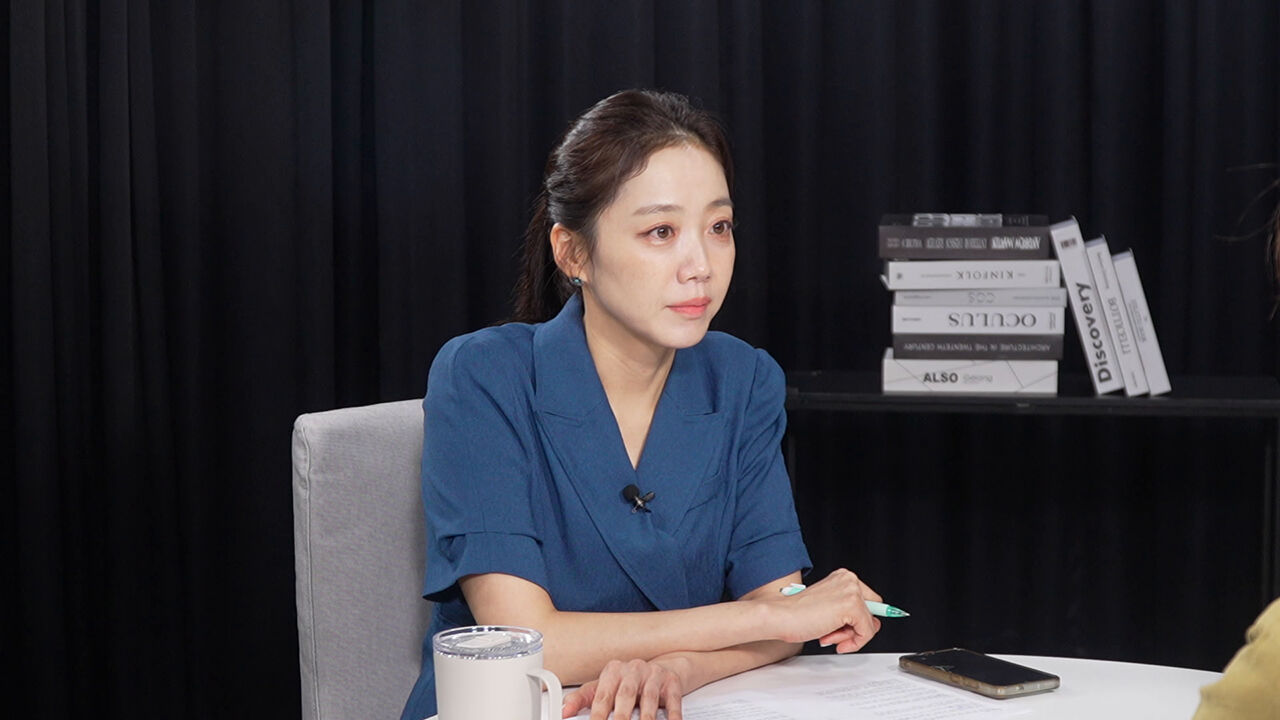
Director Pyo Chang-won: Why the missing person report was made three days after her disappearance must be clarified. The three-day gap needs to be uncovered. The police have likely investigated this part, but conclusions on it must first be reached. In addition, digital forensics on her mobile phone, as well as an in-depth investigation of all memos, records, and conversations, must be conducted. Because talk of suicide emerged prematurely in this case, the scope for uncovering the truth has significantly narrowed, raising regrets and questions as to whether the necessary areas can be properly investigated.
Q. Given the current condition of the body, is it impossible to discover any further factors pointing closer to the cause of death?
Director Pyo Chang-won: What had been hoped for was whether a third party's DNA might be found on the body. As mentioned, visible traces of wounds could not be detected with the naked eye due to severe decomposition. However, even if wound marks cannot be found, if there was forceful contact with a third party, DNA left behind from that contact could be secured. Somatic cells or bodily fluids might have rubbed off and attached. Therefore, we will have to wait and see whether such traces emerge and whether the National Forensic Service's analysis is finished or ongoing.
Q. The basis the police cited for presuming death by hanging was a "hyoid bone fracture."
Director Pyo Chang-won: That part is also problematic. The initial information I received from news reports regarding the National Forensic Service was a fracture of the hyoid bone or its displacement due to prolonged decomposition. However, the fracture aspect was overemphasized, leading to rumors circulating as if a fracture had been conclusively established.
The proper stance for the police should be to state: "At this point, the probability of suicide appears higher, but because the possibility of homicide remains open, we will continue investigating to reach a final verification." Only then will the bereaved family avoid harboring strong suspicions like, "Are they steering this in a particular direction? Are they trying to deceive us? Are they rushing to wrap this up and close the case?" The general public would feel the same.
Q. There is growing anxiety that the cause of Ms. Jang's death might ultimately remain unsolved.
Director Pyo Chang-won: I strongly share that anxiety. Looking at the legal regulations and procedures for handling unnatural deaths in our country, authority fundamentally rests with the prosecutor under Article 222 of the Criminal Procedure Act. The prosecutor makes the decision. But how does a prosecutor decide? A prosecutor is not a forensic expert. Typically, a police officer and a local public medical examiner examine the scene, and in serious cases, the National Forensic Service intervenes. But what will be the eventual result? Under these circumstances, forensic findings cannot confidently determine the cause of death. That is the inevitable outcome, and it could be classified as "cause of death unknown." Closing a case means determining the cause of death as either suicide or homicide; if it is homicide, an unnatural death case transitions into a murder investigation. But whether that is possible remains to be seen. If that cannot be done—if it cannot be closed as suicide, nor as an accidental death—then it becomes an unknown cause of death.
A case can be closed with the cause of death recorded as unknown. However, if there is strong pushback against closing it as an unknown cause of death and it is judged that more must be uncovered, it will remain open under internal pre-booking investigation status without being officially closed. It becomes what is commonly called an unsolved cold case. If it fades from public interest and media attention, it will remain a long-term cold case, and as time passes, uncovering the truth will only become more difficult.
※ Please note: This article was translated by AI and may contain errors.



 Video News

 Video News
 Video News
