
 KOR
KORVisiting Korea's First 'Low-Carbon' K-pop Concert
[Han Moon-gyu / CEO of Sound Alliance: We cautiously started this attempt because we believed such practices are necessary in the concert industry. That is why our festival's sub-theme is 'Start Wave.' It carries the meaning of taking one step at a time.]
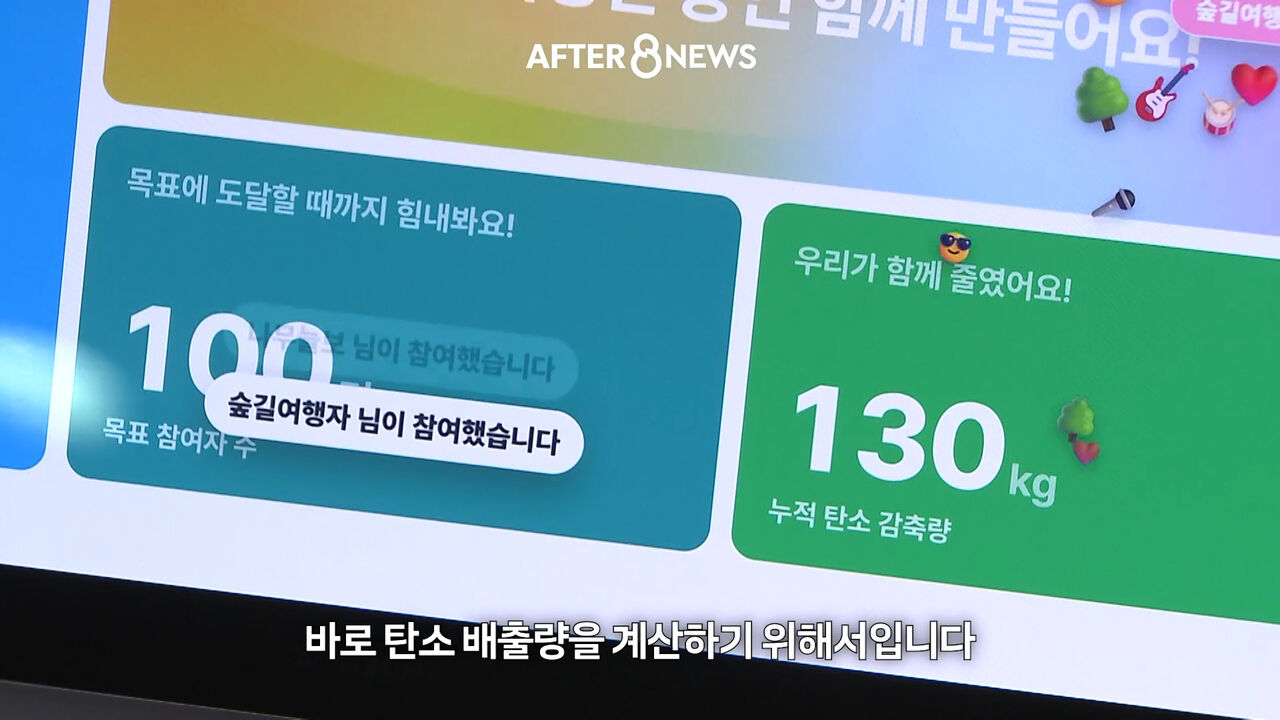
Unfamiliar scenes were also visible in the audience seats. QR codes appeared on the large display screens. When scanned, a page titled "Check My Carbon Footprint" popped up. Audience members entered their departure locations and modes of transportation, taking part in various surveys to calculate carbon emissions.
[Han Moon-gyu / CEO of Sound Alliance: For carbon emissions, most come from audience travel... so we are measuring whether they arrive by public transit or private cars. We are also measuring the amount of electricity used for the concert.]
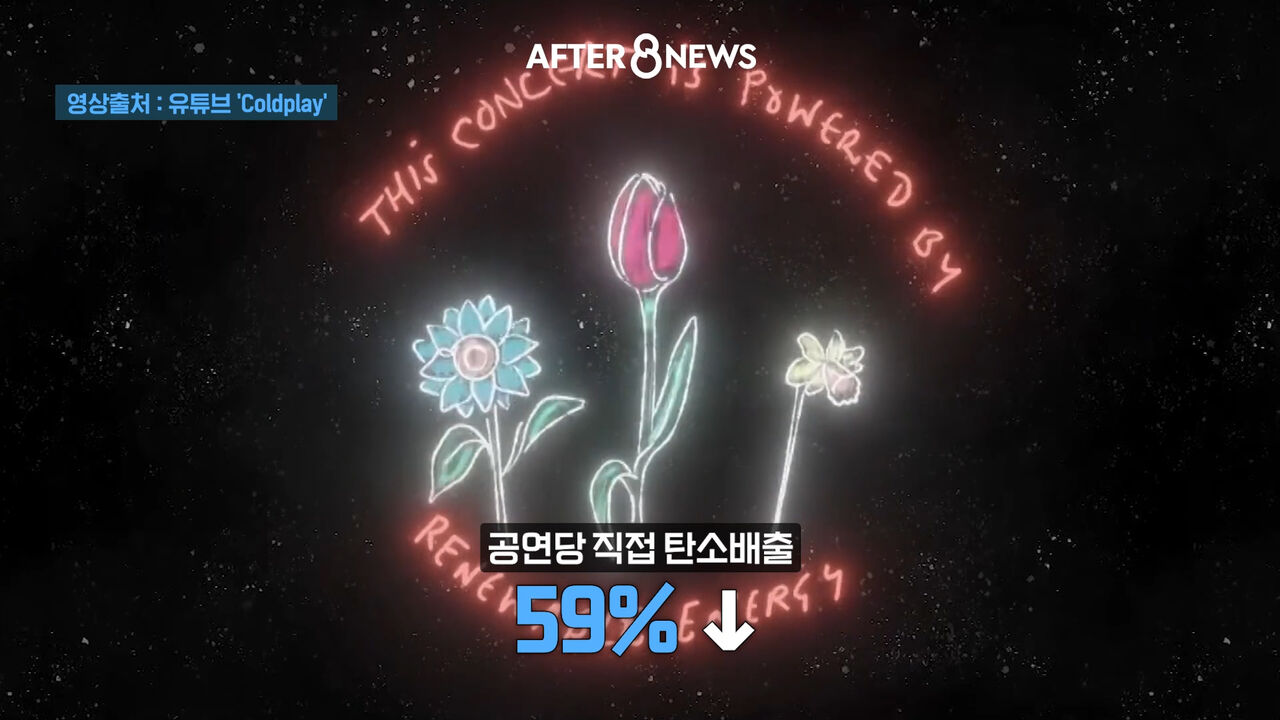
[Cho Hyo-jin / Head of Carbon Neutrality Service Provider: When tallied (midway through the event), the reduced portion (of carbon emissions) was about 20% compared to typical K-pop or festival concerts.]
Of course, this does not mean total emissions for the entire concert were reduced by 20%. Total concert emissions are calculated after the event concludes by combining electricity usage with the travel of audience members and staff. It is also true that this concert cannot strictly be called a 'carbon-neutral concert' just yet.
[Han Moon-gyu / CEO of Sound Alliance: We are cautious even about using expressions like 'we offset everything'... (Reporter: So you mean this is a stage where maximum efforts are being made toward carbon neutrality?) Yes.]
Going to Enjoy a Concert: Why Calculate Carbon?
What About Overseas Concerts?
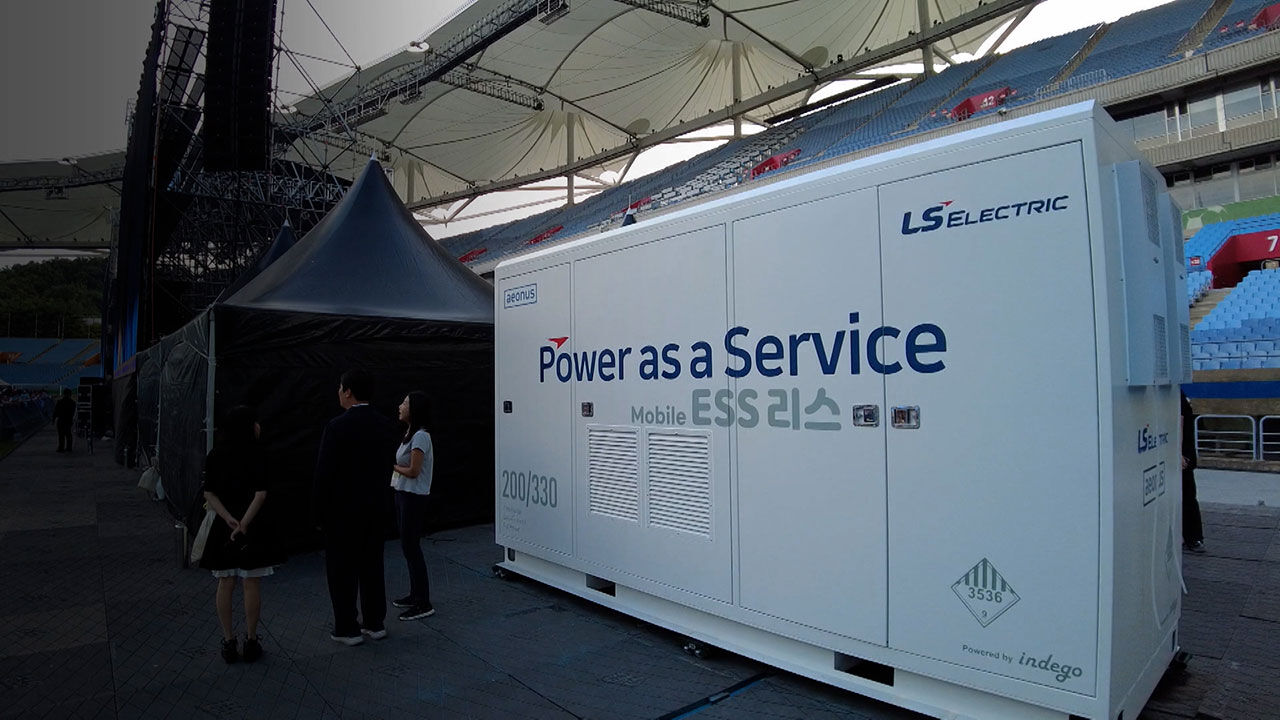
Using batteries does not automatically make an event low-carbon, because what matters is what kind of electricity was used to charge them. This is also why the festival decided to purchase Renewable Energy Certificates (REC) corresponding to the power consumed. This indicates that efforts by individual concerts alone have limitations, and the decarbonization of the power grid itself must progress together.
What About South Korean K-pop Agencies?
[Kim Na-yeon / Kpop4Planet Campaigner: Although they are showing changes, in reality, activities that substantially reduce carbon cannot yet be found.]
Fans' attitudes are already far ahead. When 601 global K-pop fans were surveyed, 92% answered that they want more low-carbon concerts. However, only 14% of fans had actually experienced one. When asked what change fans desire most, the top answer was neither renewable energy stages nor plastic bans. 'Idols directly delivering climate messages' ranked highest at 58.6%. There is a precedent demonstrating how powerful this can be: In 2021, when BLACKPINK took part in climate action campaigns as goodwill ambassadors for COP26, the global fan response was so immense that the British Prime Minister at the time sent a personal letter of gratitude. Kpop4Planet was also founded after witnessing that moment and confirming that "fans can make a difference." The campaigner's explanation of why fans feel so urgently about this was memorable.

The desire to protect the spaces where they meet their favorite artists is driving fans toward climate action. Why, then, is expansion difficult in South Korea? The festival organizer's answer was unexpected. It was not due to a lack of technology.
[Han Moon-gyu / CEO of Sound Alliance: The needs of those who want to apply eco-friendly methods to concerts and the needs of those putting on performances do not overlap... Those utilizing carbon neutrality and renewable energy want to make changes, but communication between them is inherently difficult.]
Because the needs and working styles of the climate-tech industry and the performance industry differ, simply connecting the two sectors is challenging. Cost issues are another reality.
[Han Moon-gyu / CEO of Sound Alliance: Transitioning to renewable energy incurs costs, and mobile power generation trucks still cost more... So overall, it is true that this festival costs more.]
Furthermore, institutional foundations remain lacking. While government guidelines for green events exist, they are standards established in 2008. There are currently no unified, up-to-date standards suited to today's K-pop concert industry and carbon measurement methods. Large concert venues are frequently operated by local governments, the performance industry falls under the Ministry of Culture, Sports and Tourism, and carbon and energy policies are linked to the climate authorities. As multiple entities are intertwined, experts point out the necessity of an inter-agency collaboration framework. Nevertheless, momentum has begun. Organizers stated they are discussing plans to hold one concert each in Seoul and Incheon next year, with inquiries from local governments expressing interest in participating. In addition, the formation of a consultative body involving the government and the industry for carbon-neutral concert guidelines is being pursued in the National Assembly.
[Curt Langer / Producer of Billie Eilish's 'Overheated': If representative K-pop artists and agencies introduce low-carbon standards, it will become a model that all other artists will want to follow.]
K-pop, having transformed the global stage, has now taken its first step toward potentially transforming the very way stages are made.
※ Please note: This article was translated by AI and may contain errors.





 Video News
 Video News
 Video News