
 KOR
KOR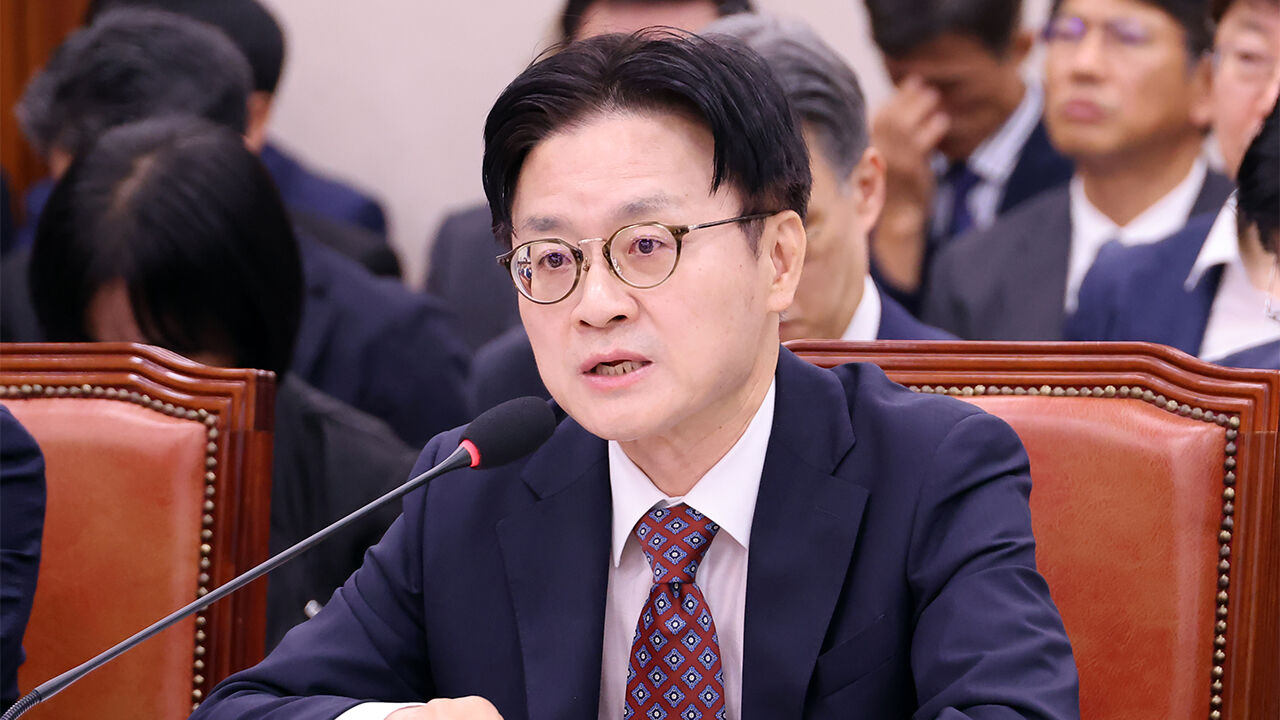
▲ Minister of Trade, Industry and Energy Kim Jeong-gwan answers questions from lawmakers during the first full meeting of the Trade, Industry, Energy, SMEs and Startups Committee at the National Assembly on the 12th.
Minister of Trade, Industry and Energy Kim Jeong-gwan stated regarding the selection of the Honam region as the second semiconductor production hub following the capital area, "The government first proposed the site to the companies."
During a full meeting of the National Assembly's Trade, Industry, Energy, SMEs and Startups Committee today (August 12), in response to a question from People Power Party lawmaker Kim Do-eup asking who first proposed the Honam location, Minister Kim replied, "The companies needed a site, and the government made a proposal regarding the necessary site."
He added, "We proposed various sites including Gwangju, and the companies made the final decision."
In response to a question from People Power Party lawmaker Woo Jae-jun asking what candidate sites other than Gwangju existed, he only answered "Yes" and did not disclose the specific regions.
The Honam semiconductor cluster will be established utilizing the Gwangju military airport site.
Samsung Electronics and SK Hynix are pursuing large-scale investments to construct two semiconductor fabs each, totaling four.
Minister Kim expressed his commitment to speed by mentioning the construction pace of TSMC's plant in Kumamoto Prefecture, Japan.
"In the case of TSMC's Kumamoto plant in Japan, it took 27 months from announcement to completion," he said, adding, "If it were up to me, shouldn't it be even faster than Japan?"
In addition, Minister Kim stated that consultations are underway with related ministries to include special exception provisions for the 52-hour workweek system in the "Mega Special Zone Special Act" to be enacted within the year.
When Democratic Party of Korea lawmaker Kim Won-i asked about the specific details of the working hours exception, Minister Kim explained, "We are discussing various forms such as a white-collar exemption and flexible working hours systems."
He also stated that discussions are underway to expand the overtime management unit from the current weekly basis to a monthly, quarterly, or half-yearly basis, and to extend the application period for flexible and selective working hours systems.
When asked whether exceptions to the 52-hour workweek application were included in the discussion targets, he answered "Yes."
(Photo: Yonhap News)
※ Please note: This article was translated by AI and may contain errors.




 Video News
 Video News

![[현장영상] 9명 '정원 초과'로 탄 엘리베이터…바닥으로 꺼져버린 아찔한 '3초'](http://img.sbs.co.kr/newimg/news/20260812/202211700_300.jpg) Video News
Video News