
 KOR
KOR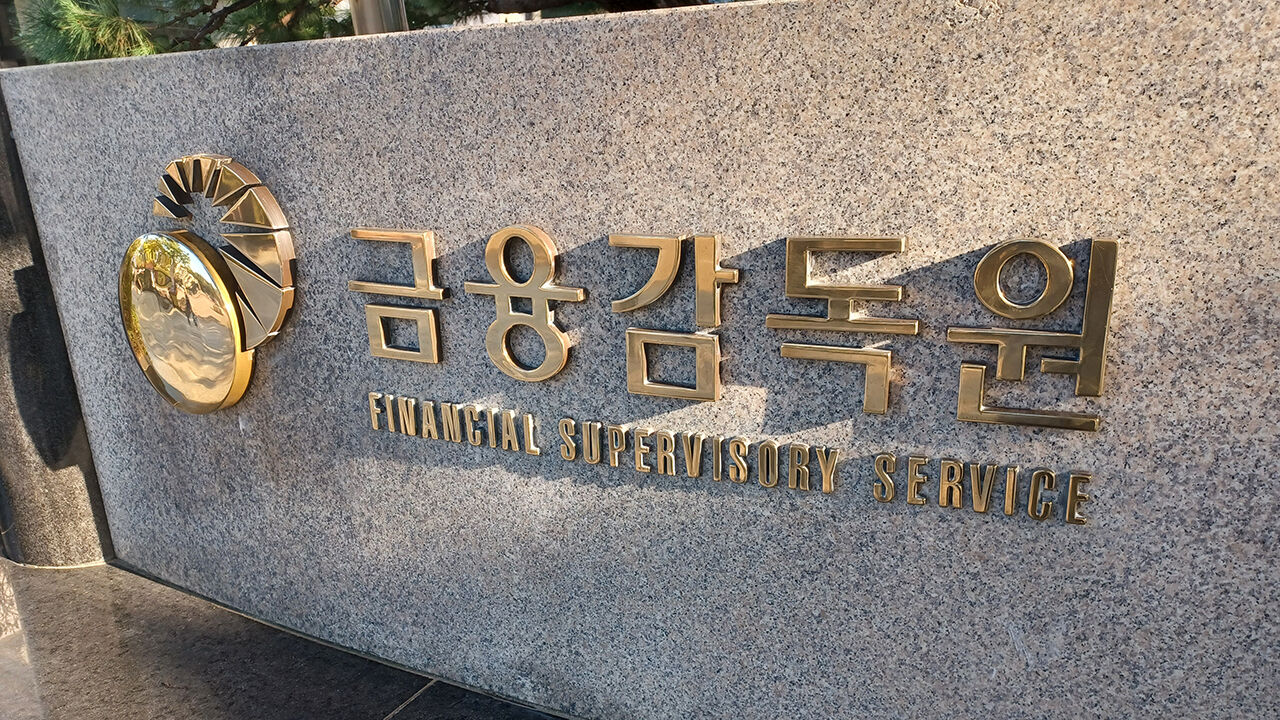
▲ Financial Supervisory Service
Investors are being urged to exercise caution as real estate funds, which are often perceived as safe investments, can result in the loss of their entire principal.
The Financial Supervisory Service (FSS) released major dispute cases and precautions for investors regarding overseas real estate public offering funds.
An investor, identified as Investor A, signed up for a fund after a securities firm employee assured them that it was safe without any worry of principal loss because the investment target was real estate, only to end up losing the entire principal.
However, as the securities firm employee's definitive expression was confirmed, Investor A was able to have the securities firm's liability for damages partially recognized for violating the prohibition on unfair solicitation.
Overseas real estate funds are typically operated in a leverage structure that purchases real estate with loans from local financial institutions. If repayment is not made by the maturity of the senior loan, the lender can forcibly sell the real estate by exercising its collateral rights.
Principal losses occur during this process.
In addition, according to local loan agreements, a "cash trap" can be triggered where rental income is preferentially attributed to the lender rather than the investors.
The structure is also one where dividend payments to investors can be suspended if the loan-to-value (LTV) ratio is exceeded or the vacancy rate rises.
Risks due to restrictions on early redemption are also significant.
Most real estate funds are established as closed-end funds, restricting the recovery of investment funds before maturity.
The FSS pointed out that even if an investor signs up without being properly informed about early redemption restrictions, it is difficult to be recognized as mis-selling.
This is because early redemption restrictions are an inherent characteristic of the real estate fund structure and are often stated in the prospectus.
Furthermore, the recovery of investment funds may not be made on time even after the fund matures.
The FSS explained that recovery timing can be delayed depending on the real estate sale or liquidation procedures, adding that even if one opposes maturity extension at a meeting of beneficiaries, fund recovery can be delayed if liquid assets within the fund are insufficient.
Moreover, while overseas public real estate funds set their maturity according to the tenant's contract period, maturity can be extended if market conditions deteriorate.
In this case, the risk of tenant eviction and vacancies increases, leading to a reduction in rental income and a decline in asset value, which results in principal loss.
The FSS advised that once a handwritten signature is given, it is difficult to be granted liability for damages later on the grounds of a breach of the duty to explain, urging investors to definitely request additional explanations before signing if the sales representative's explanation is insufficient.
It also emphasized that even with recommendations from sales staff, investors should personally review their own investment period and the level of loss they can endure before deciding to subscribe.
(Photo: Yonhap News)
※ Please note: This article was translated by AI and may contain errors.





 Video News

 Video News