
 KOR
KOR
A Seven-Year Legislative Void Remains Unfilled
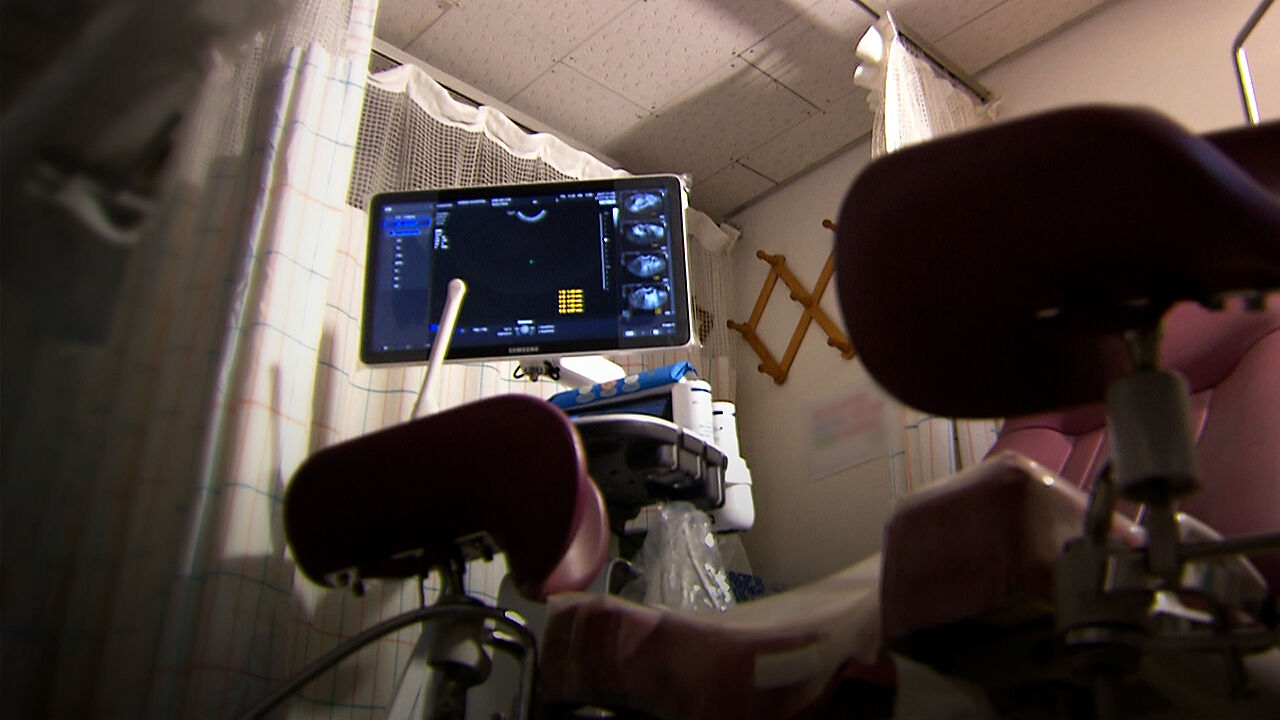
The deadline set by the Constitutional Court to revise the relevant provisions was December 31, 2020, but the National Assembly failed to reach a consensus by then, and the provisions lost their legal effect starting that day. The legislative void that began back then continues to this day in 2026. Although the punitive provisions have lapsed, Article 14 of the Mother and Child Health Act and Article 15 of its Enforcement Decree—titled "Permissible Limits for Artificial Pregnancy Termination"—remain in force, governing under what circumstances, up to how many weeks of gestation, and through which methods abortion is allowed. While some view the absence of criminal penalties as making all abortion procedures effectively permissible, the lack of clear resolution regarding these provisions of the Mother and Child Health Act leaves ongoing confusion in medical settings. Recently, another axis of debate has emerged: the introduction—specifically, the legalization—of abortion medications, represented by Mifegyne. Although the clause in Article 269, Paragraph 1 of the Criminal Act penalizing abortion by "drugs or other methods" has disappeared, there is still no legal provision explicitly "permitting" medical abortion. As a result, South Korea's Ministry of Food and Drug Safety still does not authorize the use of abortion medication.
National Task No. 98: "Improving Abortion Laws and Systems and Introducing Medication"
This provision of the Mother and Child Health Act, which had repeatedly surfaced and faded since April 2019, gained renewed attention when the Lee Jae-myung administration took office last year. The State Affairs Planning Committee, established in place of a presidential transition committee, released the "Lee Jae-myung Administration's Five-Year Plan for State Affairs," which listed "Guaranteeing Women's Safety and Health Rights" as National Task No. 98. Specifically, to guarantee sexual and reproductive health rights, it pledged to improve abortion laws and systems and introduce abortion medications.
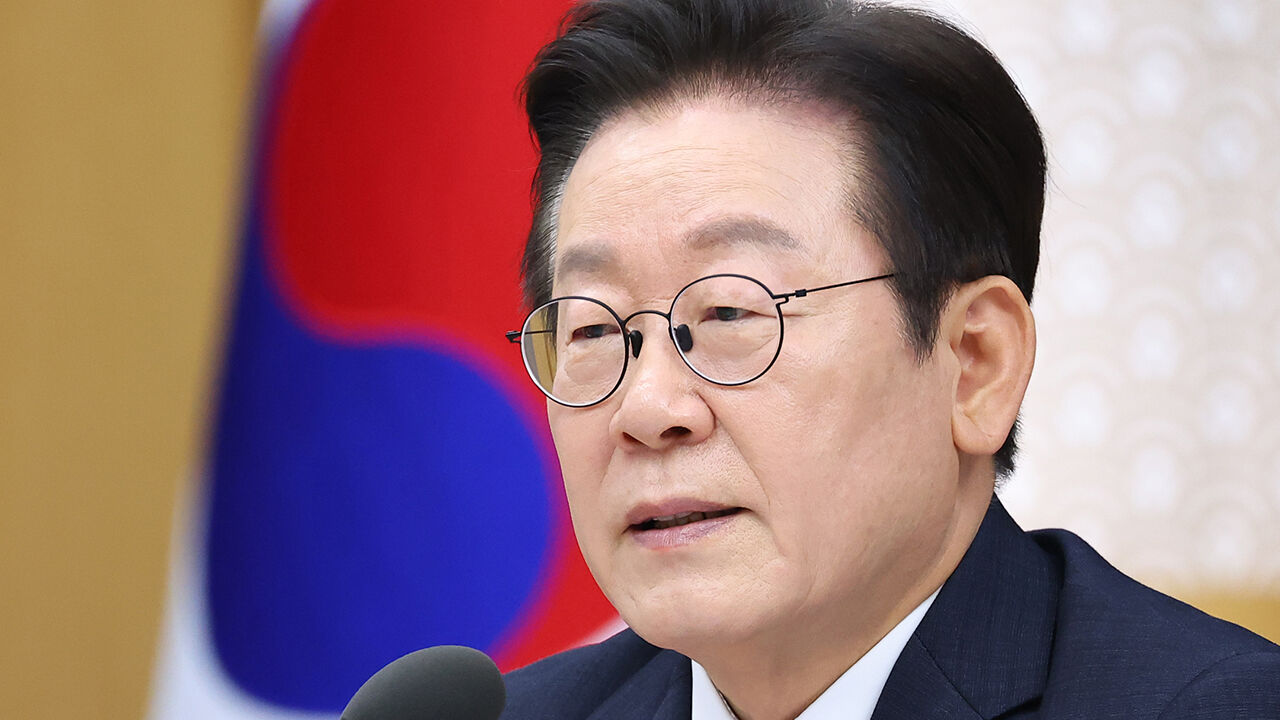
President Lee Jae-myung himself has consistently spoken about abortion medication. During a briefing by the Ministry of Gender Equality and Family last December, President Lee emphasized the need to introduce abortion pills, stating, "Isn't the government just turning a blind eye and leaving this unattended?" Minister of Gender Equality and Family Won Min-kyung responded, "I have been reported that several ministries are together deliberating on this matter." In response, President Lee pointed out, "I don't know how many years they have been 'deliberating.'" When answers followed that amendments to the Criminal Act and the Mother and Child Health Act were ultimately necessary, President Lee ended the discussion for the time being by suggesting, "Unless the law is clarified, is there no administrative way to handle this? Let's keep considering it."
Seven months have passed since then. A similar conversation was repeated at the Cabinet meeting on July 14. Highlighting once again the reality where women obtain abortion pills—whose authenticity is uncertain—on the black market through overseas direct purchases or secondhand sales platforms without a doctor's prescription, President Lee raised the issue, saying, "We should allow proper administration. I felt it was irresponsible for the government to proceed like this." Minister of Food and Drug Safety Oh Yu-kyung responded, "Once the legal framework is in place, we will carry out administration," while Minister of Gender Equality and Family Won Min-kyung replied, "Even before law revision, the Ministry of Food and Drug Safety can permit (the drugs)," effectively passing responsibility back and forth. Observing this exchange, President Lee diagnosed the reality: "By leaving it outside the law, the government may evade responsibility, but citizens are put in danger."
Women Resorting to Chemotherapy Injections for Abortions
While this drug is already used in 101 countries worldwide, in South Korea, in addition to illicitly procuring "illegal" drugs from the black market, some women are choosing chemotherapy injections—specifically, MTX injections. Methotrexate (MTX), an injectable drug originally approved to treat conditions like leukemia and osteosarcoma, is being used to induce abortions. According to obstetricians and gynecologists, this drug was originally used off-label to terminate ectopic pregnancies. Indeed, when this reporter visited an obstetrics and gynecology clinic in Gyeonggi Province last week requesting abortion counseling, the clinic presented two options: surgery or MTX injections. A clinic staff member, who quoted 850,000 KRW for two injections, responded to the reporter's question about whether it was dangerous by saying, "Rather than saying it is good or bad for the body, since it is a chemotherapy agent that also kills healthy cells, it can lower your immunity." Some clinics were even using MTX injections for 'intrauterine' pregnancies. Searching for MTX injections on web portals easily revealed OB/GYN clinics advertising the use of these injections for abortion. Some posts even claimed it was "very safe for the uterus." When calling directly to inquire whether MTX injections could be administered for an 'intrauterine' pregnancy, the staff explained that many women who feel burdened by early-stage surgery seek out these injections.

In fact, MTX injections are not a newly emerged option for women. The existence of MTX injections for this purpose was mentioned in official government documents as far back as 17 years ago. One example is the "Drug Safety Letter" sent to the medical community in November 2009 by the Ministry of Food and Drug Safety (then under the Director General of the Pharmaceutical Safety Bureau, prior to the Constitutional Court's non-conformity ruling on abortion penalties). Noting that information had been received indicating that MTX injections were being used for "illegal abortions" rather than their approved indications, raising safety concerns such as misuse and side effects, the Ministry issued a warning letter to doctors and pharmacists stating that off-label use was inappropriate. The Ministry then listed potential adverse effects that patients receiving this drug might experience, including abnormal oogenesis, ovarian dysfunction, infertility, hemorrhagic enteritis, and various severe infections. Women have been using a drug capable of leaving behind such severe complications—far beyond whether or not it successfully terminates a pregnancy—for abortion for at least 17 years. Can this truly be criticized simply as 'a choice made by women who do not value their own bodies'? We must examine whether they were simply pushed into a corner with access to other safe options blocked. One cannot help but ask what the relevant authorities, who must have known this situation better than anyone, have been doing all this time, and whether they have merely been 'evading responsibility while leaving the issue outside the legal framework.'
Has a Forum for Discussing "Abortion Law and System Improvements" Ever Really Opened?

Following the Lee Jae-myung administration's inauguration and the State Affairs Planning Committee's commitment, new partial amendment bills for the Mother and Child Health Act were proposed in succession. In July and December 2025, Representatives Nam In-soon and Park Joo-min of the Democratic Party proposed amendment bills, and in November 2025, Representative Cho Bae-sook of the People Power Party proposed another. While all shared the intent to fill the legislative void created by the Constitutional Court's ruling, the bills proposed by Representatives Nam and Park differed fundamentally in direction from Rep. Cho's bill. Looking first at the contrasting bills by Rep. Nam and Rep. Cho: Rep. Nam pointed out that despite more than six years having passed since abortion was decriminalized, women face severe difficulties due to the lack of official information and the underground nature of medical access. She proposed completely deleting Article 14 of the Mother and Child Health Act ("Permissible Limits for Artificial Pregnancy Termination"). In other words, by eliminating the five restricted conditions for artificial pregnancy termination, women's right to self-determination would be expanded. Furthermore, in Article 2 (Definitions), she proposed changing "artificial pregnancy termination surgery" to "artificial pregnancy termination," allowing terminations through medication as well as surgery, and further extending national health insurance coverage to these procedures. Conversely, Representative Cho Bae-sook emphasized that a fetus is a human life above all. Stating that public consciousness regarding the boundary between abortion and murder had become blurred since the Constitutional Court's decision, her bill proposed moving the 24-week limit currently contained in the Enforcement Decree into the parent law itself, while reducing the limit to 22 weeks. Additionally, her bill introduced a clause protecting doctors from unfavorable treatment if they refuse a request for artificial pregnancy termination. It contained no provisions regarding the introduction of abortion pills.
In March, these bills reflecting various viewpoints were jointly submitted to the plenary meeting of the National Assembly's Health and Welfare Committee and referred to the First Legislation Review Subcommittee the following day. Lee Se-ran, then First Vice Minister of Health and Welfare who attended the subcommittee meeting, stated that given the high public interest in the Mother and Child Health Act, particularly around Article 14, discussions should continue after the government prepares a consolidated proposal. Representative Kim Seon-min of the Rebuilding Korea Party expressed concern that discussions would continually go in circles and urged setting a deadline or beginning discussion on at least part of the issues. Representative Baek Hye-ryun of the Democratic Party added that it was right for the government to present a consensus draft if possible, requesting a government bill within one to two months. In response to repeated questions setting a deadline, Vice Minister Lee answered, "We will ensure discussions take place in the first half of the year at the latest." Yet even now, as the first half has passed into the second half of the year, there is no sign of a government proposal emerging.
Amidst this situation, President Lee Jae-myung raised the question at the Cabinet meeting on July 14 whether a law revision was truly a necessary prerequisite. Arguing that starting a debate on "up to how many weeks abortion should be allowed" would lead to endless overnight arguments on an issue that doesn't require it, he called for a pragmatic approach. In doing so, he brought up the concept of "doctor's discretion." Reasoning that doctors make decisions regarding human lives as part of their profession, he suggested that doctors should comprehensively weigh respect for fetal life and women's health to decide whether to prescribe abortion pills on a case-by-case basis. While he argued this would be better than women taking drugs in the shadows without prescription or supervision, it leaves an inescapable impression of shifting the heavy burden of ethical decision-making onto individual doctors without explaining whether the government ever "stayed up all night" debating fiercely, or whether it conducted intense discussions and gathered opinions across political parties and civil society to produce a government draft within the promised first half of the year. The Korean Association of Obstetricians and Gynecologists immediately criticized the move, stating, "The National Assembly and the government have abdicated their duty to enact replacement legislation and reform the system," adding, "Forcing doctors to prescribe medication based solely on arbitrary judgment without a clear legal framework—such as an amended Mother and Child Health Act specifying legal gestational limits and permissible criteria—is a cowardly act that throws the medical field into a maelstrom of legal risks and disputes."

The Mother and Child Health Act Has Reflected Its Times... What About in 2026?
Since then, the history of amendments to the Mother and Child Health Act has mirrored the shifting nationalist ideology over time. In 2005, entering an era of concern over population decline, the Framework Act on Low Birthrate in an Aging Society was enacted, accompanied by explicit provisions on postpartum care businesses in the Mother and Child Health Act. In 2009, the legal definition of "maternity" was amended to include not only pregnant women but also "women of childbearing age." The Ministry of Government Legislation stated that the revision aimed to efficiently promote measures for maternal and infant health in an era of low birth rates. Provisions regarding sterilization and contraception procedures were removed, while new legal grounds were established for projects supporting in vitro fertilization (IVF) costs. In 2015, the concept of "subfertility" (infertility) was newly defined in the Act, with the rationale of encouraging active pregnancy and childbirth to help address low birth rates. Ultimately, from its inception, the Mother and Child Health Act carried an instrumental nature as part of family planning efforts, and today it functions as a legal foundation supporting natalist policies.
The reason for recounting the history of the Mother and Child Health Act in this article is to point out how the times—and furthermore, the state's perspective on addressing the issues embedded within them—are projected into the Act. If so, considering the reality of how abortions take place today in 2026, one arrives at the conclusion that the state must not leave the Mother and Child Health Act "unattended." On the other hand, some point out that continuing to view abortion strictly within the current framework of the Mother and Child Health Act will reduce it to merely a factor threatening maternal health. Such arguments are interpreted as calling for a comprehensive revision of the Mother and Child Health Act or the enactment of entirely new legislation. There are also calls to deliberate whether "socioeconomic grounds" should be included in Article 14 ("Permissible Limits for Artificial Pregnancy Termination"), an issue that has been contentious since its inception. Yet far from reaching debate on these more contentious aspects, the prevailing view is that the current Mother and Child Health Act and the relevant authorities surrounding it have engaged in continuous "omission." In a commentary, the People's Health Institute noted that the authorities "have operated in a manner that delays access to safe abortion and passes the resulting risks onto individuals," calling it "not an absence of responsibility, but a deliberate political choice"—an "exercise of power that defers the state's duty to guarantee reproductive health." To avoid further criticism of this nature, relevant authorities must step up responsibly and engage in discussions to amend the Mother and Child Health Act in line with the Constitutional Court's decision to guarantee women's right to self-determination. There is no reason for the Mother and Child Health Act to remain a "hot potato" forever. This is a demand from reality to literally fulfill National Task No. 98 pledged by this administration: "Improving abortion laws and systems and introducing medication."
* References consulted for this article:
- Kim, Sun-hye. 2020. From Maternal Duty to Reproductive Rights: Critical Review and Revision Direction of the Mother and Child Health Act. Ewha Journal of Gender and Law, Vol. 12, No. 2, pp. 1–44.
- People's Health Institute. The Oldest Decision Surrounding Abortion: Doing Nothing. People's Health Commentary.
- Shin, Yu-na and Choi, Kyu-jin. 2020. History of Article 14 (Permissible Limits for Artificial Pregnancy Termination) of the Mother and Child Health Act: Meaning Changes Following Population Policy Shifts and Debates on Including 'Socioeconomic Grounds'. Critical Social Policy, No. 66, pp. 93–130.
- Jang, Min-sun. 2015. Study on Revision Directions of the Mother and Child Health Act to Support Healthy Pregnancy and Childbirth. Issue Analysis 2015-04. Korea Legislation Research Institute.
- Korea Institute for Health and Social Affairs. 1991. 30 Years of Population Policy.
※ Please note: This article was translated by AI and may contain errors.


 Video News
 Video News
 Video News
 Video News
