
 KOR
KOR'64 Consecutive Hours of Work': Where This Has Become Daily Routine
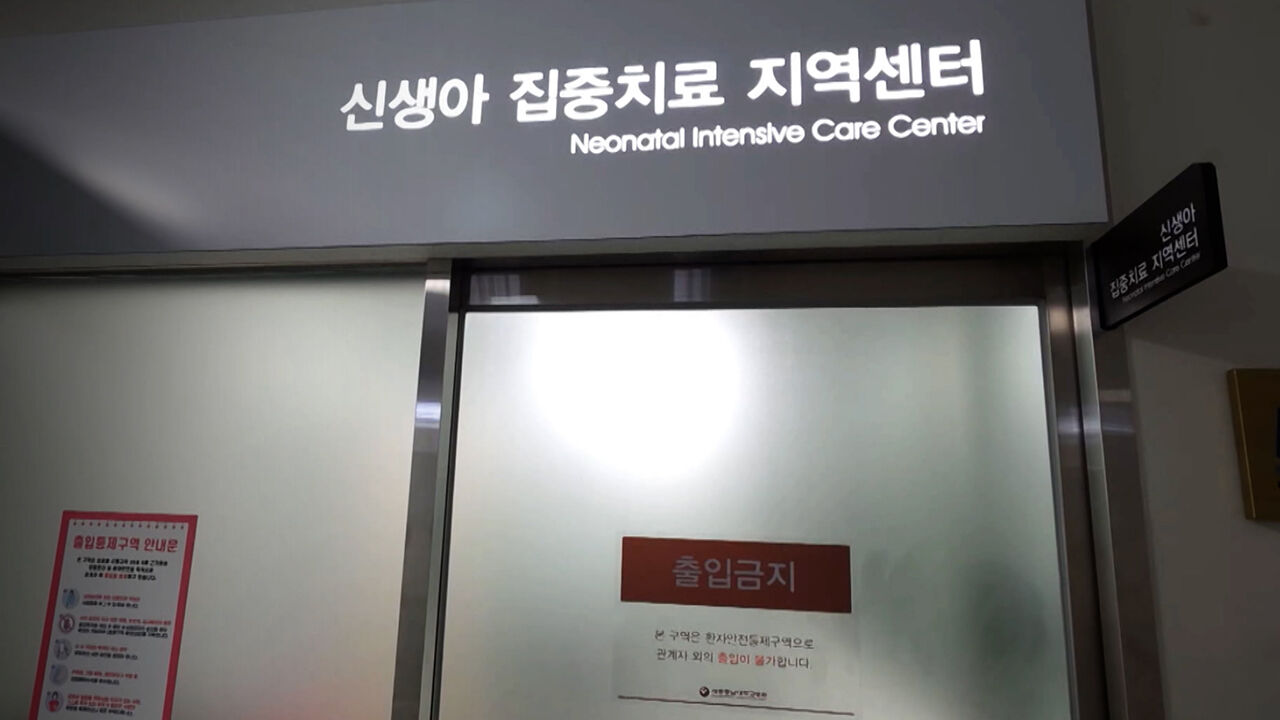
Lee Byung-gook / Professor of Neonatal Intensive Care Unit at Sejong Chungnam National University Hospital
[Because there was a baby in poor condition in the early hours from Sunday to Monday, I came in at 2:00 a.m., and (my shift continues) until 6:00 p.m. on Tuesday and Wednesday.]
In short, this amounts to 64 consecutive hours of work. Shifts lasting tens of hours are said to be routine in NICUs across the nation. This is because 24-hour monitoring and immediate emergency interventions are indispensable.
Lee Byung-gook / Professor of Neonatal Intensive Care Unit at Sejong Chungnam National University Hospital
In a brief moment, situations can arise where a baby's breathing completely stops, blood pressure drops, or a brain hemorrhage occurs. We have to administer treatment as quickly as possible to prepare for these situations.
On the day of coverage, all 20 beds in the NICU were occupied. Most patients were premature infants born before 37 weeks of gestation, and several were extremely low birth weight infants weighing under 1 kg.
Lee Byung-gook / Professor of Neonatal Intensive Care Unit at Sejong Chungnam National University Hospital
For babies born weighing under 1 kg, many critical situations tend to occur within the first week or so. Even if it's not apparent on the surface right now...
Due to these characteristics, highly experienced medical specialists are essential in the NICU.
Lee Byung-gook / Professor of Neonatal Intensive Care Unit at Sejong Chungnam National University Hospital
When newborns experience slight changes in condition, they cannot express it, and outward symptoms are extremely subtle. If these are not caught as early as possible, they lead to lifelong complications in most cases. For instance, if a premature infant remains in poor condition for an extended period, it leads to brain hemorrhage, which eventually develops into cerebral palsy and neurological paralysis as they grow up, making normal social life impossible. To detect these as early as possible and provide the best care, experienced staff are required...
The night shift is equally fast-paced with no room to catch one's breath. Frequently checking the condition of premature infants inside incubators with weak hearts right after birth, or inserting arterial catheters inside the unit when blood pressure drops—even locating the artery itself is no simple task.
Lee Byung-gook / Professor of Neonatal Intensive Care Unit at Sejong Chungnam National University Hospital
If you look at the babies' wrists, they are tiny like this, and the radial artery inside is extremely small. There is no other way than feeling the pulse directly to find it, as it isn't visible to the eye. While placing arterial catheters in such small vessels, complications can also occur. There is the possibility of bleeding and infection, and if a blood clot forms, tissue necrosis around the area can easily happen.
Even past midnight, seven hours after arrival, the process of repeatedly checking the condition of a newborn weighing less than 600 g continues.
Neither Meals Nor Sleep Are Easy
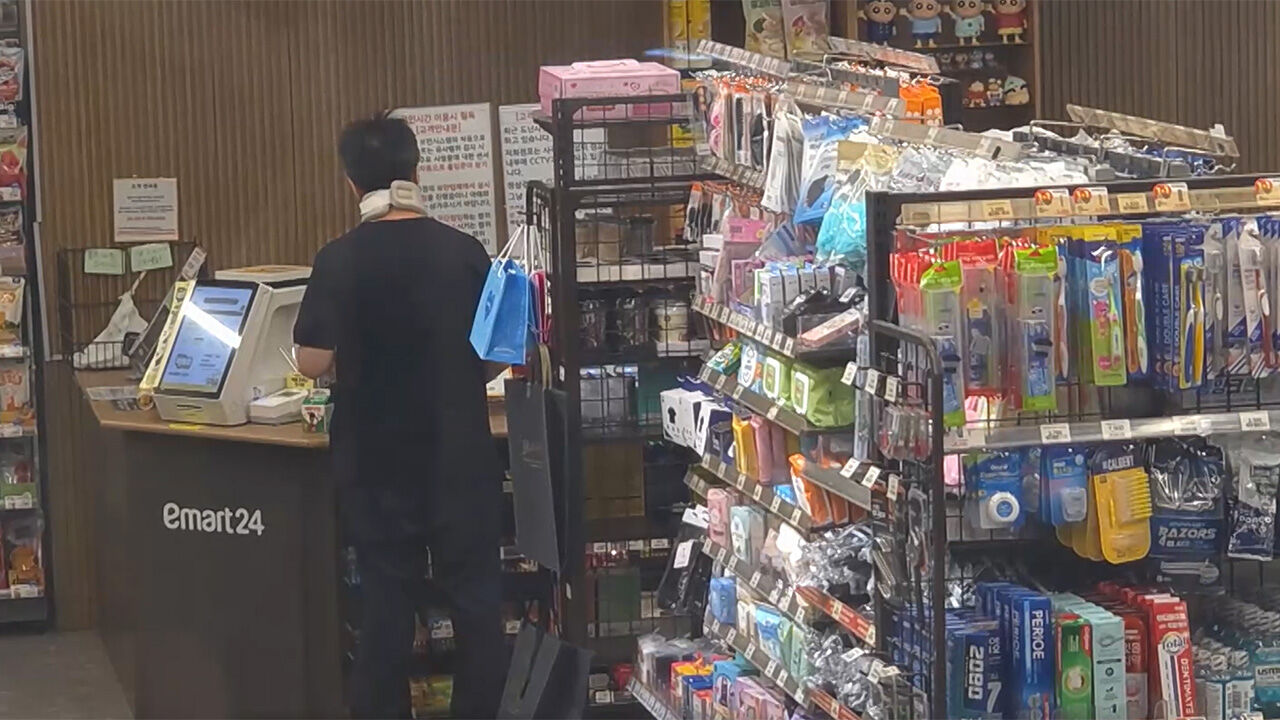
Monitoring the unit 24 hours a day and providing continuous care makes even finding time for meals difficult. When a short window opens up, he visits a convenience store near the hospital to grab a simple dinner of sandwiches, plain milk, and protein drinks.
Lee Byung-gook / Professor of Neonatal Intensive Care Unit at Sejong Chungnam National University Hospital
(Days without emergency situations are the best, right?)
That is my hope. Actually, since we never know when a baby will be born, it's true that we should always remain on standby. But my greatest hope is to stay on standby with no work and no patients. That would mean the babies are not sick. That is my biggest hope.
During quiet moments, while eating his meal in his office right next to the NICU, he must also prepare for medical school lectures scheduled for the next morning.
Lee Byung-gook / Professor of Neonatal Intensive Care Unit at Sejong Chungnam National University Hospital
Tomorrow I have to give four consecutive hours of lectures to medical students. Time is tight because of patient care, but I am barely managing to prepare for tomorrow's class.
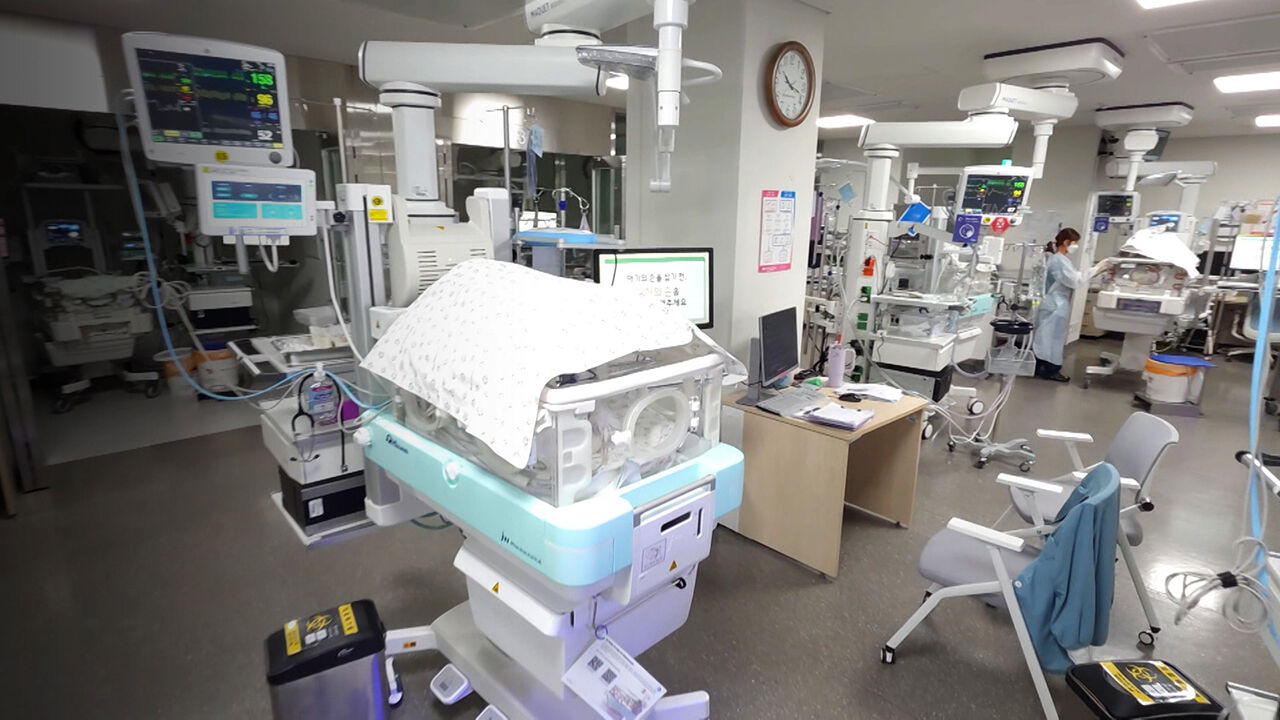
Even after catching a brief nap past 1:00 a.m., he gets up an hour later to tend to patients again. Nurses working three shifts are equally busy day and night. Feeding formula every three hours to two or three assigned infants, they continuously check for abnormalities and provide care.
Yoon Ye-rin / Nurse at Neonatal Intensive Care Unit at Sejong Chungnam National University Hospital
When an alarm rings, we have to run right away, so it requires constant attention.
(Going to the restroom must not be easy either?)
Yes. That's why I have to ask a colleague nearby, 'I'm going to the restroom, so please keep an eye on them for a moment,' before I can go.
"It's Tough Due to a Cervical Disc Herniation, But Without Me..."
Lee Byung-gook / Professor of Neonatal Intensive Care Unit at Sejong Chungnam National University Hospital
We almost never turn down an emergency patient nearby just because we are exhausted. We only decline when it is physically impossible to accept them. If we truly couldn't accept a patient because of capacity and later hear follow-up news, we are always on edge. If a problem occurred, we suffer from a sense of guilt, wondering, 'Should I have taken them in back then?' or 'Should we have pushed ourselves to accept them?'
According to a recent complete enumeration survey by the Korean Society of Neonatology, there are currently 65 open NICUs and a total of 199 neonatal specialists nationwide. Sixty-five percent of these specialists are concentrated in the Seoul metropolitan area, with a total of only two in Sejong, Jeonbuk, and Jeju combined, and only one each in Gyeongbuk and Chungbuk. Specialists like Professor Lee, who handle both daytime medical care and night shifts, account for 78%, or 154 doctors. Over the past three years up to June this year, 98 specialists resigned or transferred from NICUs nationwide, and as many as 30 specialists plan to resign or have expressed an intention to resign within the next year, pushing staff departures beyond concerning levels. The crisis is now a reality. When asked about current staffing, 17 NICUs—27%—responded that if even one specialist leaves, "operation would become impossible, and closure would have to be considered."
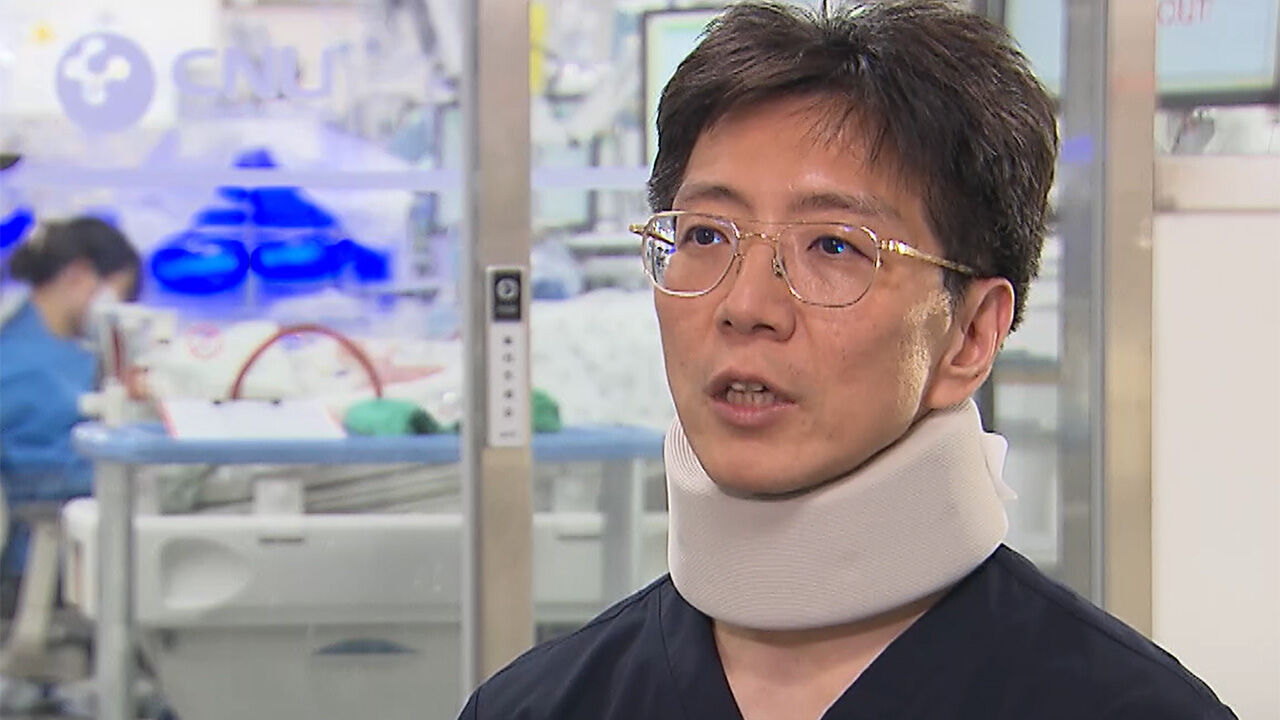
Lee Byung-gook / Professor of Neonatal Intensive Care Unit at Sejong Chungnam National University Hospital
My neck is giving me a tough time due to a disc herniation, but I am holding out. I hope it recovers, but if things go wrong, or if something happens to my personal health tomorrow, this place will become empty. Such a thing must not happen...
"My Family and I Cannot Do It"
Lee Byung-gook / Professor of Neonatal Intensive Care Unit at Sejong Chungnam National University Hospital
Among the patients we treat, 10 out of 100 premature infants actually pass away. Among them, for babies weighing under 1.5 kg or under 1 kg, the mortality rate becomes progressively higher. No matter how much we do our best and try, a portion of the patients we see will inevitably result in tragic outcomes, and a portion of the surviving babies will inevitably have complications. I believe the legal burden they might face is a major reason why pediatric resident physicians feel fear in advance and refrain from applying for neonatal subspecialties.
Professor Lee cannot forget the words left by the last resident physician who worked with him in the past.
Lee Byung-gook / Professor of Neonatal Intensive Care Unit at Sejong Chungnam National University Hospital
When I encouraged them by saying, 'You work so hard, how about doing this together with me?', that resident said, 'I respect you very much, Professor, and I think what you do is truly wonderful work. But my family and I cannot do it. It is far too difficult a job for us to do.'
The Driving Force to Keep Fighting Nonetheless
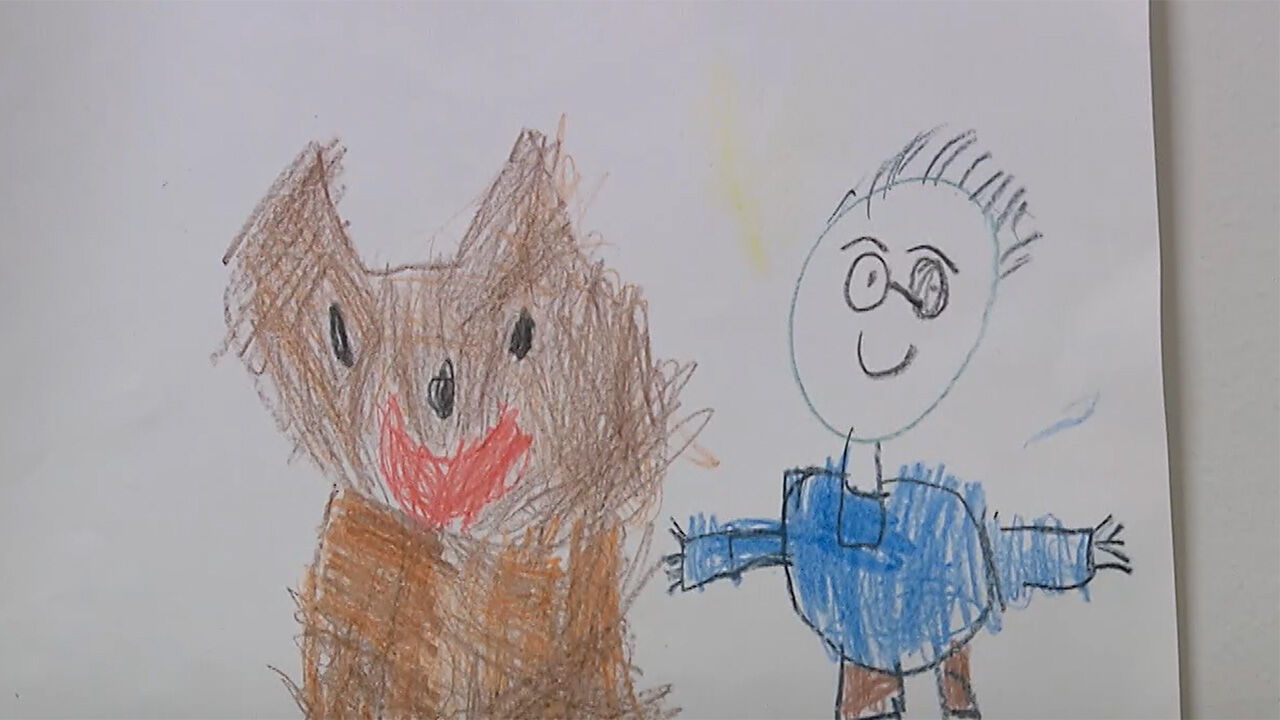
Nonetheless, Professor Lee spoke about the driving force that keeps him fighting every day:
Lee Byung-gook / Professor of Neonatal Intensive Care Unit at Sejong Chungnam National University Hospital
The first reward is when babies grow well here and leave, when parents hold them as they depart, seeing how happy the parents are—and the babies are happy too, actually. Others might not know, but I feel like I can sense it. Also, occasionally when they write me letters or draw pictures like that, or like that drip coffee made by a baby's mother with the face of her newborn printed on it—I haven't opened it because it feels too precious.
After completing his 14-hour night shift, with 10 hours still remaining until he can head home in the morning, Professor Lee hurried his steps toward the medical school for his lecture.
Lee Byung-gook / Professor of Neonatal Intensive Care Unit at Sejong Chungnam National University Hospital
I have to quickly return after finishing the medical school class, do afternoon rounds, check on the kids, remain on standby, and if anything special happens, treat them again...
In the NICU's night, which was exceptionally deep before sunrise, Professor Lee also left this request:
Lee Byung-gook / Professor of Neonatal Intensive Care Unit at Sejong Chungnam National University Hospital
It would be great if we could save 100% of the babies and 100% of the mothers, but as we are not gods capable of that, there might be areas where we fall short. However, everyone is truly doing their best in their respective positions. When a problem occurs, if people try to support fixing it and offer a bit more encouragement rather than criticism, I believe we will be able to gather a bit more strength.
※ Please note: This article was translated by AI and may contain errors.





 Video News
 Video News