KOR
KOR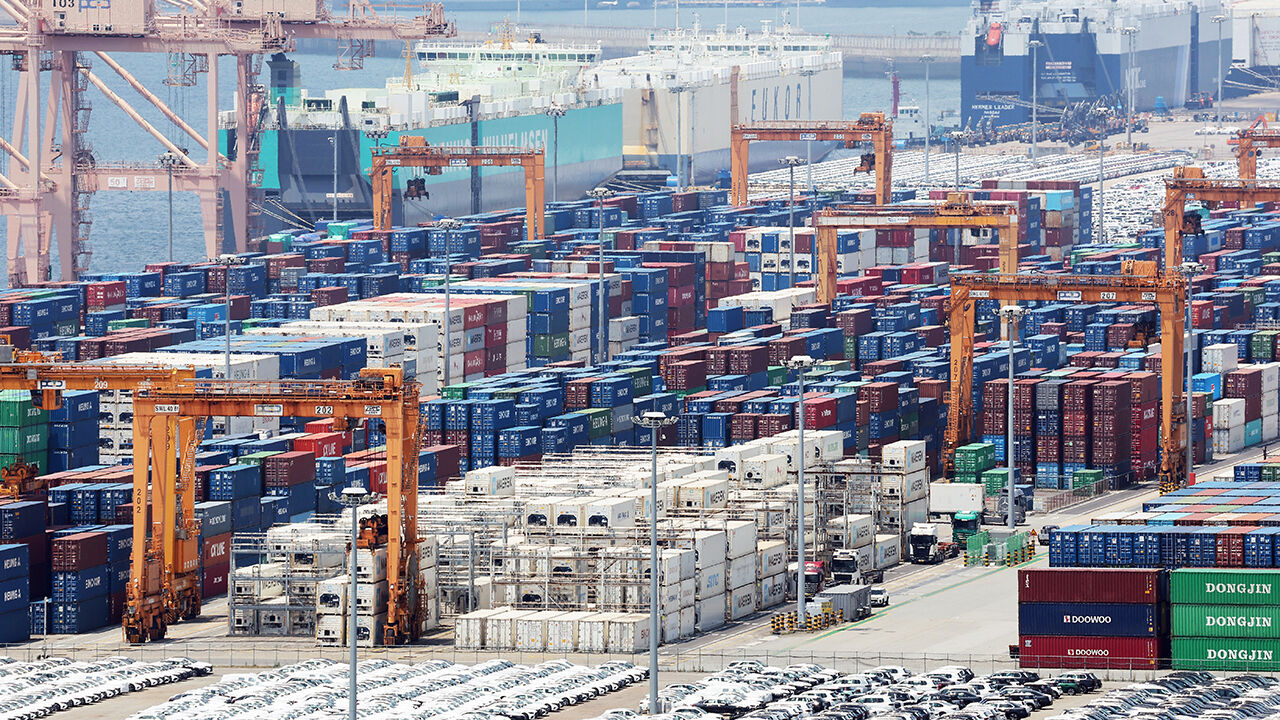
▲ Containers stacked at Pyeongtaek Port
As the fallout from the Middle East conflict triggers a surge in international oil prices and freight rates, the logistics cost burden on South Korean export companies is growing. However, a significant number of businesses are struggling with declining profitability as they fail to reflect these increases in product prices.
According to a survey on export logistics bottlenecks caused by oil price fluctuations in the first half of the year released by the Korea International Trade Association (KITA) today (July 26), 83.1% of 219 domestic manufacturing exporters cited rising freight rates as their greatest logistics hurdle in the first half.
In fact, the Shanghai Containerized Freight Index (SCFI) has surged 2.3 times compared to levels before the Middle East conflict.
However, it was found that many export companies are failing to pass these increases onto sales prices and are instead absorbing the rising costs themselves.
A full 78.1% of responding companies reported that their cost reflection rate in pricing was under 20%.
Companies answering that they could not reflect costs at all reached 32.9%.
Meanwhile, only 5.5% stated they reflected 80% or more of the increased costs in their prices.
Consequently, 85.9% of responding companies reported a decline in their operating profit margins for the first half of this year.
In particular, 39.3% of companies reported that their operating profit margins dropped by 3 to 5 percentage points.
Considering the average operating profit margin of small and medium-sized manufacturers last year (4.6%), businesses are facing a severe deterioration in profitability.
KITA analyzed that the logistics cost burden on export companies is expected to persist for the time being due to the aftermath of the Middle East conflict.
(Photo: Yonhap News)
※ Please note: This article was translated by AI and may contain errors.



 Video News