
 KOR
KOR
▲ South Korea Reconsiders Basis for 'Forced Labor Tariffs' with USTR
The Donald Trump administration imposed 10% to 12.5% "forced labor tariffs" on 60 countries on the 23rd (local time) under Section 301 of the Trade Act.
South Korea effectively hit a 12.5% tariff.
The new tariffs were introduced as a replacement just seven hours before the expiration of the "10% global tariff," which had been adopted following the U.S. Supreme Court's ruling in February invalidating reciprocal tariffs.
The Office of the United States Trade Representative (USTR) announced at 5 p.m. that day that it was finalizing 10% to 12.5% tariffs on 60 countries, taking issue with the import of products produced with forced labor.
For South Korea and Japan, if the most-favored-nation (MFN) tariff rate for a specific product is below 12.5%, it will be combined with the forced labor tariff to total 12.5%. If the MFN tariff is 12.5% or higher, the forced labor tariff will be set to 0%.
This ensures that the combined rate reaches a minimum of 12.5%.
The European Union (EU) and Taiwan were also instructed to apply the same method based on a 10% benchmark.
This appears to apply separate criteria to countries that have reached trade agreements with the United States.
The USTR emphasized, "Setting a total tariff cap in this manner is consistent with agreements such as reciprocal trade agreements and is appropriate for ensuring that these economic entities create and effectively enforce bans on importing goods produced with forced labor."
A 10% rate was applied to 17 countries, including the United Kingdom, India, Mexico, Canada, and Argentina.
The remaining countries were subjected to a 12.5% tariff.
The USTR's judgment is that the 60 targeted countries have either failed to introduce or properly implement import bans on goods produced with forced labor, thereby burdening U.S. trade.
The forced labor tariffs will take effect starting at 12:01 a.m. on the 24th.
They take effect as soon as the 10% global tariffs expire.
The 60 countries targeted by the forced labor tariffs virtually encompass major U.S. trade partners.
The USTR explained that products coming from these 60 countries account for 99% of U.S. imports.
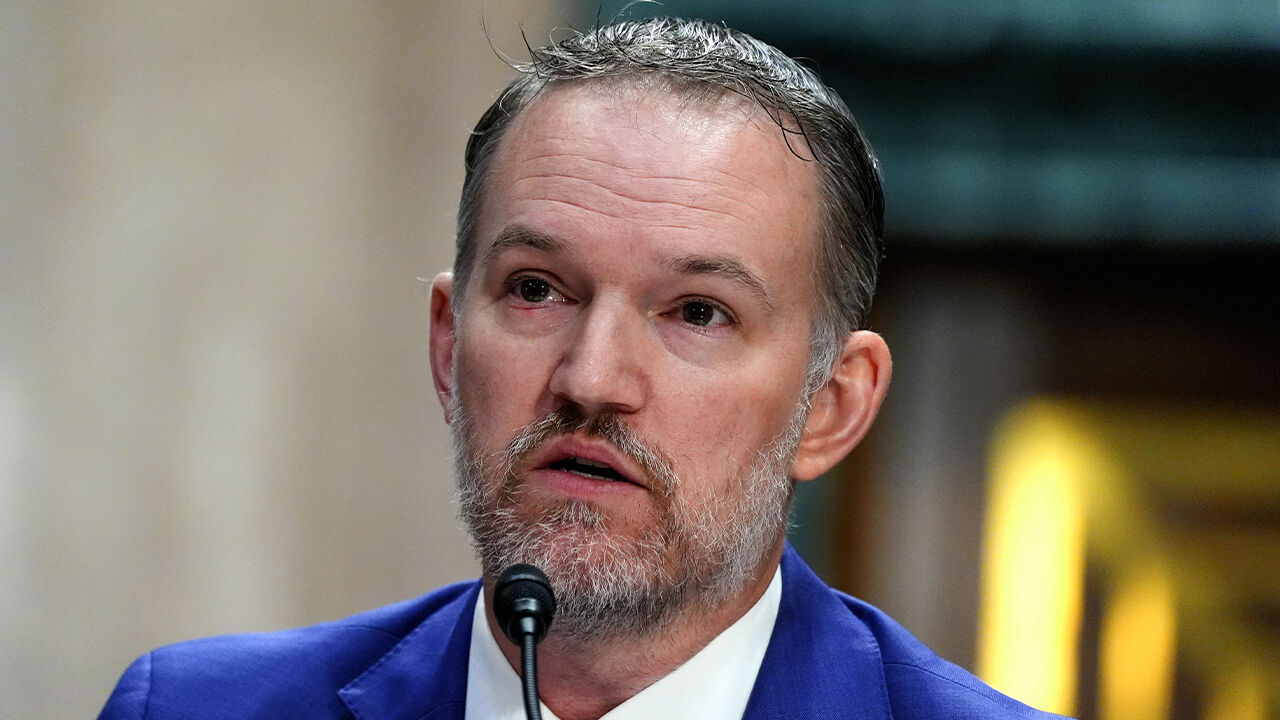
USTR Representative Jamieson Greer emphasized, "President Trump recognizes that decades of moral persuasion have failed to eradicate forced labor from global supply chains. The United States has banned the import of goods produced with forced labor for nearly a century and has strictly enforced it. It is time for our trade partners to take the same action."
The USTR had previously announced such tariff plans early last month.
After gathering rebuttal opinions from the targeted countries and going through relevant procedures, the final tariffs were finalized on this day.
Previously, the USTR initiated separate investigations in March, stating that various countries burden U.S. trade through the import of products manufactured via structural overcapacity and forced labor.
Section 301 of the Trade Act grants the executive branch the authority to respond to unfair or discriminatory practices and policies of foreign governments through tariffs, and South Korea became a target of both investigations.
The latest "forced labor tariffs" reflect the Trump administration's determination to continue its tariff policies despite the federal Supreme Court's brakes.
In February, the U.S. Supreme Court ruled illegal the reciprocal tariffs the Trump administration had imposed on various countries under the International Emergency Economic Powers Act (IEEPA).
Accordingly, the Trump administration imposed a 10% global tariff on countries worldwide under Section 122 of the Trade Act, but it was limited to a maximum of 150 days, making the expiration deadline midnight on the 24th.
The structure is designed such that global tariffs under Section 122 filled the vacuum of reciprocal tariffs erased by the illegal ruling, and as the global tariff term expires, they are replaced by Section 301 tariffs.
The issue is the final tariff figures South Korea will face.
South Korea previously lowered its tariff from 25% to 15% through a trade agreement with the U.S. that included USD 350 billion in investment in the U.S. last year.
If the sum of the forced labor tariffs and the overcapacity tariffs expected to be imposed soon exceeds 15%, it would become less favorable than the trade agreement.
USTR Representative Jamieson Greer publicly stated last month that he would respect the trade agreements concluded with various countries.
(Photo: AP, Yonhap News)
※ Please note: This article was translated by AI and may contain errors.



 Video News

 Video News
 Video News