
 KOR
KOR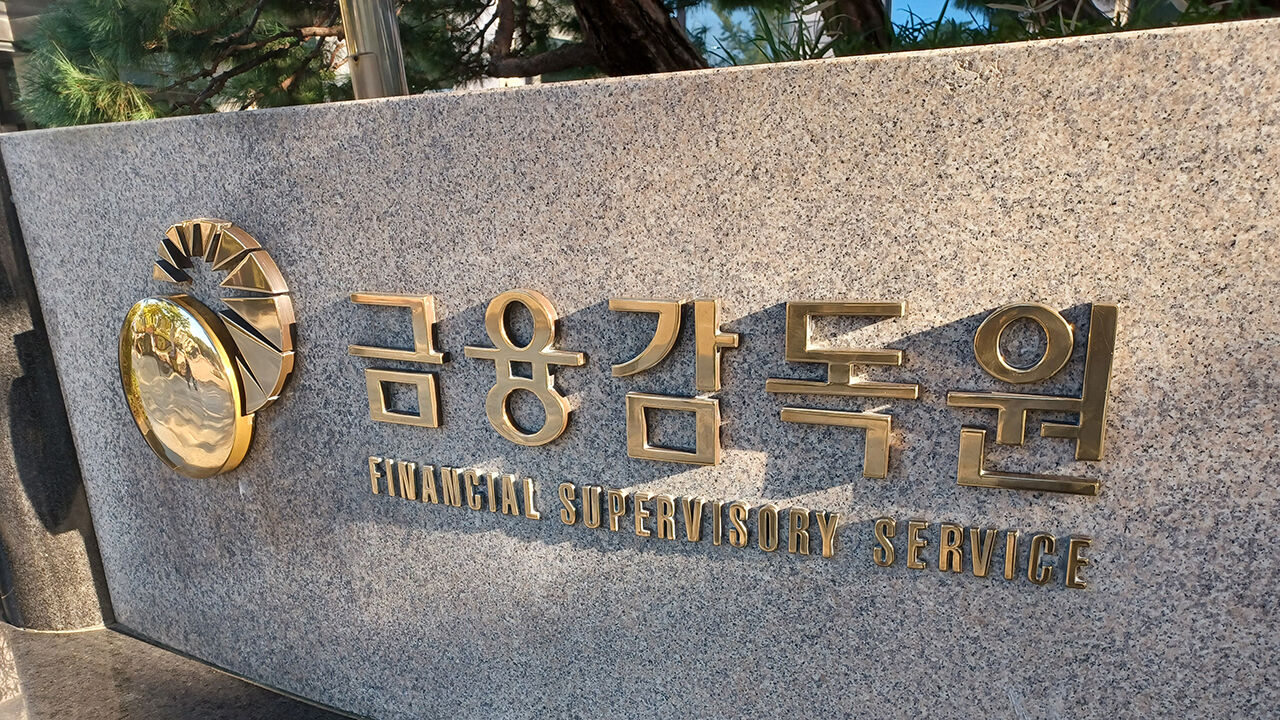
▲ Financial Supervisory Service (FSS)
The Financial Supervisory Service (FSS) issued a consumer alert on July 20 regarding illegal private lending practices where operators colluded with mobile phone rental companies to induce high-interest loans, as well as quasi-deposit taking schemes that swindled investment funds under the guise of eSIM side hustles.
The FSS stated that it had requested investigations into 8 cases of illegal private lending and 15 cases of quasi-deposit taking based on complaints and tips related to the same operators this year. Following these requests, the FSS collaborated with the Gyeonggi Nambu Provincial Police Agency and the Seoul Yeongdeungpo Police Station to confirm the criminal allegations.
The illegal private lenders uncovered in this operation colluded with mobile phone rental companies to induce victims to register as business owners, such as in the delivery service sector.
They exploited the fact that business registration is required to rent multiple mobile phones.
After forcing victims to sign mobile phone rental contracts, they issued high-interest loans exceeding 150% per annum, using the rental contracts as collateral. If the victims failed to repay the loans, the lenders transferred the debt to other companies or engaged in aggressive debt collection through collection agencies.
These fraudulent rental contracts can be used as a means of intimidation or criminal complaints in the event of loan defaults, and carry a high risk of leading to secondary financial damages, such as demands for penalty fees and additional rental payments.
The illegal lenders were sophisticated enough to avoid the application of the Money Lending Business Act by entering into the fraudulent rental contracts verbally, allowing them to claim that they were unrelated to any rental agreements if victims reported them.
The FSS emphasized, "While these may appear to be standard rental contracts on the surface, they are, in substance, high-interest illegal private loans subject to the Money Lending Business Act."
In addition, the FSS warned that quasi-deposit taking schemes, which swindle investment funds by baiting victims with high-profit side hustles such as eSIM trading, are also on the rise.
The fraud rings created fake online platforms and assigned virtual stores to each investor. They recruited investors by promising guaranteed returns if travelers or foreigners purchased eSIM products sold at those stores.
They promoted these schemes as legitimate businesses by posting fake reviews on YouTube and social media, and built trust with investors by actually paying out profits during the initial stages of the business.
However, when victims later attempted to withdraw their earnings, the scammers delayed the withdrawals before shutting down the websites and disappearing.
The FSS advised, "High-yield investments carry a high risk of principal loss. If an entity induces investment by promising both principal protection and high returns, it is highly likely to be a quasi-deposit taking scheme." The agency added, "Illegal private lenders and quasi-deposit operators repeatedly post false information through YouTube, blogs, and internet articles, so extreme caution is required."
(Photo: Yonhap News)
※ Please note: This article was translated by AI and may contain errors.


 Video News
 Video News
 Video News
 Video News
 Video News