
 KOR
KOR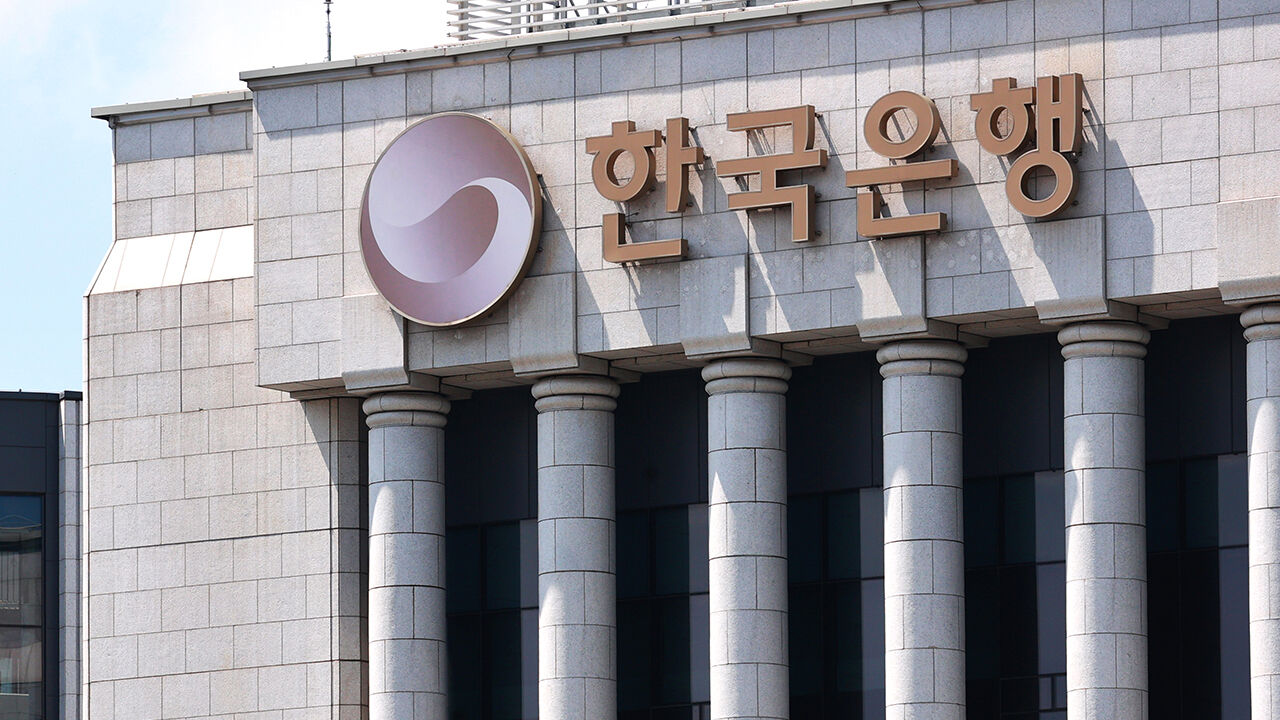
▲ Bank of Korea
An analysis suggests that if loan interest rates rise further following a hike in the base rate, the burden of repaying principal and interest on mortgage loans could increase significantly.
With the Bank of Korea's Monetary Policy Board expected to raise the base rate on July 16, concerns are mounting over the growing burden on so-called "Young-Geul" borrowers, who have exhausted all means to purchase homes.
According to data submitted by the Bank of Korea to Representative Lee Jong-bae of the People Power Party on July 15, a 0.25 percentage point (p) increase in mortgage interest rates would raise the total annual interest burden on all borrowers by 1.8 trillion won.
The average annual interest burden per borrower would jump by 296,000 won, from 5.843 million won to 6.139 million won.
These figures are estimates calculated by the Bank of Korea based on the record-high level of housing-related loans (1,178.6 trillion won) as of the end of the first quarter of this year and the proportion of variable-rate loans.
This includes all individual mortgage loans, jeonse (lump-sum housing lease) deposit loans, and collective loans from deposit banks, non-bank deposit-taking institutions, and other financial institutions.
As of the end of the first quarter of this year, 35.6% of mortgage loans at deposit banks were variable-rate, while 64.4% were fixed-rate.
The prevailing market view is that the Monetary Policy Board's base rate hike will not be a one-time event.
Projections suggest that interest rates could be raised two or more times within this year, and a total of three to four times through next year.
Consequently, the burden of repaying loan principal and interest may continue to rise through next year.
According to the Bank of Korea's estimates, the annual interest increase for mortgage borrowers would snowball to 3.7 trillion won if rates rise by 0.50%p, and 5.5 trillion won if they rise by 0.75%p.
The average annual interest burden per borrower would reach 6.435 million won and 6.731 million won, respectively.
This represents an increase of 592,000 won and 889,000 won compared to current levels.
Vulnerable borrowers may be hit relatively harder by the rise in loan interest rates.
According to the Bank of Korea, as of the end of the first quarter of this year, the average mortgage loan balance per vulnerable borrower—defined as a multiple-debt holder with low income or low credit—was 135.2 million won.
Multiple-debt holders are defined as those with three or more loans from financial institutions and products, and are considered to be in a marginal state where they can effectively no longer borrow from financial institutions.
Representative Lee pointed out that as the economy enters a full-scale period of rising interest rates, it is necessary to closely monitor the potential for a sharp increase in loan delinquency rates and the expansion of risks related to household debt insolvency.
The burden on borrowers who have taken out loans for "Bit-Tu" (investing with borrowed money), which has surged due to recent overheating, is also expected to grow.
This is because interest rates on other loans, including general credit loans, overdraft accounts, and deposit-backed loans, are also likely to rise, just like mortgage rates.
The Bank of Korea estimates that if loan interest rates rise by 0.25%p, the annual interest burden for other loans would increase by 1.5 trillion won, or an average of 76,000 won per borrower.
If interest rates rise by 0.50%p, the interest burden would increase by 3 trillion won, and by 4.5 trillion won if they rise by 0.75%p, with the per-borrower interest increasing by 153,000 won and 229,000 won, respectively.
Representative Lee urged, "The government must assess the interest burden that the public will have to bear during the process of rising interest rates and the risks to household debt, and do its utmost to normalize the real estate market through a major policy shift."
(Photo: Yonhap News)
※ Please note: This article was translated by AI and may contain errors.




 Video News
 Video News