
 KOR
KOR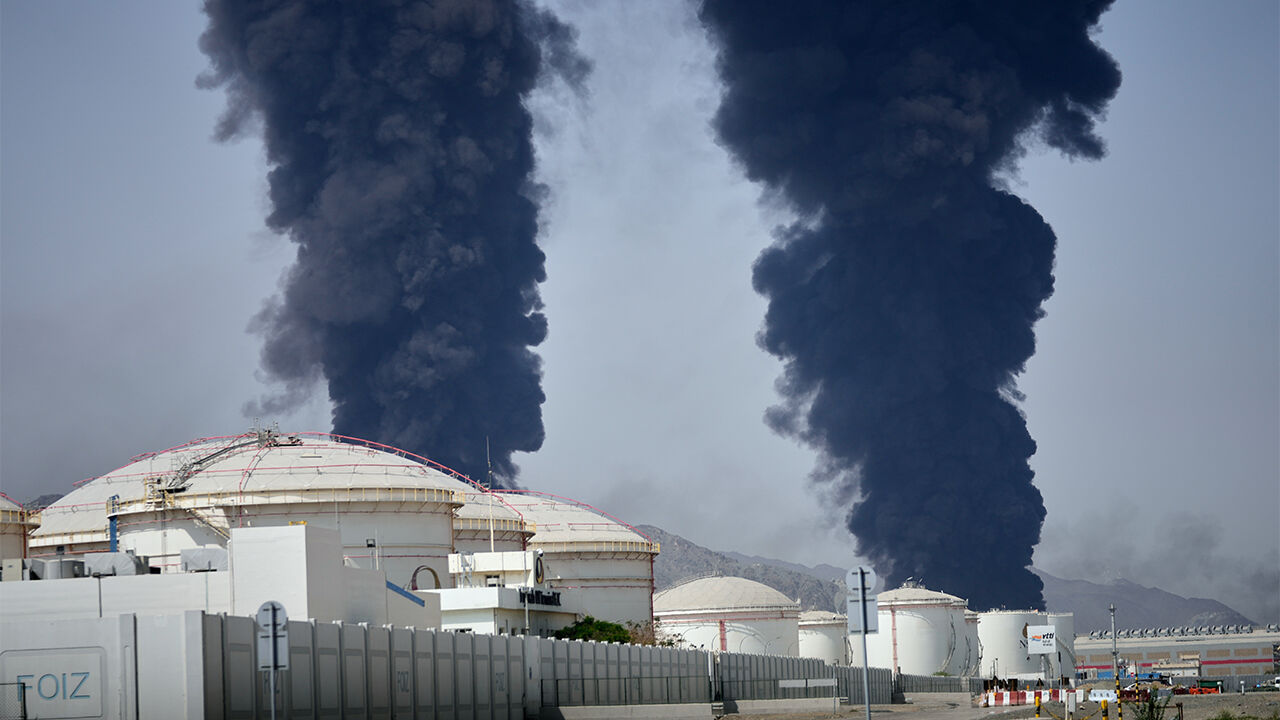
It's Not That They Didn't Spend Money... Where Did It Go?
Experts diagnose the situation as follows. While Arab nations actually need to prepare for "asymmetric threats," they are instead purchasing weapons designed for all-out conventional warfare. Asymmetric threats refer to methods that aim to inflict massive damage at a low cost, such as drones, ballistic missiles, and cyberattacks. Given the geography and international relations of the Arab region, analysts say that the most likely scenario for these countries is not an all-out war between regular armies, but rather this type of conflict. And indeed, this is the case. Since the last Arab-Israeli war in the 1970s, most Arab nations have suffered from localized conflicts.
Even recently, Saudi Arabia and the UAE have been plagued by guerrilla-style attacks from Houthi rebels, and this latest Iranian attack was also a classic asymmetric assault using drones and missiles. Therefore, experts point out that while they should build up naval power and acquire cost-effective weapons like drones to counter such threats, they are instead pouring their budgets into flashy weapons like fighter jets. In fact, looking at the foreign weapons purchased by Saudi Arabia over the past decade, fighter jets accounted for a significant portion.
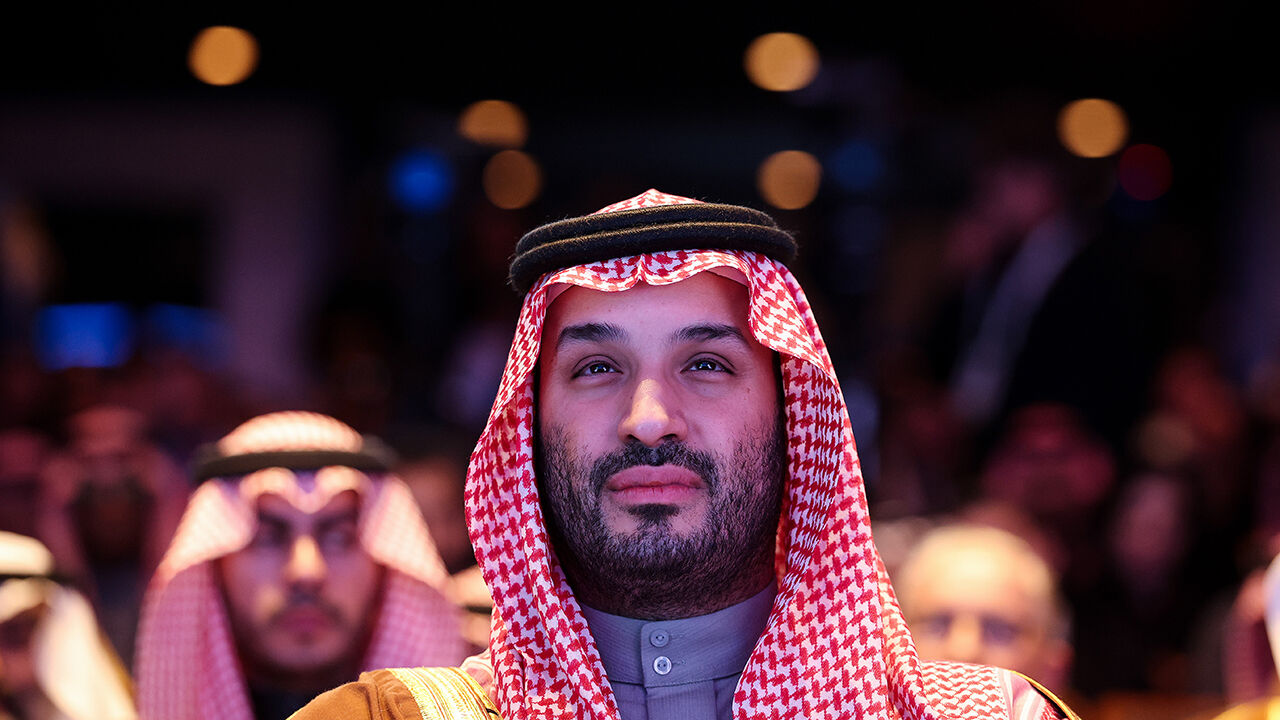
[Bin Salman / Crown Prince of Saudi Arabia (November last year): "We are going to announce that we will increase our investments from $600 billion to nearly $1 trillion, which will create real investments and true opportunities across various sectors."]
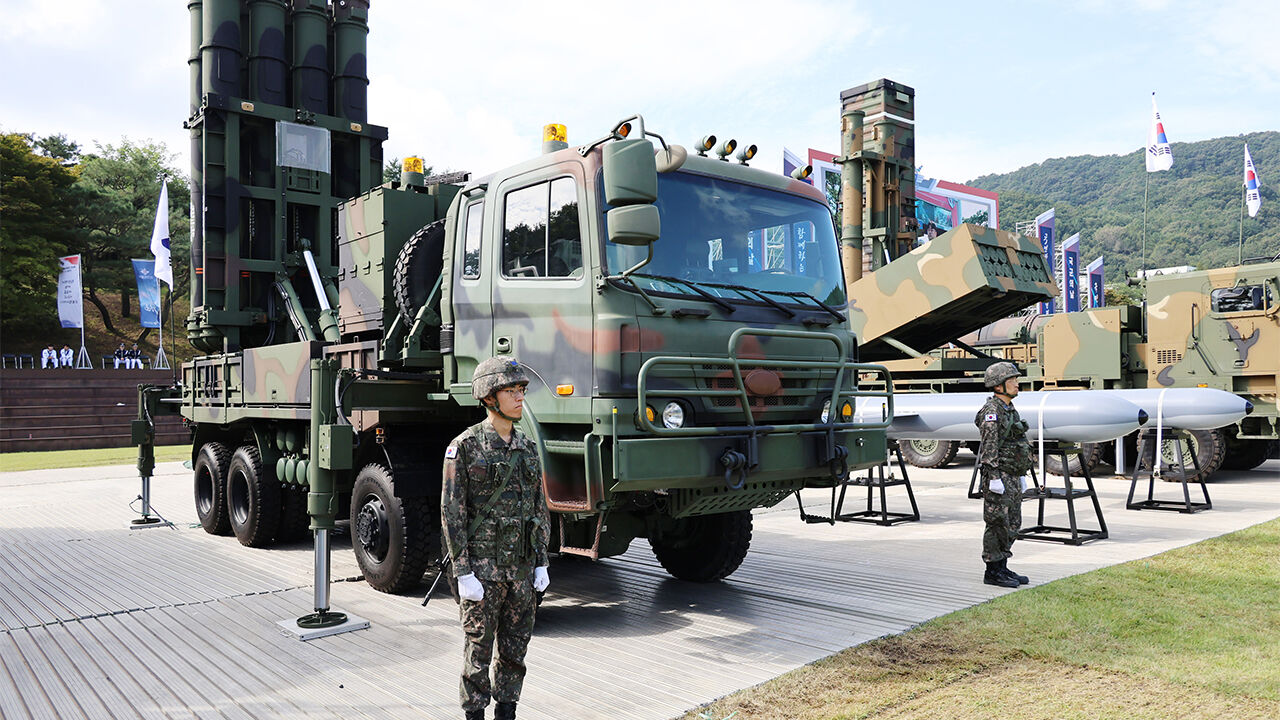
Since 2017, Qatar has spent $25 billion (approximately 34 trillion won) to purchase 96 state-of-the-art fighter jets. As a result, their cost-effectiveness in actual combat is extremely low. During this war, Iran launched more than 2,000 drones at the UAE alone. The problem was that to block these cheap drones, the UAE had to keep firing much more expensive interceptor missiles. It was a highly unprofitable business of defending against cheap attacks with expensive shields. As a result, the UAE is estimated to have depleted about 75% of its Patriot missile stockpile during this war. It was to the point that a large transport plane flew all the way to Daegu, South Korea, to urgently load interceptor missiles for the Cheongung-II. For reference, the Cheongung-II made a strong impression in this war by intercepting 96% of targets at one-third the cost of the U.S. Patriot.
What Is the Real Intention Behind So Many Weapons?
A prime example is Qatar. At the time, Qatar was secretly supporting Islamic militant groups like Hamas to increase its influence in the Middle East. When this became known, it faced pressure such as the severance of diplomatic ties and trade sanctions from neighboring Arab countries. Cornered, Qatar purchased U.S. F-15s, British Eurofighter Typhoons, and French Rafales, effectively sending a signal to the superpowers to "help." This "superpower courtship" has continued until recently. Last year, Qatar even handed over a Boeing 747 jumbo jet worth $400 million (approximately 550 billion won) to be used as President Trump's private jet.
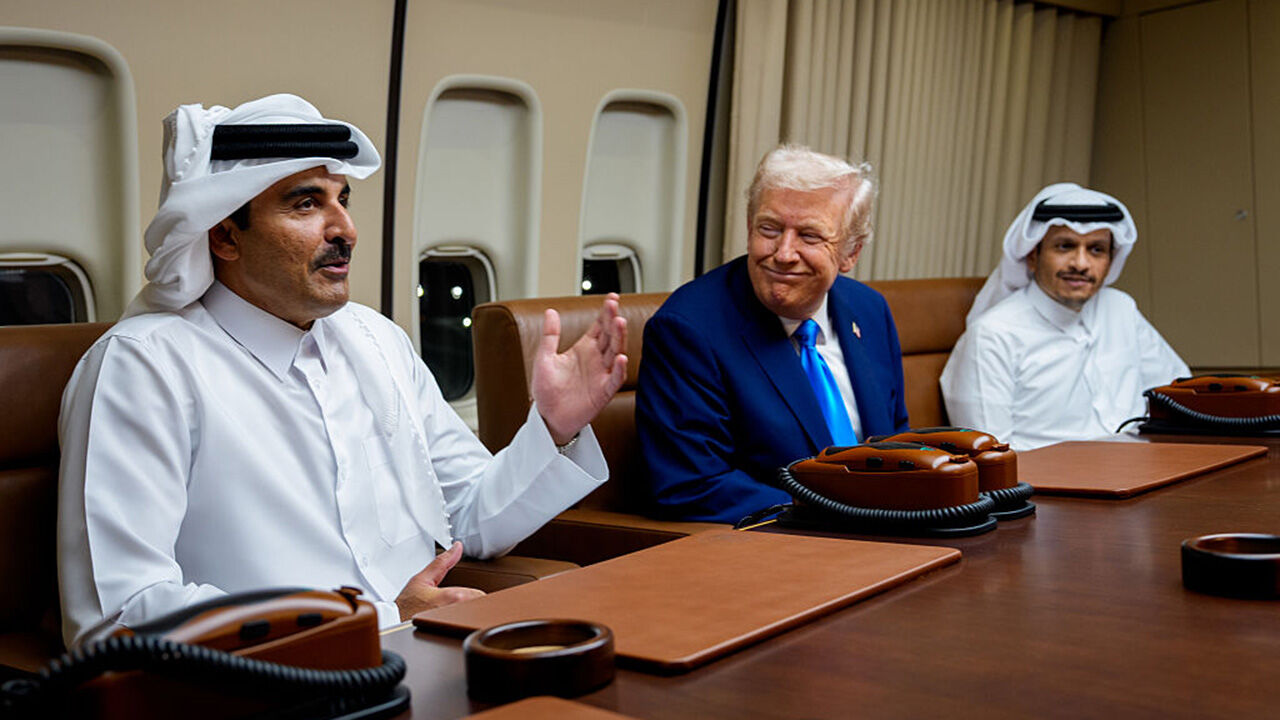
[Donald Trump / U.S. President: "I asked the Emir. I asked if we could use his new 747. I said we'd like to use it for a little bit, because our planes are so old."]
The fact that Middle Eastern countries are buying a lot of South Korean weapons these days is in a similar context. While the U.S. or Europe are diplomatically important, they attach complex political and diplomatic conditions when selling weapons. From the Middle East's perspective, this is burdensome. On the other hand, dealing with South Korea carries less political burden, and there is a calculation that the price-to-performance ratio is much better.
[Shin Jong-woo / Secretary-General of the Korea Defense and Security Forum: "In the case of the U.S. Patriot missile, they fire two rounds per target. Even if only one of them hits, it is considered a success. However, in the case of the Cheongung-II, when the acceptance test was conducted in the UAE last year, it was done under the condition of succeeding with one round per target. Simply put, it's a 100% one-shot, one-kill."]
The very fact of possessing South Korean-made weapons, which are recognized globally, also serves as a deterrent that makes others think twice before provoking them.
Mountains of Weapons, but No Army to Fight?

Consequently, critics point out that no matter how many weapons they have, there is a shortage of "people" actually willing to fight for the country. In the UAE alone, 90% of the population of 11 million are foreigners. Although its military strength is said to consist of 65,000 active-duty personnel and 130,000 reservists, a significant portion is known to be foreign nationals serving as technical and support staff. When a country needs to wage an all-out war united by patriotism, going into battle with a mercenary-centered force is unlikely to yield successful results.
Can the Oil-Rich Nations Change?
(Photo: Yonhap News, Getty Images)
※ Please note: This article was translated by AI and may contain errors.




 Video News
 Video News
